

 中文简体
中文简体 Español
Content
- 1 What Imitation Silk Fabric Actually Is
- 2 How Manufacturers Create a Silk-Like Effect
- 3 Comparing Common Imitation Silk Materials
- 4 How to Tell Imitation Silk from Real Silk
- 5 Best Uses for Imitation Silk in Fashion and Home Textiles
- 6 Caring for Imitation Silk to Maintain Its Appearance
- 7 Evaluating Quality When Sourcing Imitation Silk
- 8 Choosing the Right Imitation Silk for Your Project
What Imitation Silk Fabric Actually Is
Imitation silk fabric refers to any textile engineered to replicate the smooth surface, subtle sheen, and fluid drape of genuine silk without using silkworm-derived fiber. Most imitation silk on the market today is made from polyester, though some varieties use nylon, rayon, or acetate, each achieving the silk-like effect through different manufacturing approaches. These fabrics have become widely popular because they deliver much of silk's visual elegance at a fraction of the cost, while also offering practical advantages like easier washing and better resistance to wrinkling.
The appeal of imitation silk spans a wide range of applications, from evening wear and bridal gowns to bedding, drapery, and lining fabric for jackets and coats. Understanding how these fabrics are made and how they differ from real silk helps buyers set realistic expectations about appearance, feel, and long-term performance before committing to a purchase.
How Manufacturers Create a Silk-Like Effect
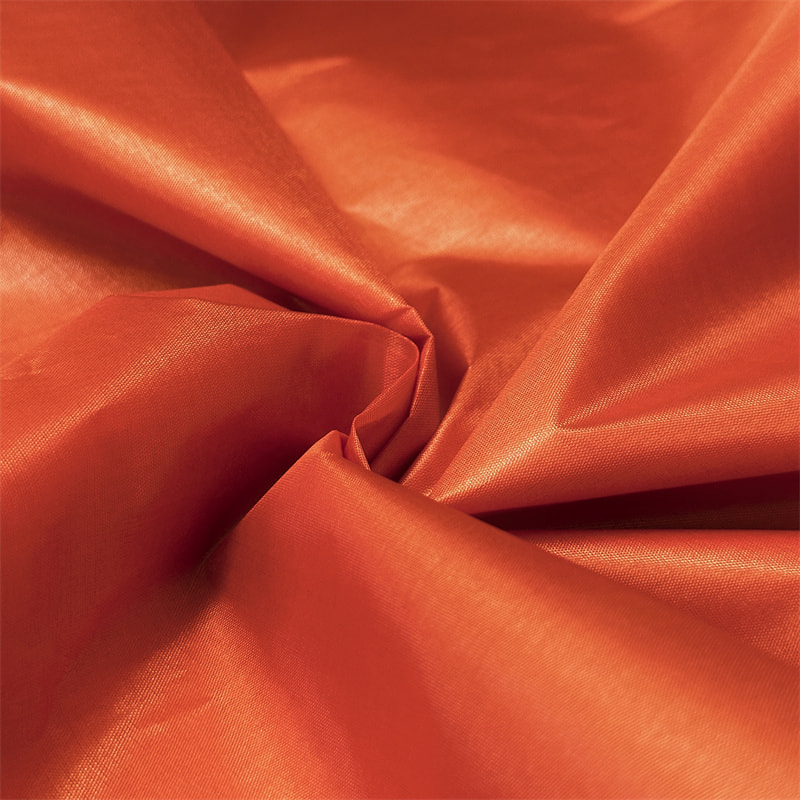
The silk-like sheen and smooth hand feel of imitation silk fabric comes primarily from how the synthetic fibers are extruded and woven rather than any inherent property of the raw material itself. Polyester and nylon fibers used in imitation silk are typically extruded as very fine filaments with a smooth, rounded cross-section, which reflects light in a way that mimics silk's natural luster. The weave structure, often a satin or charmeuse weave with long floating threads across the fabric surface, further enhances this light-reflecting quality, producing the characteristic soft shine associated with silk.
Some manufacturers apply additional finishing treatments, such as a light silicone or wax-based coating, to further soften the fabric's hand feel and enhance its drape, making higher-quality imitation silk increasingly difficult to distinguish from genuine silk through casual visual inspection alone. Lower-quality imitation silk, by contrast, often uses coarser fiber extrusion and simpler weave patterns, resulting in a noticeably stiffer feel and a more artificial, overly glossy sheen compared to premium versions of the fabric.
Comparing Common Imitation Silk Materials
Polyester-based imitation silk, often marketed as silky satin or charmeuse, dominates the market due to its low cost, excellent color retention, and strong wrinkle resistance. It holds dye vibrantly and consistently across large production batches, making it a popular choice for fashion brands producing patterned or brightly colored garments where color consistency across a full production run matters significantly.
Rayon, sometimes called viscose, offers a slightly more natural drape and breathability compared to polyester, since it is derived from processed plant cellulose rather than being a purely petroleum-based synthetic. This gives rayon imitation silk a hand feel that many buyers find closer to genuine silk, though it wrinkles more easily and requires more careful laundering than polyester alternatives. Acetate, another semi-synthetic option, provides good drape and a lustrous finish similar to rayon but is generally more prone to water spotting and requires dry cleaning rather than home washing in most cases.
Material Comparison at a Glance
| Material | Drape Quality | Care Requirements | Typical Cost |
| Polyester | Good | Machine washable, low maintenance | Low |
| Rayon or Viscose | Very Good | Gentle wash or hand wash recommended | Moderate |
| Acetate | Very Good | Dry clean recommended | Moderate to High |
| Nylon | Moderate | Machine washable, quick drying | Low |
How to Tell Imitation Silk from Real Silk
Distinguishing imitation silk from genuine silk becomes important when buyers want to confirm exactly what they are purchasing, particularly for higher-value items like bridal wear or formal evening gowns. One reliable method involves the burn test, performed carefully on a small fabric snippet from a hidden seam allowance. Genuine silk burns slowly, curls away from the flame, self-extinguishes quickly, and produces a smell similar to burning hair, along with a brittle, easily crushed ash. Polyester, by contrast, melts rather than burns cleanly, often shrinking away from the flame and forming a hard bead as it cools, with an odor closer to burning plastic.
A simpler, non-destructive test involves the fabric's reaction to touch and temperature. Genuine silk feels warm against the skin almost immediately due to its natural fiber structure, while imitation silk made from synthetic fibers tends to feel noticeably cooler to the touch initially. Genuine silk also produces a distinctive rustling sound, sometimes called scroop, when rubbed between the fingers, a sound that most synthetic imitation silks do not replicate convincingly.
Quick Identification Checklist
- Check for a fabric content label listing polyester, rayon, or silk percentage
- Feel for warmth against the skin, which suggests genuine silk fiber
- Listen for a rustling scroop sound when the fabric is rubbed together
- Perform a burn test on a hidden fabric edge if identification is critical
- Compare price against typical market rates for genuine silk of similar weight
Best Uses for Imitation Silk in Fashion and Home Textiles
Imitation silk performs particularly well in applications where its practical advantages outweigh the appeal of genuine silk's natural properties. Bridal and formal wear designers frequently choose polyester or acetate imitation silk for linings and underlayers, where the fabric's structure and drape matter more to the finished garment's silhouette than direct skin contact or breathability. Bedding manufacturers also favor imitation silk for pillowcases and sheet sets marketed toward buyers seeking silk's smooth, hair-friendly surface without silk's higher price point and more demanding care requirements.
Drapery and home decor applications benefit significantly from imitation silk's superior fade resistance compared to genuine silk, since curtains and decorative textiles often face prolonged sun exposure that would degrade natural silk fiber far more quickly. Costume design for theater and film also relies heavily on imitation silk, since production budgets and the practical need for frequent cleaning between performances make genuine silk impractical for most costume applications.
Caring for Imitation Silk to Maintain Its Appearance
Proper care significantly extends the life and appearance of imitation silk fabric, though specific requirements vary by material. Polyester imitation silk generally tolerates gentle machine washing in cold water using a mild detergent, followed by air drying or a low-heat tumble dry cycle, since excessive heat can cause the synthetic fibers to lose their characteristic sheen or develop a slightly stiff hand feel over time.
Rayon and acetate imitation silk require more careful handling, since these semi-synthetic fibers can weaken significantly when wet and are more prone to water spotting than fully synthetic polyester. Hand washing in cool water or, for acetate specifically, professional dry cleaning is generally the safer approach to avoid distorting the fabric's drape or damaging its surface finish. Regardless of material, ironing imitation silk should always be done on a low heat setting with a pressing cloth between the iron and fabric surface, since direct high heat can melt or scorch synthetic fibers almost instantly.
General Care Guidelines
- Wash polyester imitation silk in cold water on a gentle cycle
- Hand wash or dry clean rayon and acetate versions to preserve fiber strength
- Iron on low heat with a protective pressing cloth in place
- Avoid direct, prolonged sun exposure to preserve color vibrancy
- Store folded rather than hung to prevent stretching along the fabric's bias
Evaluating Quality When Sourcing Imitation Silk
Not all imitation silk fabric performs equally, and buyers sourcing fabric for garment production or bulk home textile orders should evaluate several factors beyond price alone. Fabric weight, typically measured in grams per square meter, affects both drape quality and durability, with heavier weights generally providing a more substantial, higher-end feel that better resists snagging and thinning over repeated use.
Requesting physical samples before committing to a bulk order allows buyers to assess hand feel, sheen consistency, and colorfastness firsthand rather than relying solely on product photographs, which can misrepresent a fabric's actual texture and light-reflecting qualities. Buyers should also ask suppliers directly about wash and wear testing data, since a fabric that looks impressive as a fresh sample may behave quite differently after repeated laundering cycles in real-world use.
Choosing the Right Imitation Silk for Your Project
Selecting the best imitation silk fabric ultimately depends on matching the material's specific properties to your project's practical demands, whether that means prioritizing wrinkle resistance and easy care for everyday bedding, or seeking the closest possible visual and tactile match to genuine silk for a formal garment. Polyester remains the most practical, budget-friendly, and low-maintenance choice for most applications, while rayon and acetate offer a closer approximation of silk's natural drape for buyers willing to accept more demanding care requirements.
Before finalizing a purchase, request fabric samples, review the specific care instructions for your chosen material, and confirm the fabric weight and weave suit your intended use, since these details ultimately determine whether the finished project delivers the elegant, silk-like result you are aiming for.