

 中文简体
中文简体 Español
Content
- 1 What Makes Chenille Fabric Unique
- 2 Fiber Content and Construction Variations
- 3 Chenille in Home Furnishings and Upholstery
- 4 Chenille in Fashion and Apparel
- 5 Advantages and Benefits of Chenille Fabric
- 6 Potential Drawbacks and Considerations
- 7 Proper Care and Maintenance Techniques
- 8 Selecting Quality Chenille Fabric
- 9 Chenille Fabric in Contemporary Design Trends
What Makes Chenille Fabric Unique
Chenille fabric stands out in the textile world for its distinctive fuzzy texture and luxurious appearance that resembles a soft caterpillar, which is precisely what "chenille" means in French. This unique fabric features short pile fibers arranged around a central core yarn, creating the characteristic plush surface that feels velvety to the touch. The construction method produces fabric with depth and dimension unlike smooth woven materials, making chenille instantly recognizable by both sight and touch. Understanding chenille's unique structure helps explain its particular properties and appropriate applications.
The manufacturing process for chenille yarn involves weaving fabric in a leno or plain weave construction, then cutting it into strips that become individual chenille yarns. These specialty yarns feature pile fibers radiating from the core in all directions, creating the fuzzy caterpillar-like appearance. When woven or knitted into fabric, chenille yarns produce textured surfaces with exceptional softness and visual interest. Modern manufacturing techniques have expanded chenille production to include various fiber contents, weights, and pile densities, creating options suited to diverse applications from delicate fashion fabrics to durable upholstery materials.
Fiber Content and Construction Variations
Chenille fabric comes in numerous fiber compositions, each offering distinct characteristics and performance qualities. Cotton chenille provides natural breathability, softness, and absorbency ideal for blankets, bathrobes, and towels. The natural fiber creates plush texture with excellent moisture-wicking properties suitable for items contacting skin directly. Cotton chenille launders well with proper care, though it may shrink slightly and requires gentle handling to maintain pile integrity. This natural option appeals to consumers prioritizing organic materials and traditional textile qualities.
Polyester chenille dominates the upholstery market due to exceptional durability, stain resistance, and colorfastness. The synthetic fiber withstands heavy use, resists fading from sunlight exposure, and maintains appearance through years of service. Polyester chenille costs less than natural fiber varieties while offering superior practicality for furniture, cushions, and high-traffic applications. The fabric cleans easily and resists common household stains better than cotton chenille. However, polyester lacks natural breathability and may feel warmer than cotton options, making fiber selection depend on specific use requirements.
| Fiber Type | Characteristics | Best Applications | Care Level |
| Cotton | Soft, breathable, absorbent | Blankets, robes, throws | Moderate |
| Polyester | Durable, stain-resistant | Upholstery, cushions | Easy |
| Acrylic | Wool-like, affordable | Sweaters, accessories | Easy |
| Rayon | Silky, drapey, lustrous | Fashion garments | Delicate |
| Blends | Balanced properties | Various applications | Varies |
Acrylic and rayon chenille offer additional options with unique benefits. Acrylic chenille mimics wool's warmth and softness at lower cost, working well for sweaters, scarves, and cold-weather accessories. Rayon chenille provides silky luster and beautiful drape suited to fashion applications and decorative items. Blended chenille fabrics combine multiple fiber types to optimize performance, such as cotton-polyester blends offering natural comfort with synthetic durability. Understanding fiber content helps predict fabric behavior, care requirements, and longevity in specific applications.
Chenille in Home Furnishings and Upholstery
Chenille fabric has become exceptionally popular for upholstery applications due to its luxurious appearance, comfortable texture, and practical durability. The plush surface creates inviting furniture that appeals visually while providing pleasant tactile experience. Chenille upholstery works beautifully for sofas, chairs, ottomans, and headboards where soft texture enhances comfort and aesthetics. The fabric's depth and dimension add visual interest to furniture pieces, with pile direction creating subtle shading effects that change with viewing angle and lighting conditions.
Durability represents crucial consideration for upholstery chenille, as furniture fabrics endure constant friction, pressure, and use. High-quality upholstery chenille features tightly woven construction with dense pile that resists crushing and maintains appearance through heavy use. Manufacturers rate upholstery fabrics using double rub counts indicating abrasion resistance, with quality chenille upholstery achieving 15,000 to 30,000 double rubs or higher. This durability ensures furniture maintains attractive appearance for years despite daily use, making chenille worthwhile investment for quality home furnishings.
- Chenille upholstery creates luxurious, inviting furniture pieces
- The fabric works well for both traditional and contemporary design styles
- Pile direction creates interesting visual effects with light and shadow
- Quality chenille resists pilling, snagging, and pile crushing
- The texture hides minor stains and wear better than smooth fabrics
- Professional cleaning extends chenille upholstery lifespan significantly
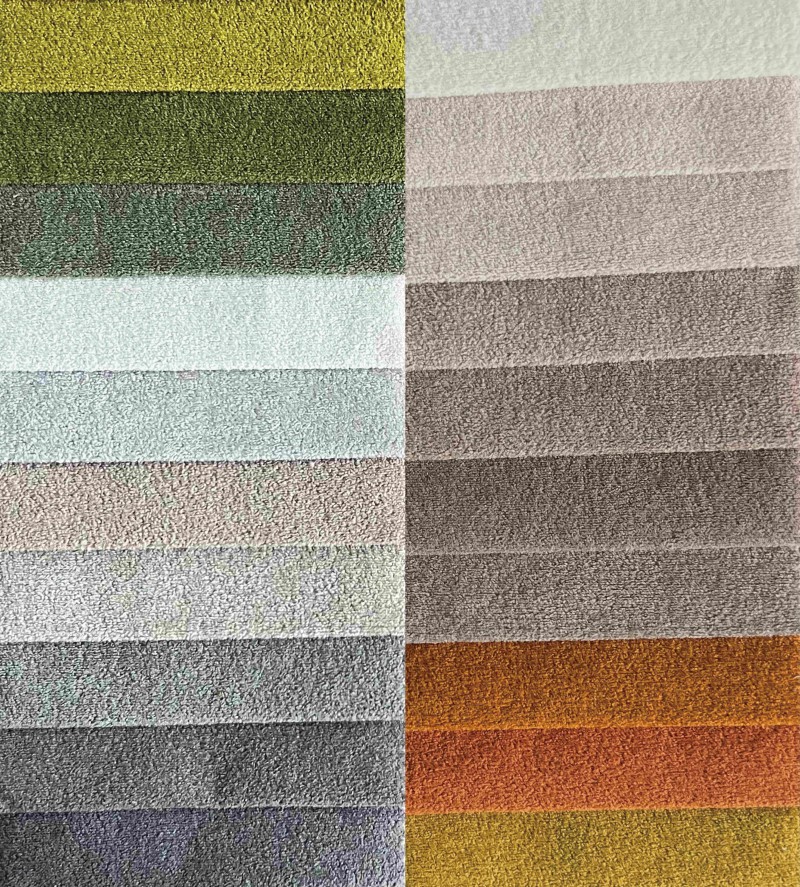
Beyond furniture upholstery, chenille enhances home decor through throw pillows, curtains, bedding, and decorative accessories. Chenille throw blankets provide cozy warmth with luxurious texture perfect for sofas and beds. The fabric's softness makes it ideal for items involving direct contact and relaxation. Chenille curtains add textural interest to windows while providing privacy and light control. When selecting chenille for home furnishings, considering the specific application's wear patterns, cleaning accessibility, and aesthetic goals ensures optimal fabric choice for long-term satisfaction.
Chenille in Fashion and Apparel
Fashion applications of chenille fabric leverage its unique texture to create distinctive, tactile garments and accessories. Chenille sweaters offer exceptional softness and warmth with visual interest from the textured surface. The fabric drapes beautifully when knitted into cardigans, pullovers, and wraps that feel luxurious against skin. Chenille's plush character makes it particularly appealing for cold-weather garments where warmth and comfort matter most. However, the delicate pile structure requires careful wear and handling to prevent snagging and maintain appearance.
Accessories represent ideal applications for fashion chenille, as smaller items experience less wear than full garments while showcasing the fabric's attractive texture. Chenille scarves, hats, and gloves provide cozy warmth with luxurious softness. The fabric works beautifully for evening bags, shawls, and decorative accessories where texture creates visual impact. Fashion chenille typically features finer yarns and more delicate construction than upholstery varieties, prioritizing drape and hand feel over heavy-duty durability. This specialization means fashion chenille requires gentler care and handling than home decor versions.
Working with chenille fabric in garment construction presents unique challenges due to the pile structure and potential for distortion. The fabric requires careful cutting with sharp tools to prevent pile damage and fraying. Seams need special attention to prevent pile catching or showing through finished garments. Using appropriate needles, thread, and sewing techniques prevents snagging during construction. Many sewers prefer hand-stitching delicate chenille items or using specialized presser feet designed for pile fabrics. Understanding these construction considerations helps achieve professional results when creating chenille garments and accessories.
Advantages and Benefits of Chenille Fabric
Chenille fabric offers numerous advantages making it popular across diverse applications. The exceptional softness provides immediate tactile appeal, creating comfortable items people enjoy touching and using. This plush texture elevates ordinary items into luxurious experiences, whether furniture, blankets, or clothing. The unique appearance adds visual interest and dimension that smooth fabrics cannot match, with pile creating depth and shadow effects that change with light and viewing angle. These aesthetic qualities make chenille effective for creating focal points and adding richness to interior design schemes.
Practical benefits include chenille's ability to hide minor imperfections, stains, and wear better than smooth fabrics. The textured surface disguises small flaws that would be obvious on plain weaves, extending perceived lifespan of items. The fabric provides good insulation and warmth retention due to pile structure trapping air, making it excellent for cold-weather applications. Chenille's thickness and body create substantial-feeling items with satisfying weight and presence. These functional advantages combine with aesthetic appeal to create versatile fabric serving both practical and decorative purposes effectively.
The versatility of chenille across fiber contents, weights, and constructions means suitable options exist for nearly any application. From delicate fashion pieces to robust furniture upholstery, chenille adapts to diverse needs while maintaining characteristic softness and texture. The fabric coordinates well with various design styles from traditional to contemporary, working as accent element or primary material. This adaptability makes chenille reliable choice for designers and consumers seeking textural interest with proven performance across multiple contexts.
Potential Drawbacks and Considerations
Despite numerous advantages, chenille fabric presents certain challenges requiring consideration before selection. The pile structure makes chenille susceptible to snagging from sharp objects, pet claws, jewelry, and rough surfaces. Once snagged, pile loops can pull and create visible damage difficult to repair invisibly. Households with pets or young children should carefully consider this vulnerability when selecting chenille upholstery or frequently used items. Choosing tightly constructed chenille with dense pile minimizes snagging risk, though complete prevention remains impossible with pile fabrics.
Pile crushing represents another concern, particularly for chenille experiencing constant pressure or friction. Furniture seats, cushions, and high-traffic areas may show pile flattening over time, creating shiny, worn appearance different from surrounding fabric. Quality chenille with resilient construction recovers better from compression, but all pile fabrics eventually show wear in heavily used areas. Regular rotation of cushions and furniture arrangement helps distribute wear more evenly, extending attractive appearance. Understanding realistic expectations for pile fabric lifespan prevents disappointment and helps guide appropriate application selection.
Cleaning challenges specific to chenille require attention, as the pile structure complicates stain removal and general maintenance. Liquid spills can penetrate deeply into pile, requiring prompt attention to prevent setting. Rubbing stains aggressively may damage pile or create permanent distortion. Professional cleaning often proves necessary for chenille upholstery, adding ongoing maintenance costs. The fabric may also show watermarks or cleaning rings if spot-treated improperly. These care requirements mean chenille suits some applications better than others, with lower-risk placements extending fabric lifespan and appearance.
Proper Care and Maintenance Techniques
Maintaining chenille fabric's beauty and extending its lifespan requires understanding appropriate care techniques for the specific fiber content and construction. Regular vacuuming with upholstery attachment removes surface dust and debris before it settles into pile, preventing embedded dirt that degrades fibers over time. Using gentle suction without beater bar prevents pile damage while effectively cleaning. Prompt attention to spills prevents staining, with blotting rather than rubbing protecting pile structure. Applying clean absorbent cloth to spills draws liquid out without spreading or grinding it deeper into fibers.
Washing chenille items requires careful attention to fiber content and construction. Cotton chenille blankets and throws often tolerate gentle machine washing in cool water with mild detergent, though hand washing proves safest. Avoiding agitation and using delicate cycles prevents pile distortion and excessive wear. Never wring chenille items, as this damages pile structure permanently. Instead, gently press excess water out and lay flat or hang to dry away from direct heat or sunlight. Tumble drying on low heat may work for some cotton chenille, but air drying preserves quality best.
Professional cleaning represents the recommended approach for chenille upholstery and valuable items. Trained technicians understand pile fabric requirements and use appropriate cleaning methods that protect texture while removing soil and stains effectively. Between professional cleanings, maintaining chenille upholstery involves regular vacuuming, immediate spill attention, and avoiding harsh chemicals or excessive moisture. Using furniture protectors and rotating cushions distributes wear evenly. For fashion chenille, following care labels precisely and opting for gentle hand washing or dry cleaning prevents damage while maintaining appearance through years of enjoyment.
Selecting Quality Chenille Fabric
Identifying quality chenille requires examining multiple factors beyond surface appearance. Pile density significantly impacts durability and performance, with tightly packed fibers creating more robust fabric resisting crushing and wear. Examining fabric closely reveals whether pile radiates uniformly from core yarns without bald spots or thin areas. Quality chenille feels substantial with good body rather than thin and flimsy. The backing should be tightly woven without visible gaps, providing stable foundation for pile attachment. Running hands over fabric surface reveals smoothness and evenness, with quality chenille lacking rough patches or irregularities.
Fiber content dramatically affects chenille characteristics and appropriate applications. Natural fiber chenille offers breathability and traditional appeal but requires more careful maintenance. Synthetic chenille provides durability and easy care suited to high-use applications. Blends balance various properties for optimized performance. Reputable manufacturers provide clear fiber content information, care instructions, and performance ratings helping consumers make informed selections. For upholstery applications, checking abrasion resistance ratings ensures fabric withstands intended use level. Higher double rub counts indicate superior durability for furniture and high-traffic items.
Price often reflects quality in chenille fabrics, with premium options justifying higher costs through superior materials, construction, and longevity. However, expensive doesn't automatically mean appropriate for specific needs. Evaluating whether fabric characteristics match intended use prevents overspending on unnecessary features or selecting inadequate quality. Reading reviews, requesting samples, and consulting with knowledgeable retailers helps navigate quality considerations. Investing in appropriate-quality chenille for each application ensures satisfaction and value, whether choosing budget-friendly options for temporary use or premium fabrics for long-term enjoyment.
Chenille Fabric in Contemporary Design Trends
Contemporary interior design embraces chenille fabric for adding warmth and texture to modern spaces that might otherwise feel cold or minimalist. The fabric's soft, inviting character creates balance in rooms featuring hard surfaces like concrete, metal, and glass. Designers incorporate chenille through accent pieces that provide tactile contrast without overwhelming clean-lined aesthetics. Neutral-toned chenille works particularly well in contemporary settings, offering subtle luxury through texture rather than pattern or bold color. This approach demonstrates chenille's versatility across design styles beyond traditional applications.
Color trends in chenille reflect broader design movements toward both bold statements and soothing neutrals. Rich jewel tones in chenille create dramatic focal points in otherwise neutral rooms, while soft pastels and earth tones provide calming, organic feel. Texture-on-texture layering combines chenille with other plush materials like velvet and faux fur for maximum coziness. This hygge-inspired approach prioritizes comfort and warmth, positioning chenille as essential element in creating inviting, relaxing spaces. The fabric's inherent coziness aligns perfectly with contemporary emphasis on home as sanctuary and refuge.
Sustainable design considerations increasingly influence chenille selection, with eco-conscious consumers seeking organic cotton chenille, recycled polyester options, or sustainably produced rayon varieties. Manufacturers respond to this demand by offering environmentally responsible chenille options with certifications verifying sustainable practices. The durability of quality chenille aligns with sustainability principles by creating long-lasting items reducing consumption and waste. As design trends continue emphasizing both aesthetic appeal and environmental responsibility, chenille fabric adapts to meet evolving consumer values while maintaining the luxurious texture and appearance that made it popular originally.