

 中文简体
 Español
Content
- 1 What Actually Makes Egyptian Cotton Fabric Different
- 2 Reading Egyptian Cotton Grades and Labels
- 3 Weaves and Finishes That Change the Hand
- 4 A Practical Sourcing Checklist
- 5 Where Egyptian Cotton Fits, and Where Another Fabric Serves Better
- 6 Caring for Egyptian Cotton Fabric So It Lasts
- 7 Questions Buyers Ask Us Most
Egyptian cotton fabric has a reputation that travels ahead of it. Buyers ask for it by name, often before they have decided what the fabric needs to do. In our day-to-day work weaving polyester linen, jacquard and satin in Tongxiang, we meet this question constantly: what exactly makes Egyptian cotton different, and how do you know you are getting it? This guide walks through the fibre itself, the labels you will see on spec sheets, the weaves that change how it feels, and the moments when another fabric serves the brief better.
What Actually Makes Egyptian Cotton Fabric Different
Egyptian cotton is not a brand. It is a description of where a particular species of cotton grows. The plant is Gossypium barbadense, the same species behind other extra-long staple cottons, and it thrives in the warm, humid conditions of the Nile Delta. The fibre it produces is long, fine and strong, which is why the yarns spun from it behave so differently from standard upland cotton.
Two things follow from that fibre length. First, spinners can draw it into finer yarns, so a high thread count can be reached with slender single yarns rather than thick plied ones. Second, because longer fibres overlap more and leave fewer loose ends in the finished yarn, the surface stays smoother and pills far less over time. Hand feel, lustre and durability all trace back to that single characteristic.
Extra-long staple, in practical terms
Staple length is the average length of an individual cotton fibre. Extra-long staple (ELS) cotton generally measures above roughly 35 mm, while ordinary cotton sits nearer 25 mm. In a woven fabric, that difference shows up as softness that survives washing, a cooler hand against the skin, and better colour depth after dyeing because the fibre absorbs and holds dye evenly.
What the name does not guarantee
Origin alone is not a quality grade. Fields differ, seasons differ, ginning and combing differ, and the Egyptian cotton name has been applied loosely in some markets over the years. A fabric can truthfully be called Egyptian cotton and still be an ordinary mid-range cloth. That is why experienced buyers treat the name as a starting point and the specification sheet as the real evidence.
Reading Egyptian Cotton Grades and Labels
Most confusion in sourcing comes from mixing up four separate pieces of information: where the cotton grew, which variety it is, how the yarn was prepared, and how the cloth was woven. A label often mentions only one of them. The table below sets out what common phrases usually signal and what is worth confirming in writing before you place an order.
| Label you may see | What it usually signals | What to verify |
|---|---|---|
| 100% Egyptian cotton | All cotton content declared as Egyptian origin | Fibre content percentage, licence mark, mill test report |
| Egyptian cotton blend | Mixed with other cotton or synthetic fibres | Exact ratio and how the blend affects hand and price |
| Giza 86, Giza 92, Giza 96 | A named extra-long staple variety | Variety printed on the spec sheet, staple length in mm |
| Combed Egyptian cotton | Short fibres combed out before spinning | Combed or carded, plus yarn count such as 60s or 80s |
| Long-staple cotton | A length category, not a country of origin | Species, variety and measured staple length |
| Sateen, 400 thread count | A weave and a count figure | Whether yarns are single-ply and how the count was calculated |
Weaves and Finishes That Change the Hand
The same Egyptian cotton yarn can feel crisp, fluid or softly lustrous depending on the loom setting. Percale, a simple one-over-one weave, gives a matte, cool and slightly crisp surface that many people associate with hotel bedding. Sateen shifts the balance by floating the warp or weft across several picks, producing a smoother face with a gentle sheen and a heavier drape. Poplin and voile sit elsewhere again, one denser and flatter, the other light and airy.
Finishing matters just as much. Mercerising improves lustre and dye uptake, sanforising controls shrinkage, and a light calendering smooths the surface. Ask which finishes were applied, because two fabrics with identical yarn specs can arrive with noticeably different handle and residual shrinkage.
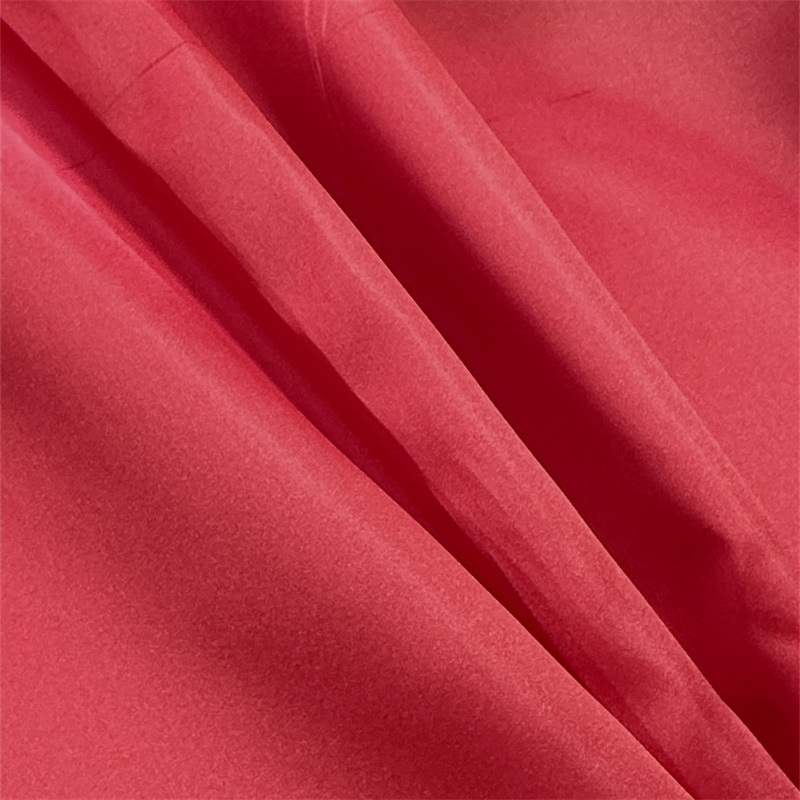 Satin Fabric Range by Fiber TypeCompare silk, polyester and nylon satin constructions for their smooth, high-gloss face when weighing sateen-style sheen against cotton-look fabrics.View Product →
If a sateen-style sheen is what your range needs, it is worth comparing constructions side by side rather than relying on a description alone. Our satin fabric range sits alongside our cotton-look qualities for exactly this kind of comparison.
A Practical Sourcing Checklist
Whether you are buying Egyptian cotton or an alternative, the same questions separate a smooth order from a costly surprise. We suggest putting these in writing before sampling:
- Fibre content as a percentage, with variety named if a premium cotton is claimed.
- Yarn count and whether yarns are single or plied.
- Weight in gsm, plus width in centimetres after finishing.
- Weave construction and any special finish such as mercerising or sanforising.
- Shrinkage and colourfastness results from a test report, not a verbal assurance.
- Any certification the buyer's market requires, and who holds it.
- Minimum order quantity, sampling lead time and bulk lead time.
Two swatches washed three times will tell you more about pilling and shrinkage than any brochure. Always wash before you commit.
Where Egyptian Cotton Fits, and Where Another Fabric Serves Better
Egyptian cotton earns its place in products where softness and longevity are the selling point: premium bedding, fine shirting, babywear, towels and high-end loungewear. It also brings constraints. Raw material prices move with the harvest, good lots are limited, and the fabric asks more of the end consumer in care.
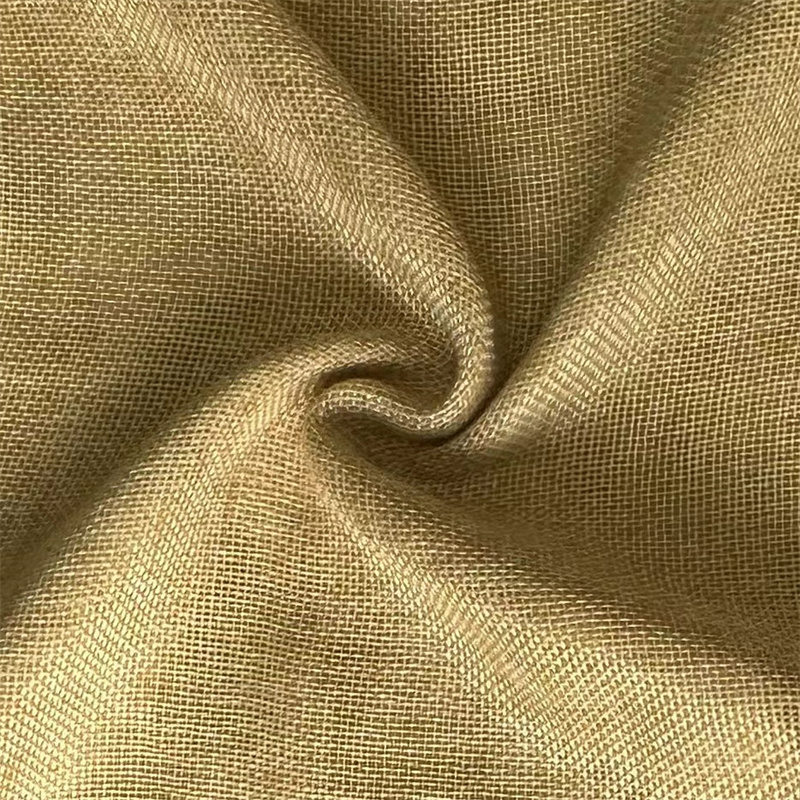
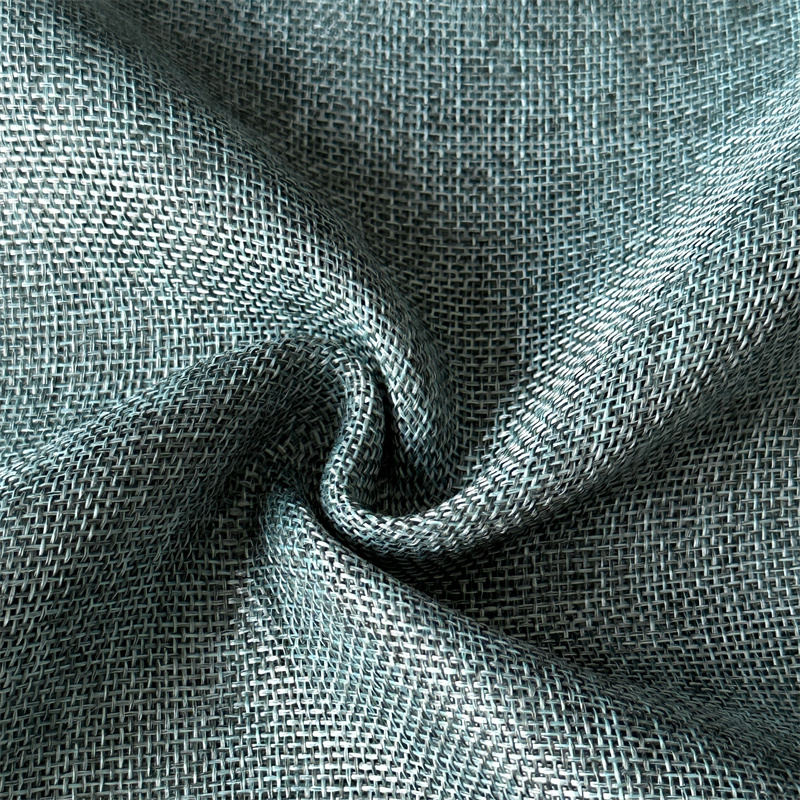
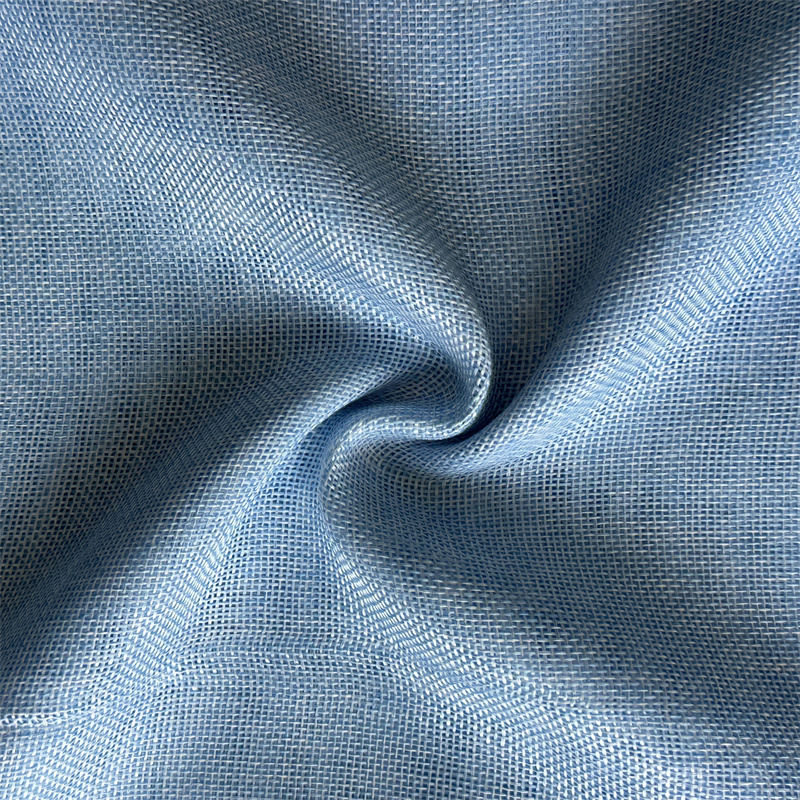
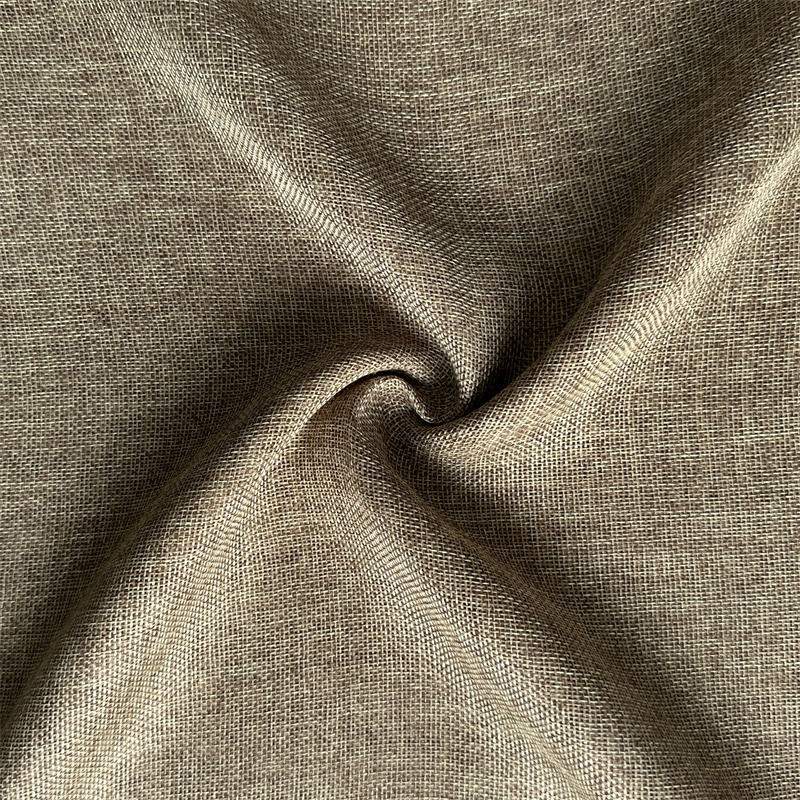
For many briefs, a well-chosen alternative delivers the look at a steadier cost. Polyester linen gives the slubby, textured appearance of natural linen with easier crease recovery and quicker drying, which suits upholstery, curtains, casualwear and table linen. If you are weighing that option, our note on the benefits of polyester linen in clothing and home decor covers the practical trade-offs.
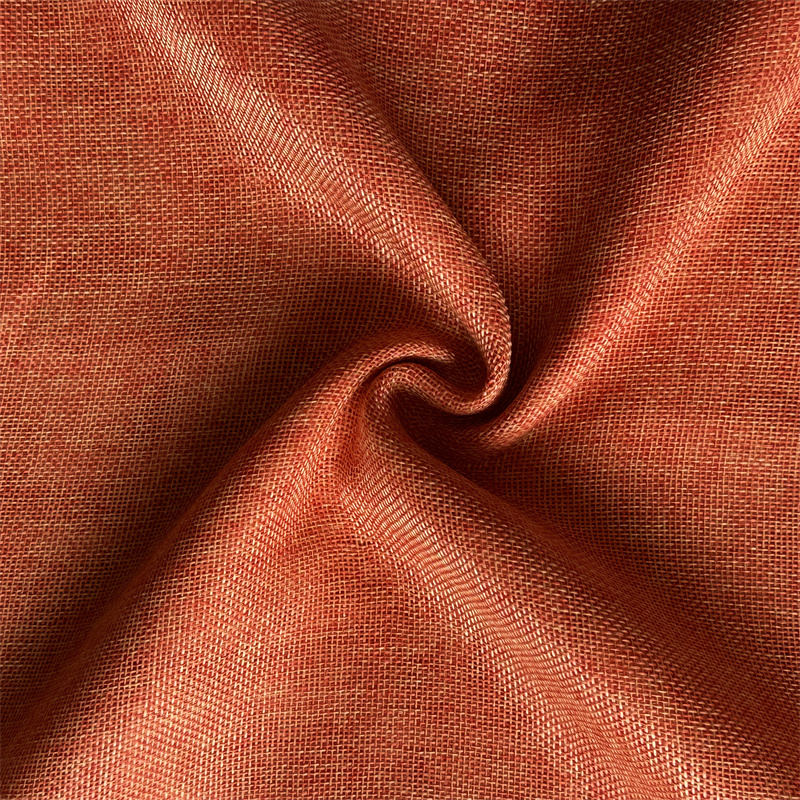 Polyester Faux-Linen Fabrics and PlaidsReview solid and plaid polyester faux-linen options that imitate natural linen texture for upholstery, curtains, outdoor covers and casualwear.View Product →
Texture is another route away from a plain cotton surface. Jacquard constructions build pattern into the cloth itself rather than printing it on top, so the design survives repeated washing and gains depth under raking light. We weave both allover and positioned jacquard, which gives designers a choice between an even repeating figure and a single motif placed deliberately on the panel.
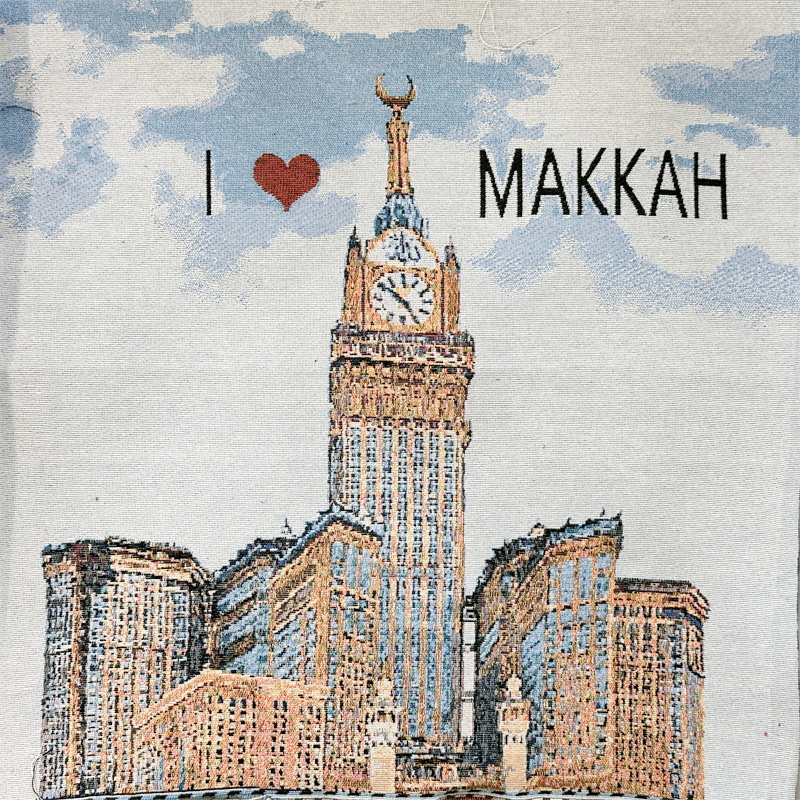 Jacquard Fabric Range for Décor and FashionCompare allover and positioned jacquard constructions, including a 330gsm blend, for patterned tablecloths, curtains, upholstery and garments.View Product →
Caring for Egyptian Cotton Fabric So It Lasts
Long-staple cotton is forgiving, but a few habits protect the hand and the colour:
- Wash at a moderate temperature with a mild liquid detergent rather than a harsh powder.
- Skip chlorine bleach, which weakens cellulose fibres and dulls dyed shades.
- Tumble dry on low and remove while slightly damp to reduce creasing.
- Iron while still damp, or use the steam setting, to avoid pressing creases into the weave.
- Wash new dark shades separately for the first two cycles.
Questions Buyers Ask Us Most
Is Egyptian cotton fabric always more expensive?
Usually, yes, because the raw fibre is scarce and the harvesting and combing are more careful. Cost also depends on yarn count, weave and finish, so a simple percale can land closer to mid-market than a dense sateen.
Can I tell the difference by touch alone?
Experienced hands can sense the smoothness and weight, but touch cannot confirm origin. Ask for documentation, and compare washed swatches rather than loom-state samples.
How do we work with mills on custom qualities?
Our factory in Tongxiang has run since 2016 with over 200 looms, more than 10,000 square metres of production space and a daily output above 60,000 metres. We hold over 100 fabric qualities in stock at 2,000 metres each and take on customised specifications, so a buyer can test a small idea before scaling it.
Egyptian cotton fabric rewards buyers who look past the label and into the specification. Understand the fibre, read the yarn and weave details, and compare alternatives honestly against the job the cloth has to do. That approach rarely leads to regret, and it is the one we use ourselves whenever a customer asks us to match a hand-feel they have in mind.