

 中文简体
 Español
Content
Most of us use "fabric" and "cloth" without thinking twice. You might ask for a cloth to wipe a spill, then talk about a fabric shop, and never notice the switch. In everyday conversation, the two words overlap so much that correcting someone can feel pedantic. Yet when you move into textile production, sourcing, or product development, the difference starts to matter in small but useful ways.
What Do Fabric and Cloth Actually Mean?
Cloth is the older, more concrete word. Dictionaries usually describe it as a pliable material made by weaving, knitting, felting, or otherwise bonding fibers together. It often suggests a piece of material that is ready to be cut, sewn, or used: a cloth on a table, a cloth for cleaning, a length of cloth for a garment.
Fabric is a slightly broader and more abstract term. It refers to a material that resembles cloth, and it covers woven, knitted, and nonwoven structures. In retail and manufacturing, "fabric" is the standard word for the material itself, especially when you are describing its construction, hand feel, weight, or performance. A fabric can be a finished good, a sample, or a specification on a purchase order. A cloth is usually something you can pick up, fold, and cut.
The overlap is real. A piece of cotton can be called fabric or cloth without changing what it is. The distinction is mostly about emphasis: cloth leans toward the physical piece, while fabric leans toward the material as a category or product.
Fabric vs Cloth vs Textile: The Wider Vocabulary
To keep the three words straight, it helps to place them on a ladder. Textile is the widest term. It covers fibers, yarns, fabrics, and even finished textile products. Cloth usually sits closer to the everyday end: a piece of material, often woven or knitted, that you can handle and cut. Fabric sits in the middle and is broad enough to include industrial, decorative, and apparel materials.
| Term | Core meaning | Typical scope | Where you hear it |
|---|---|---|---|
| Cloth | A pliable material made from fibers, often woven or knitted | A piece or length of material | Everyday use, cutting rooms, cleaning, garment making |
| Fabric | A material resembling cloth, including woven, knitted, and nonwoven structures | A material category or product | Retail, sourcing, product development, care labels |
| Textile | The broad field of fibers, yarns, fabrics, and finished goods | The whole industry and supply chain | Industry, education, trade, manufacturing |
The table is not a set of legal definitions. It is a practical map. In a fabric store, "textile" may sound more formal than the situation needs. In a mill, "cloth" may sound more concrete than a buyer expects. The right word depends on whether you are talking about the industry, the material, or the piece in your hand.
Where the Difference Shows Up in Real Life
On a shop floor, a salesperson may ask whether you want a fabric for upholstery or a cloth for garment sampling. Both are understandable, but "fabric" points to the material's role and performance, while "cloth" points to a manageable piece of it. A cotton T-shirt is made from a knitted fabric; the cloth you cut to make it is the same material at a different stage. Denim jeans use a woven fabric, and a tailor may still call the length of denim in the workroom a piece of cloth.
The words are not rivals. They are different lenses. If you are discussing a fiber content, a weave, a finish, or a test result, fabric is usually the more natural choice. If you are talking about handling, cutting, wiping, or wrapping, cloth often fits better. In a customer email, either word will be understood, but the surrounding words should carry the precision.
How the Terms Are Used in Sourcing and Production
Inside a textile company, "fabric" tends to be the working noun. Product lists are organized by fabric type, such as polyester linen, jacquard, satin, chenille, or corduroy, because buyers need to know the construction and performance before they specify a color or finish. "Cloth" appears more often in phrases like grey cloth, finished cloth, or cloth inspection, where the emphasis is on a physical length of material moving through the mill. If you are sourcing a faux linen for a collection, the useful question is not "fabric or cloth?" but "which fabric, at what weight, with what hand, and for what end use?"
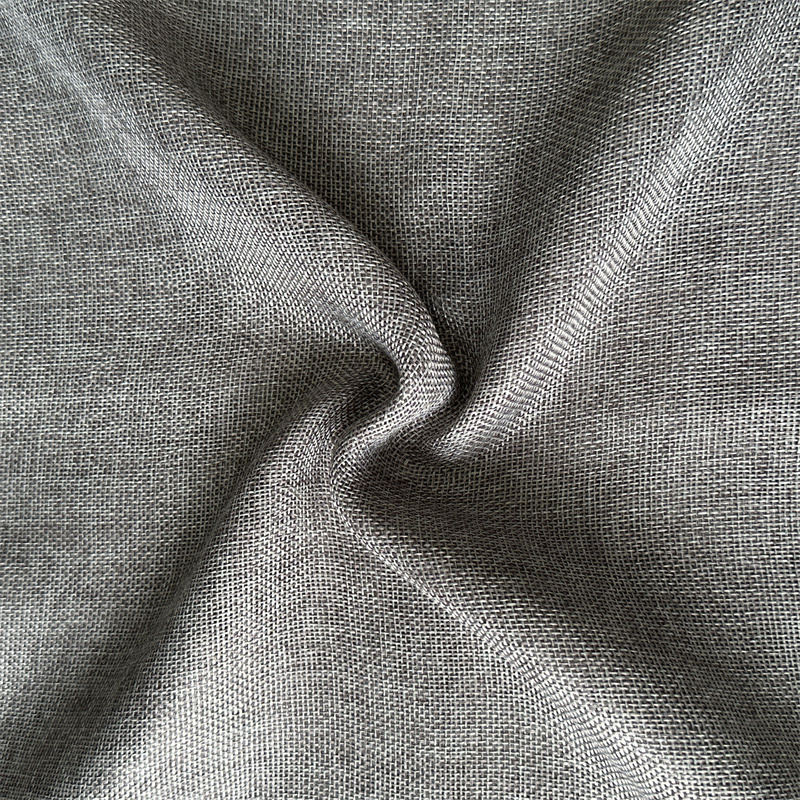
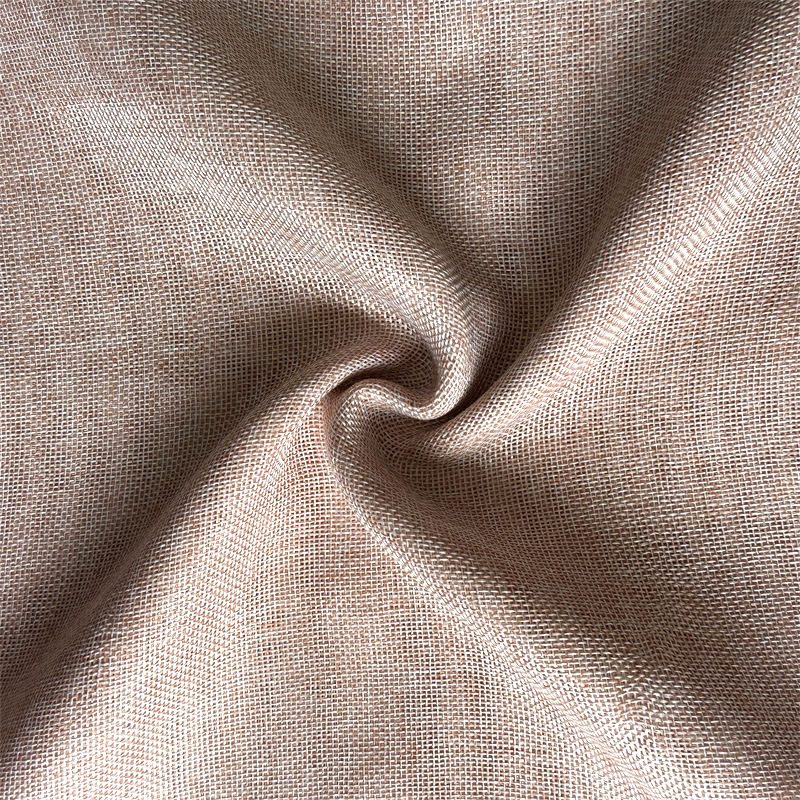
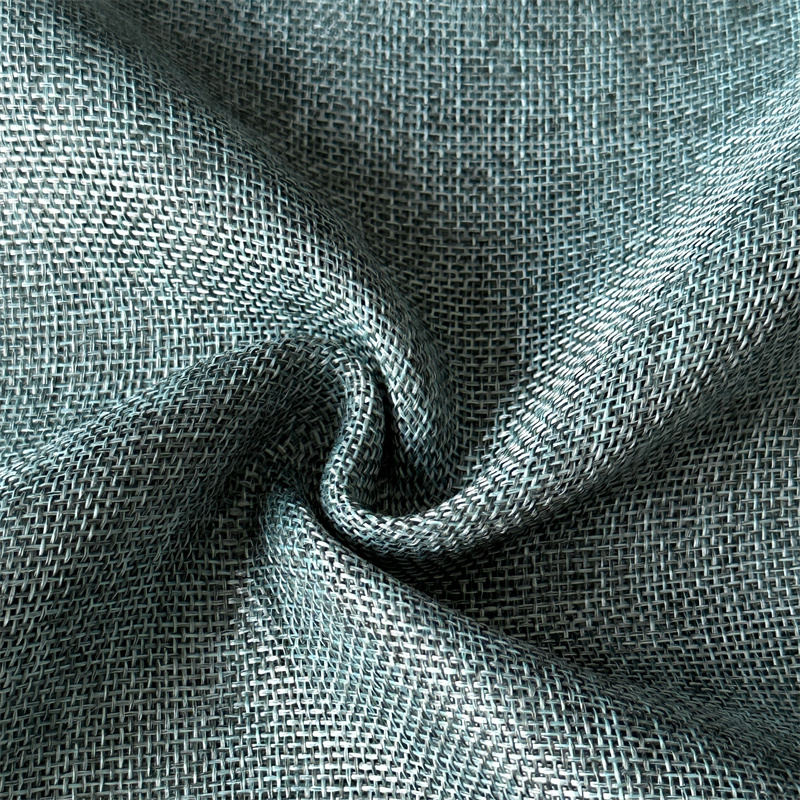
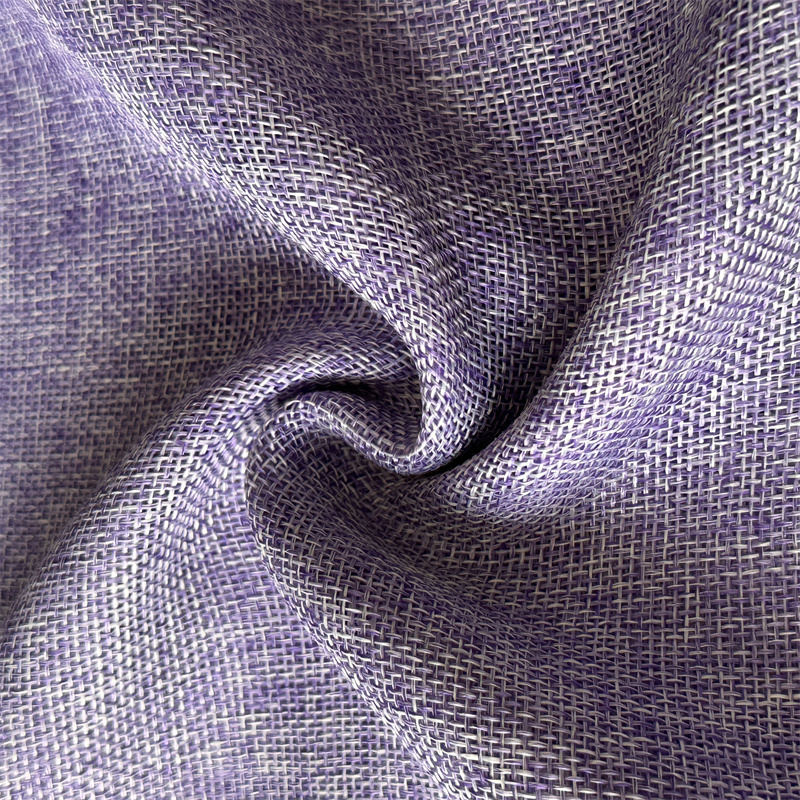
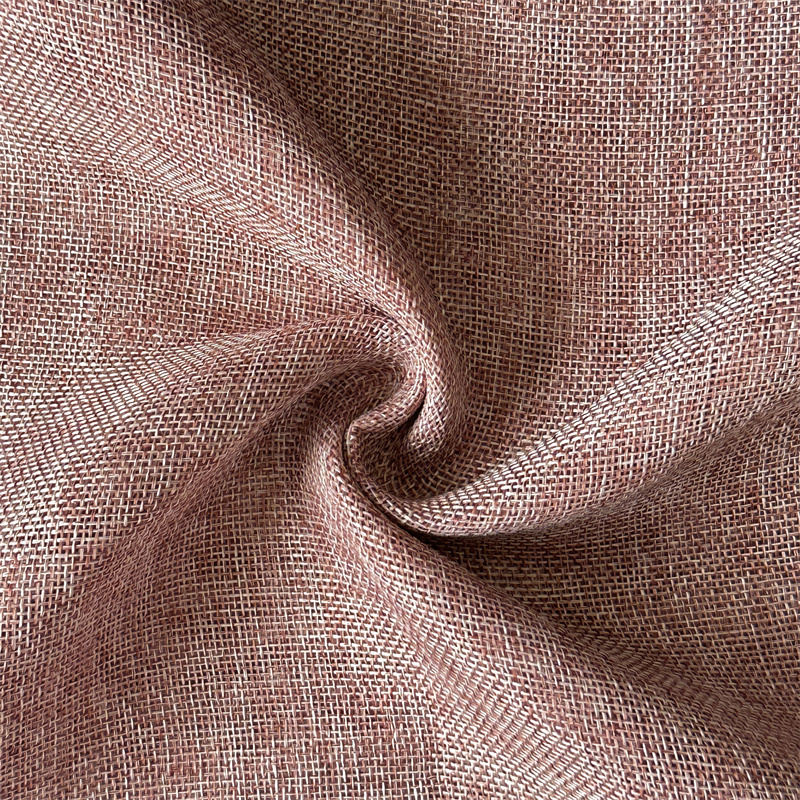
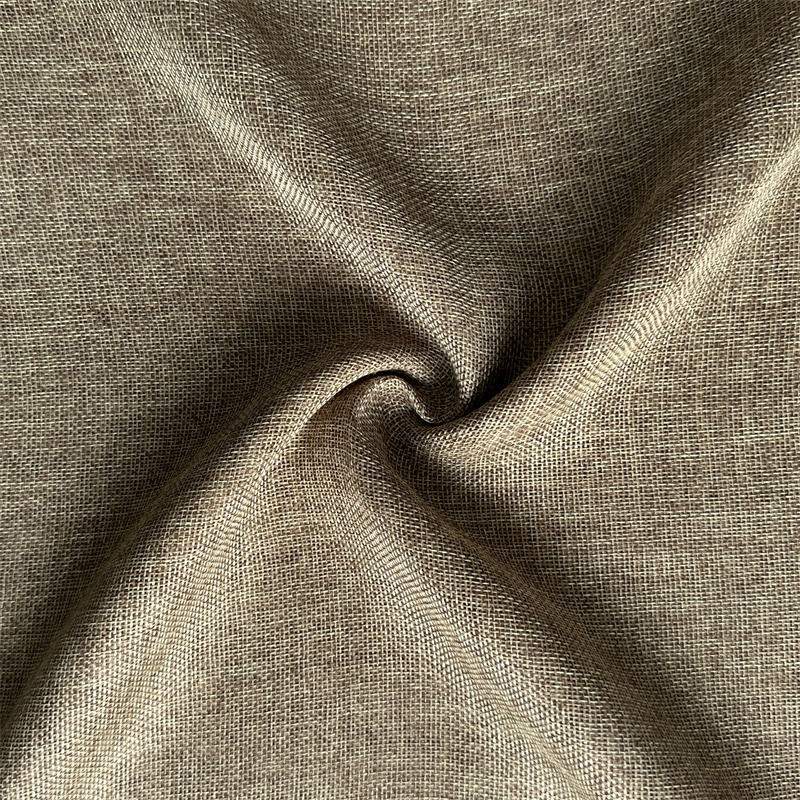
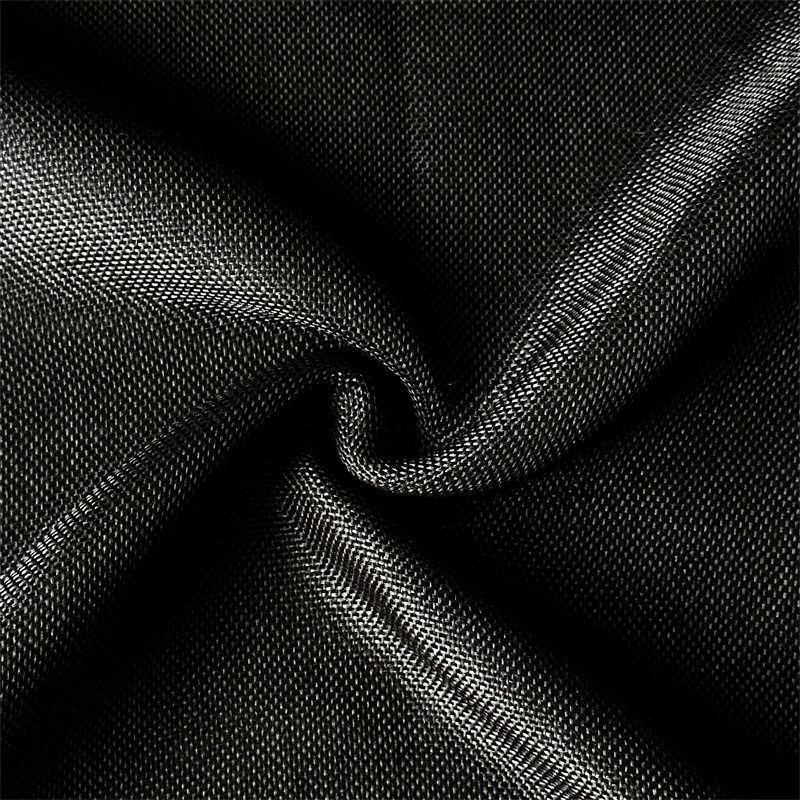
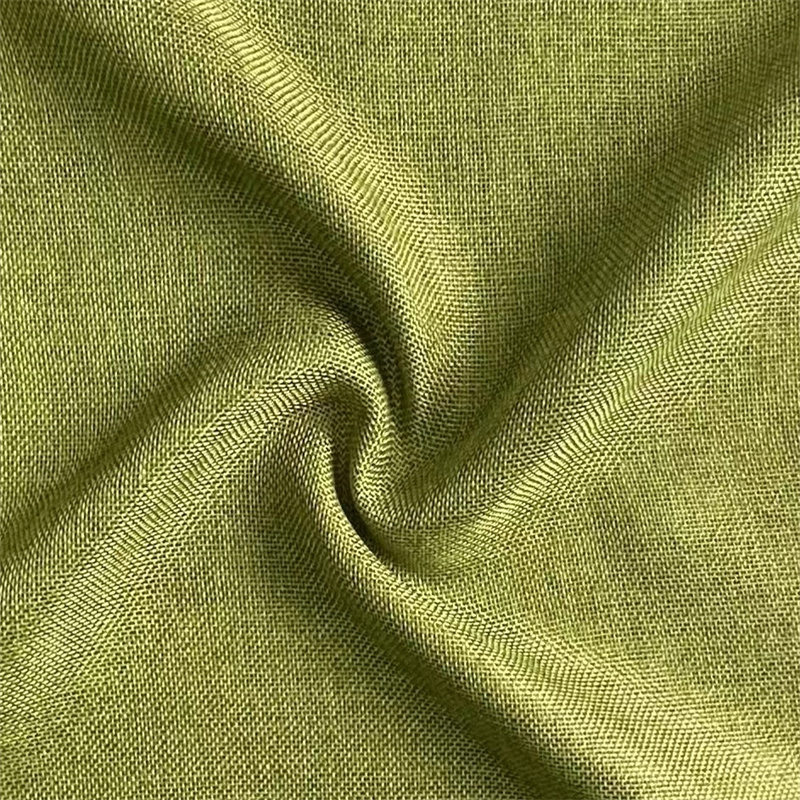
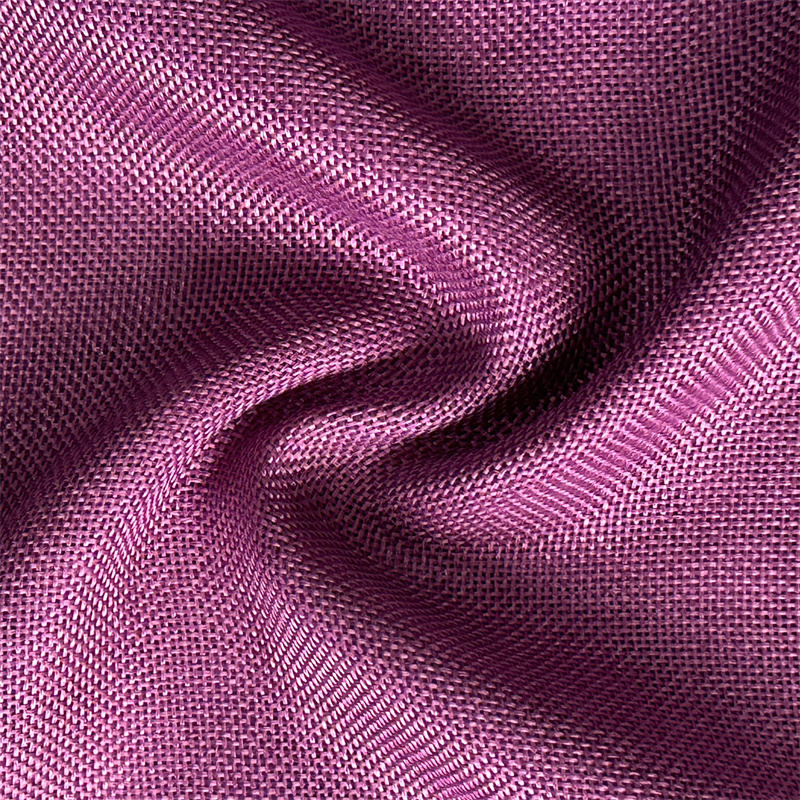
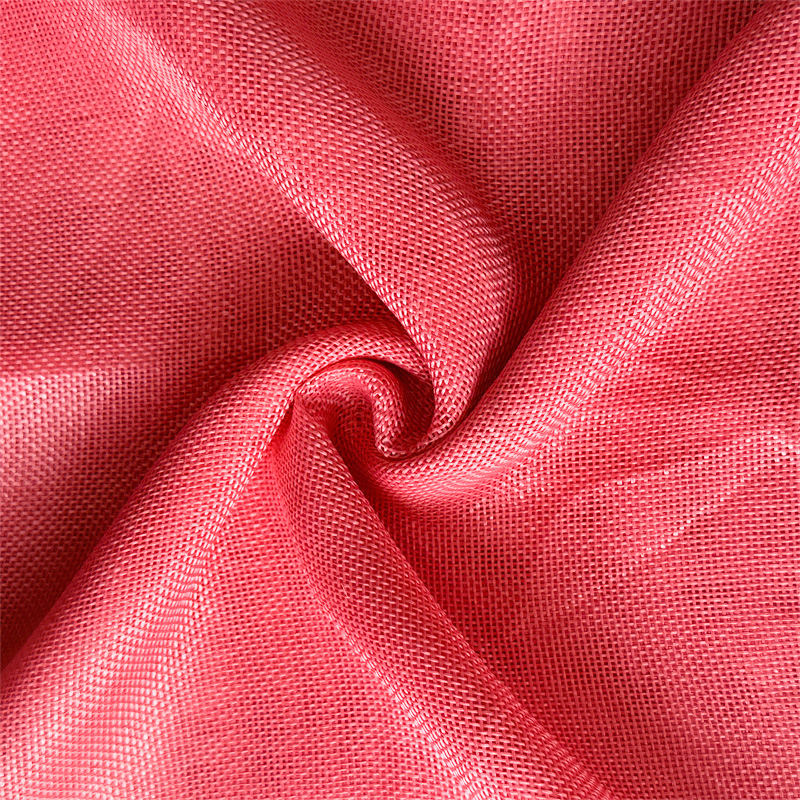
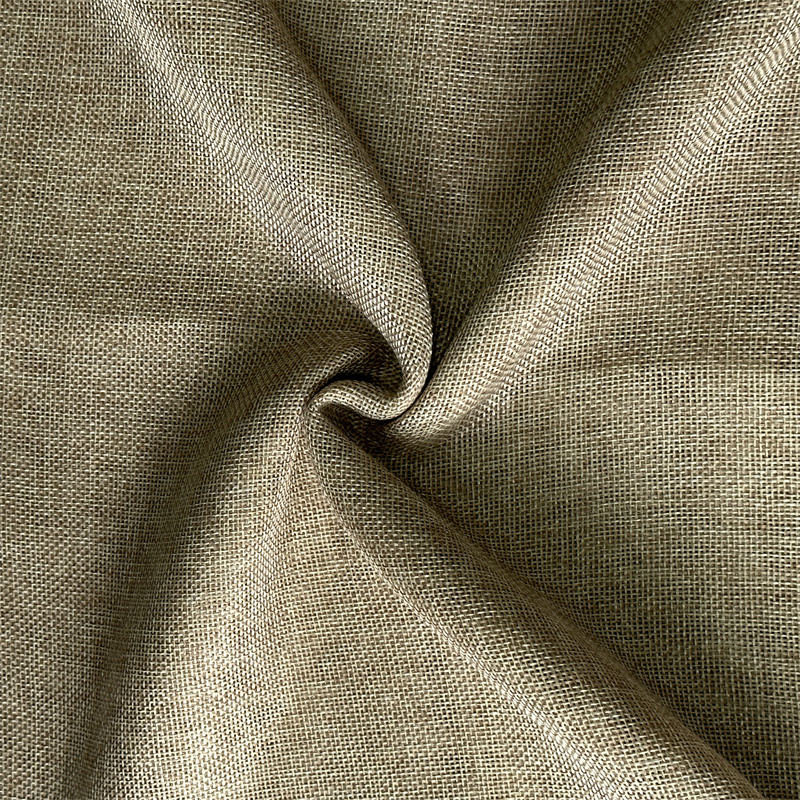
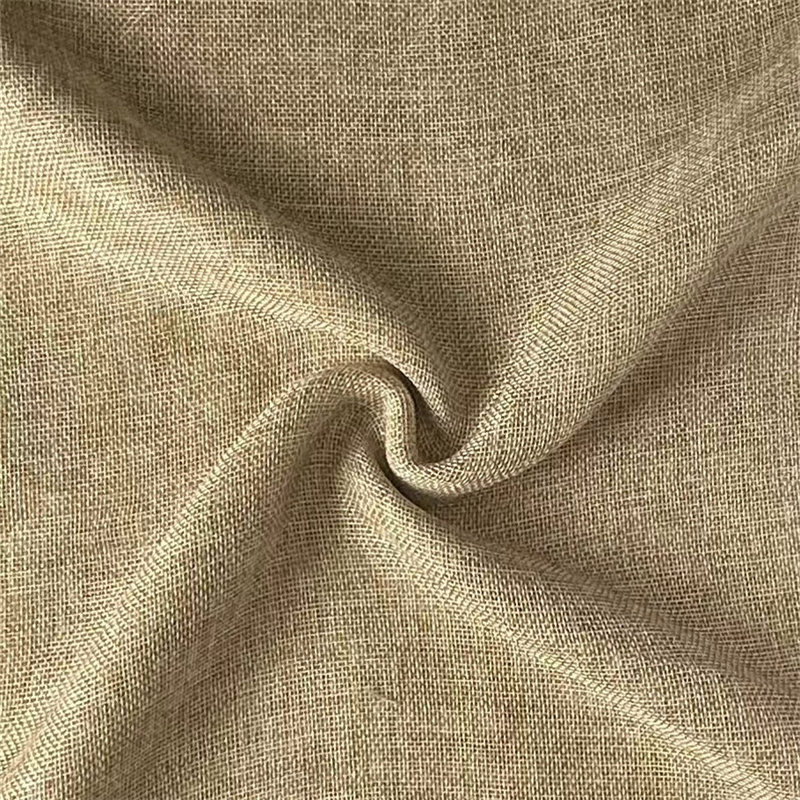
Polyester linen is a good example of why the word "fabric" earns its keep. It describes a family of materials woven to approximate the look of natural linen, with different performance and care characteristics. The category covers plaids, solid colors, and a range of weights, so the same word can hold very different products.
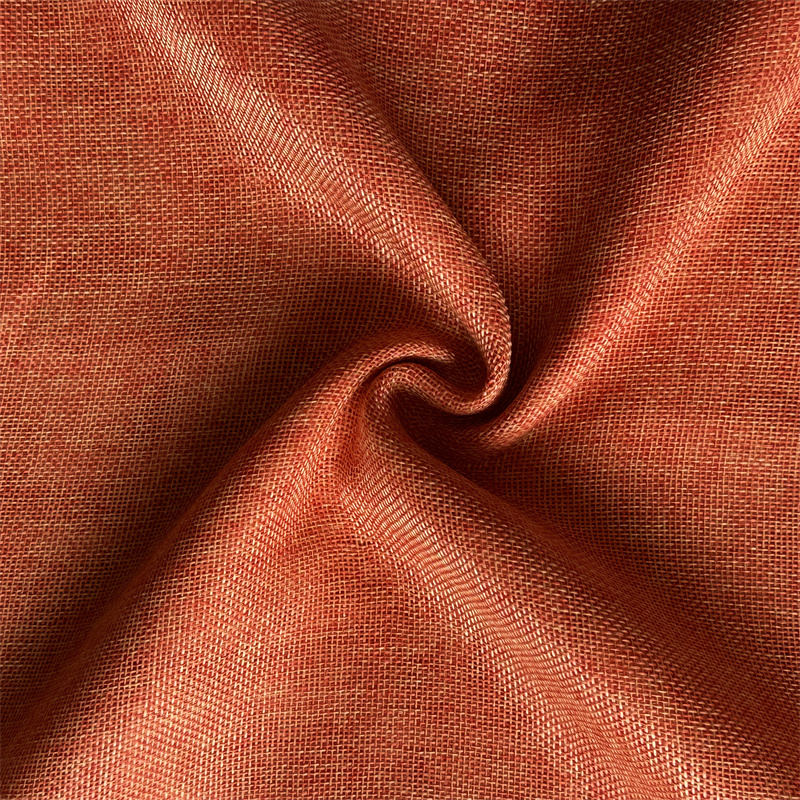 Polyester Linen Fabric for Home and Outdoor TextilesBrowse faux-linen solids and plaids in varied weights for curtains, upholstery, outdoor covers and apparel.View Product →
Jacquard is another case. The term refers to the weaving method that lets a mill build pattern into the fabric, from allover designs to positioned motifs. Buyers usually speak of jacquard fabric, not jacquard cloth, because they are describing a construction and a design capability.
 Custom Jacquard Fabrics for Upholstery, Apparel and Home TextilesCustom jacquard fabrics in 330 gsm, 148 cm width, with soft drape for upholstery, apparel and home textiles.View Product →
Satin follows the same pattern. It is a fabric defined by its weave structure and lustrous face, and the name travels with the material through sampling, production, and care. When a client asks for satin, they are naming a fabric family, not a random piece of cloth.
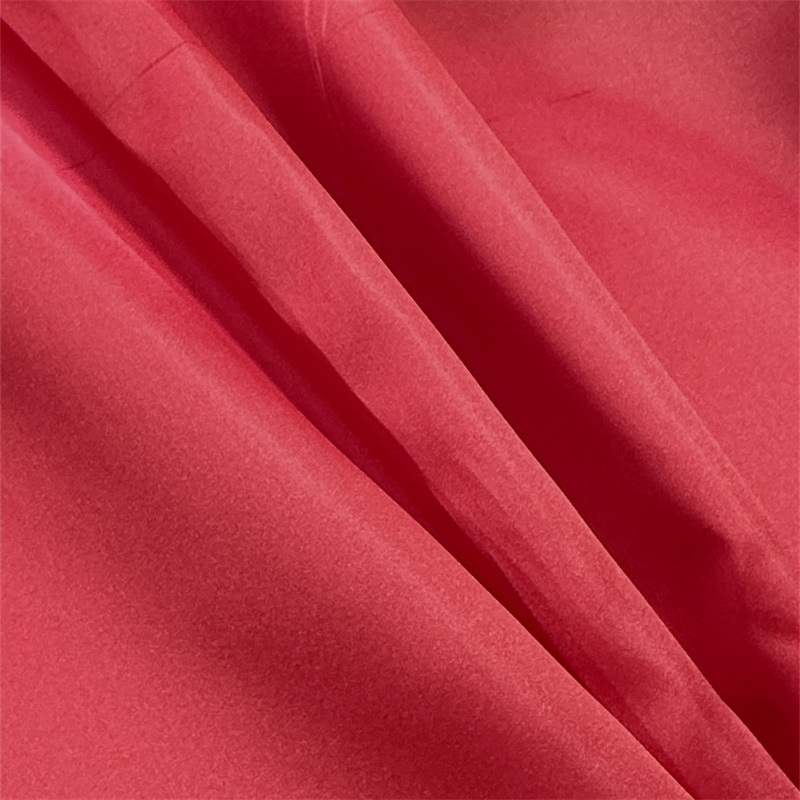 Satin Fabric for Eveningwear, Home Textiles and CraftsExplore glossy satin fabrics in silk, polyester or nylon for eveningwear, bedding, curtains, ribbons and craft projects.View Product →
None of this means that "cloth" is wrong in a mill. It is simply more local. A production manager may ask for a cloth sample, and everyone knows what that means. The vocabulary shifts with the job: fabric for the specification, cloth for the physical length.
Why the Distinction Matters to Buyers and Care
Precision pays off at the specification stage. If a brief says "cloth" without a fiber content, weave, weight, or finish, the mill has to guess. If it says "fabric" with a clear construction and performance target, the conversation moves faster. The same logic applies to care. A care label may refer to the fabric content, while a consumer thinks about the cloth they are washing. The underlying material is the same, but the vocabulary shapes expectations.
If you are comparing a polyester-linen blend with natural linen, our note on the key differences between plaid polyester linen fabric and natural linen fabric is a useful starting point. For performance questions, the explanation of moisture-wicking and breathability in polyester-linen fabric goes deeper into how the material behaves in real use.
Those details matter because "fabric" is not a promise of quality. It is a category. Two fabrics can share a name and behave very differently. The same is true of cloth. The word tells you what kind of thing you are handling, not how well it will perform.
A Practical Way to Choose Your Words
If you want to use the terms with confidence, here is a simple rule of thumb:
- Use "textile" when you mean the whole industry or the full chain from fiber to finished product.
- Use "fabric" when you mean the material as a product category, especially its construction, weight, hand, or performance.
- Use "cloth" when you mean a physical piece or length of material, particularly in cutting, cleaning, or everyday use.
- When in doubt, use "fabric" for sourcing and "cloth" for the piece in your hand. The context will do most of the work.
There is also a practical middle word: material. It is plain, flexible, and hard to misuse. "What material is this?" works in a showroom, a workshop, and a care conversation. When you do not need to be technical, material can carry the question without forcing a fabric-or-cloth choice.
None of this is a rule that everyday language has to obey. English has used cloth and fabric side by side for centuries, and the overlap is part of what makes the words flexible. But if you work with textiles, a little precision helps. It keeps a brief clear, a sample request specific, and a conversation with a mill on the same page. The next time you run your hand over a length of material, you can call it cloth if you are thinking about the piece, fabric if you are thinking about what it is made to do, and textile if you are thinking about the world it comes from.