

 中文简体
 Español
Content
- 1 Start With the Silhouette, Not the Swatch
- 2 The Fabric Families That Carry Most Evening Gowns
- 3 Satin: The Reliable Choice for Liquid Drape
- 4 Imitation Silk: Softness and Movement Without the Silk Price
- 5 Jacquard: When the Fabric Is the Design
- 6 Eight-Beautiful Satin and Other Structured Options
- 7 Lining, Underlining and the Details That Decide Fit
- 8 What to Ask Before You Order
An evening gown asks a lot of a fabric. It has to move when the wearer walks, hold a clean line when she stands still for photographs, survive a long night of sitting and standing, and still look considered under flash lighting at midnight. Most of that is decided long before the first seam is sewn, at the moment someone chooses the cloth.
We have spent years supplying dressmakers, studios and production teams with fabrics that end up in exactly this kind of work, and the questions we hear are remarkably consistent. Will it drape or stand away from the body? Does the shine read as expensive or as plastic? Can it be lined, underlined and pressed without marking? This guide walks through the fabric families that carry most evening gowns, how each one behaves, and what to check before you commit to a roll.
Start With the Silhouette, Not the Swatch
The most common mistake we see is choosing a beautiful fabric first and then trying to force a design around it. It usually works better the other way round. A bias-cut slip dress needs a cloth with low stiffness and high drape so it follows the hip and knee instead of fighting them. A ball gown needs a fabric with enough body to hold volume without collapsing under its own weight. A fitted column or sheath needs a quality with good recovery, because a fabric that grows during a fitting will show every wrinkle by the time the gown reaches the aisle or the red carpet.
So before you look at colour cards, answer three questions: does the cloth need to follow the body or hold its own shape, how much light reflection does the design want, and how many hours will the wearer spend seated? Those three answers narrow the choice faster than any swatch book.
The Fabric Families That Carry Most Evening Gowns
The table below summarises how the main options behave. Treat it as a starting point for a conversation rather than a rulebook, because weight and finish within a single family can vary enormously.
| Fabric family | Drape and body | Sheen level | Typical weight range | Works well for |
|---|---|---|---|---|
| Satin | Fluid to firm depending on weight | High, directional | Light to mid-heavy | Bias slips, columns, bodices, full skirts |
| Imitation silk | Soft, liquid, light | Medium, soft glow | Light to mid | Flowing skirts, overlays, draped bodices |
| Jacquard | Structured, sculptural | Low to medium, textured | Mid to heavy | Bodices, capes, coats, statement skirts |
| Eight-beautiful satin | Firmer, holds creases | High with a denser hand | Mid to heavy | Structured folds, pleats, fitted shapes |
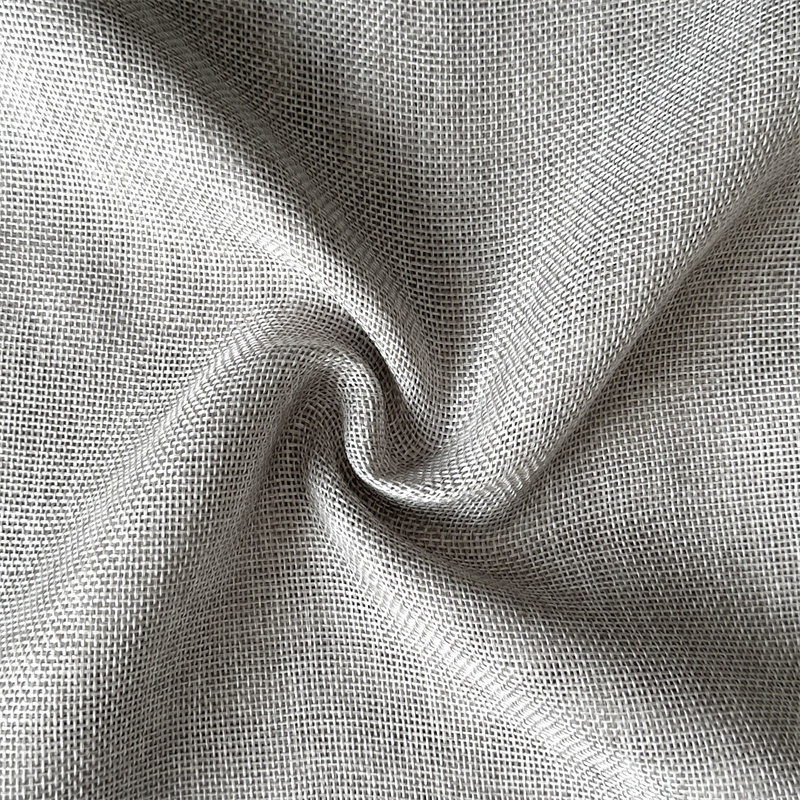
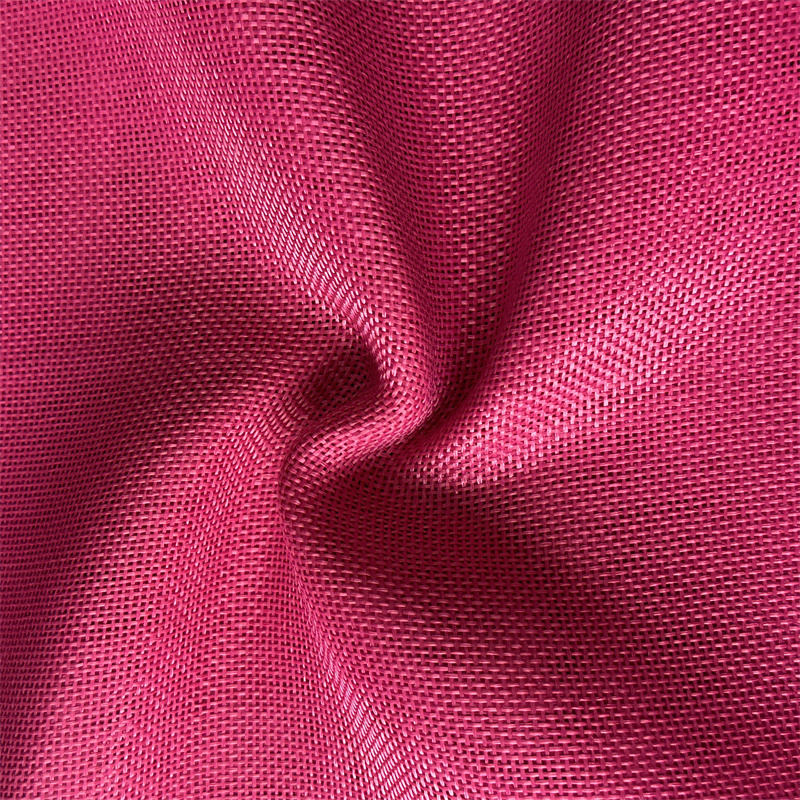
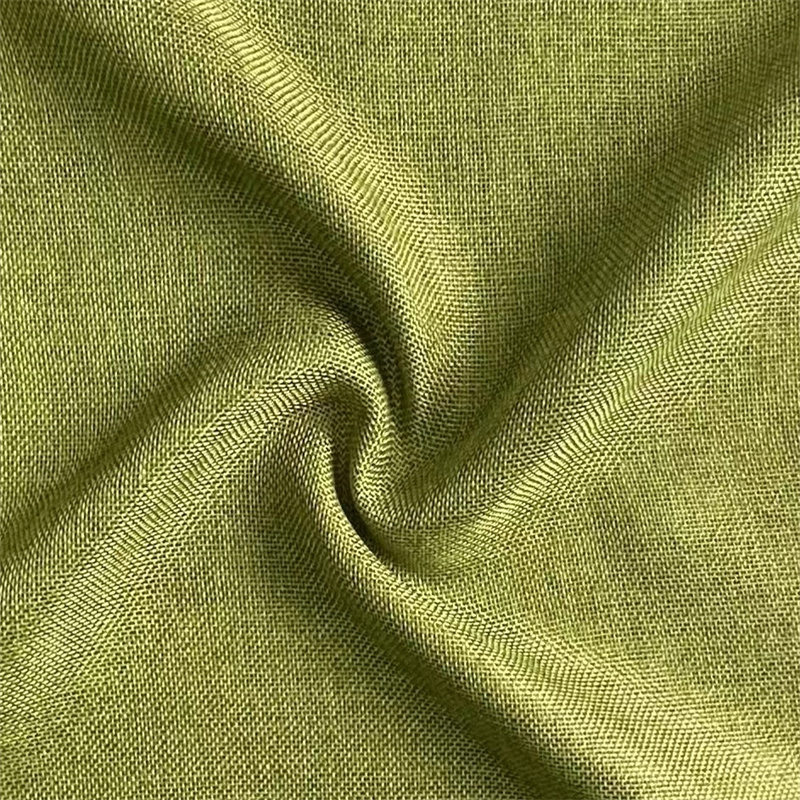
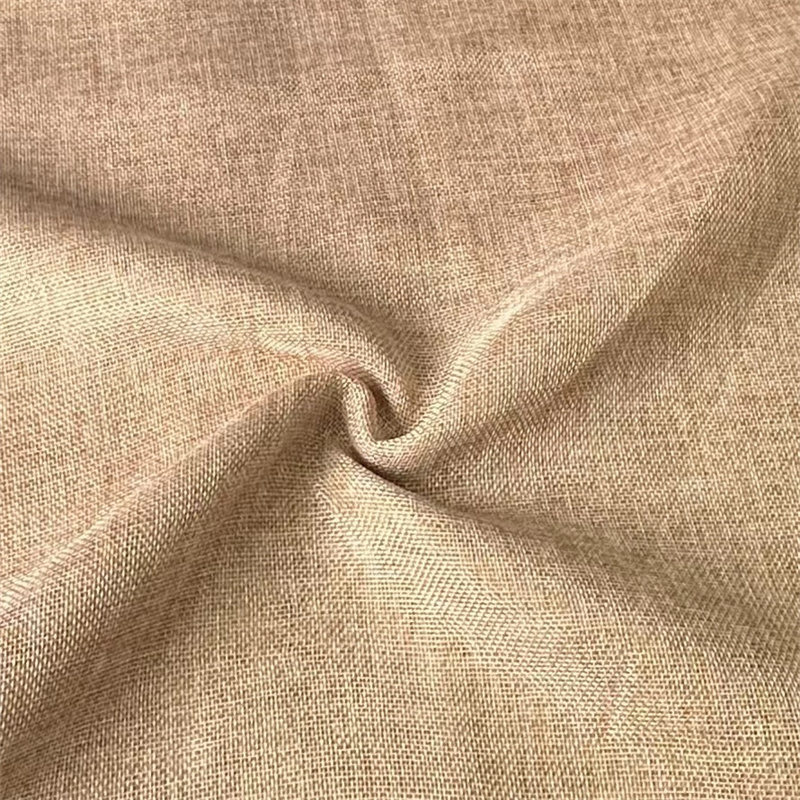
| Polyester linen | Crisp, textural, matte | Low | Light to mid | Modern textured gowns, separates, linings |
Satin: The Reliable Choice for Liquid Drape
Satin is the fabric most people picture when they picture an evening gown, and for good reason. A well-made satin has a smooth face that catches light along the direction of the weave, which is what gives a gown that shifting, liquid quality as the wearer turns. The reverse side is usually duller and slightly textured, which matters more than beginners expect: it affects how the fabric behaves against a lining and how it feels against skin.
The key variable is weight. Lightweight satins skim the body and pool beautifully at the hem, but they can show every seam impression and are unforgiving on a fitted bodice. Heavier qualities hold a pleat, support a structured neckline and photograph with more depth, at the cost of some fluidity. If your design mixes both — a fitted bodice with a fluid skirt — consider cutting the two areas from different weights of the same colour, and always confirm the shade matches across lots.
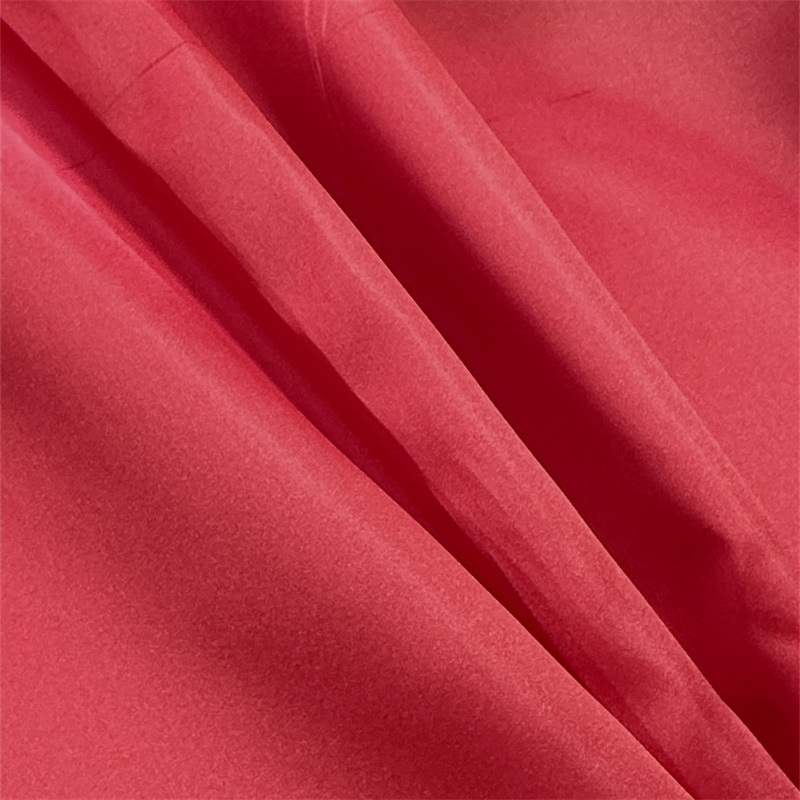 Satin Fabric in Silk, Polyester and NylonCompare satin qualities by fibre and weight for fluid skirts, structured bodices and formalwear, with options for apparel and interior projects.View Product →
One practical note on pressing: satin shows needle marks and iron shine easily. Press on the reverse with a cloth, test on an offcut first, and avoid dragging the iron across a fold line. Our team is always happy to advise which quality suits a particular silhouette before you order.
Imitation Silk: Softness and Movement Without the Silk Price
Imitation silk has become a genuinely strong option for evening wear rather than a compromise. Modern polyester imitations of silk offer a soft hand, a gentle lustre that reads as satin-adjacent rather than mirror-bright, and excellent drape for the money. They also take dye and print well, which makes them useful for seasonal colour stories and for designers who want a specific shade rather than a stock palette.
Where they really earn their place is in garments that need to move: cowl necks, draped hips, gathered skirts, cape sleeves and long trains. Because the fabric is light, it responds to gravity instead of resisting it. The trade-off is that very light imitation silks can be slippery to cut and sew, and they will highlight any puckering in a seam, so a stable lining and careful stay-stitching make a visible difference to the finished gown.
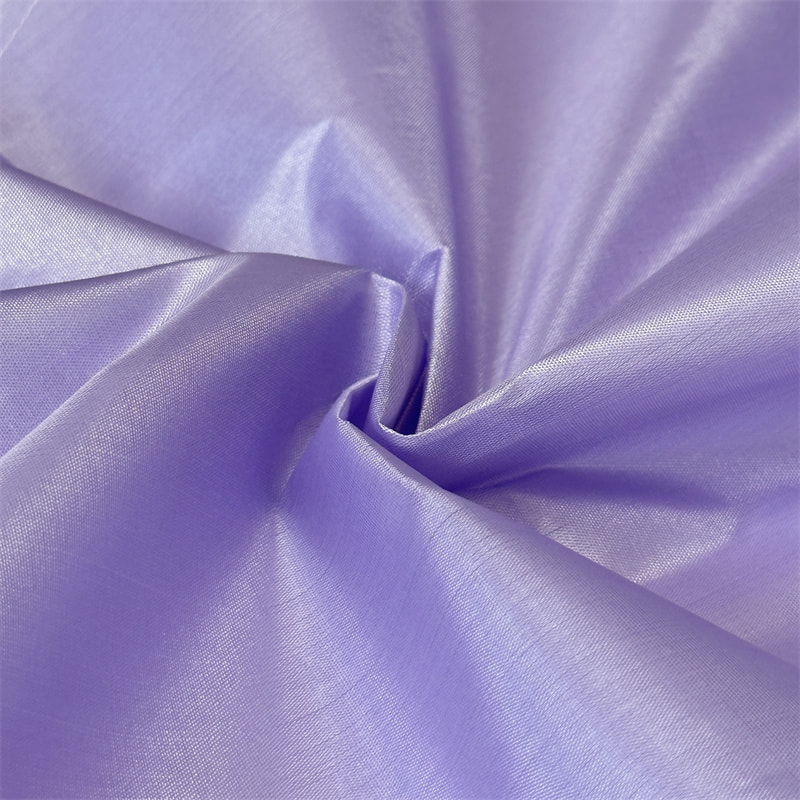 Imitation Silk Fabric for Draped Garments and DécorSynthetic imitation silk with smooth gloss and soft hand feel, suited to dresses, skirts, blouses, curtains and other easy-care projects.View Product →
For care and longevity advice, our article on extending the service life of satin-type fabrics covers washing, storage and travel in more detail.
Jacquard: When the Fabric Is the Design
Not every evening gown wants high shine. Jacquard gives you pattern and texture woven into the cloth itself, so the surface has depth that changes with the light instead of reflecting it flatly. It is the natural choice for a gown where the fabric is the statement: a sculpted bodice, a dramatic coat over a simple slip, a cape, or a structured skirt with volume.
Within jacquard, the distinction that matters most in production is how the motif is distributed. Allover jacquard repeats across the full width, which suits full skirts, sleeves and large panels where you want an even rhythm. Positioned jacquard places the motif at a specific point in the repeat, which is far more economical for bodices, borders and placement details — but it demands careful marker planning, because the motif has to land where the pattern intends on every size.
 Jacquard Fabric for Apparel and Interior DécorExplore jacquard fabrics with woven motifs for dresses, skirts, coats, tablecloths and cushion covers, planning allover or positioned patterns carefully.View Product →
Jacquard is also less forgiving of poor pressing than plain weave. Use a clapper or a pressing cloth, press from the reverse, and avoid steaming structure out of a bodice you have worked hard to build.
Eight-Beautiful Satin and Other Structured Options
Some gowns need a satin that behaves more like a duchesse: dense, firm and able to hold a fold without sagging. Eight-beautiful satin is exactly that kind of cloth — a denser satin with a rich face, well suited to pleated bodices, dramatic bows, sculpted peplums and skirts that need to stand away from the body rather than cling. It presses crisply, which makes it a pleasure for tailored evening shapes and a challenge for anything that relies on soft, unstructured drape.
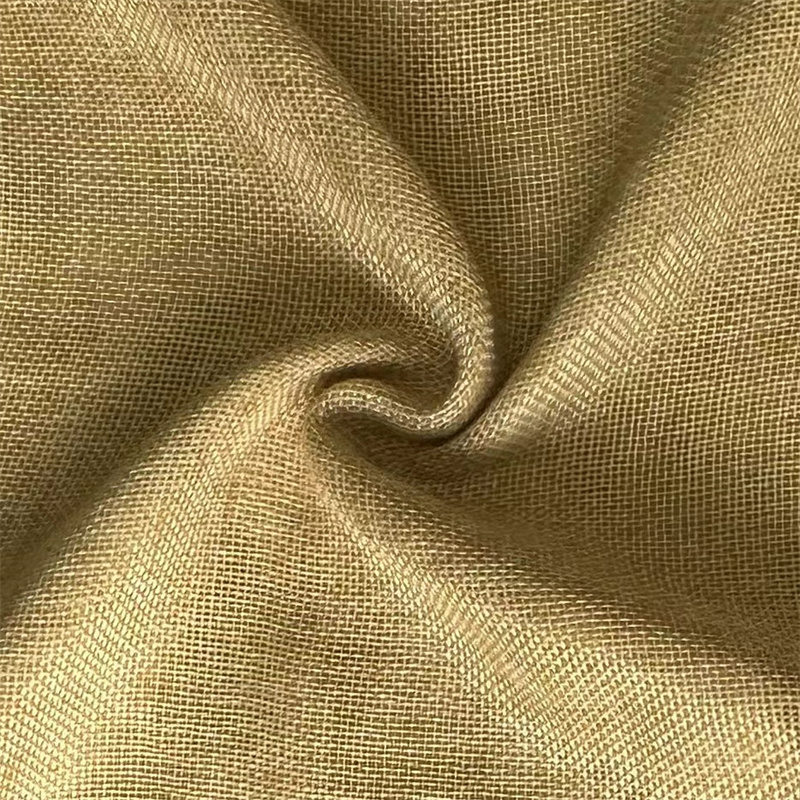
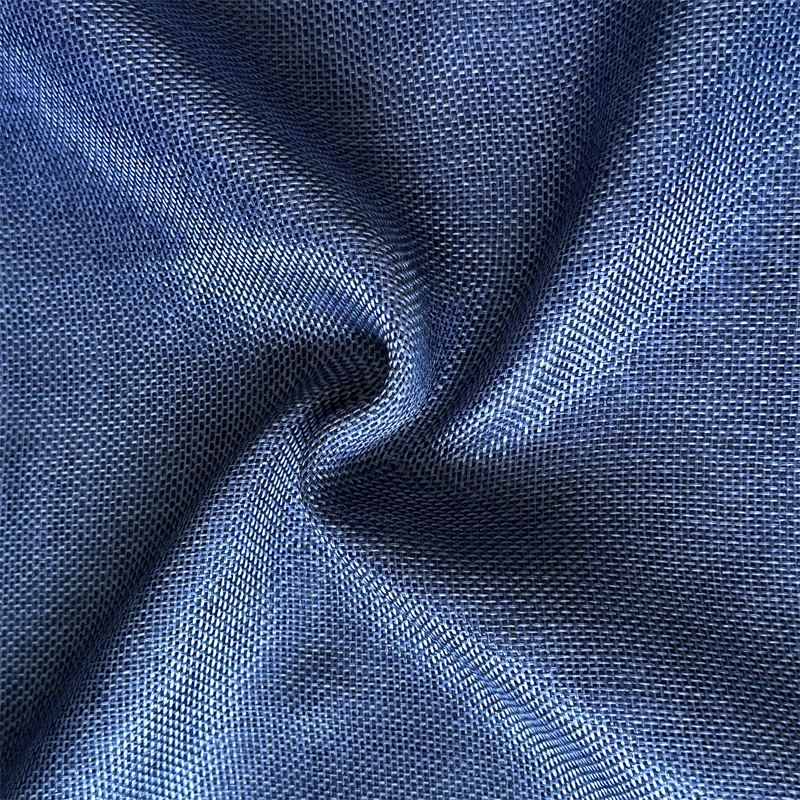
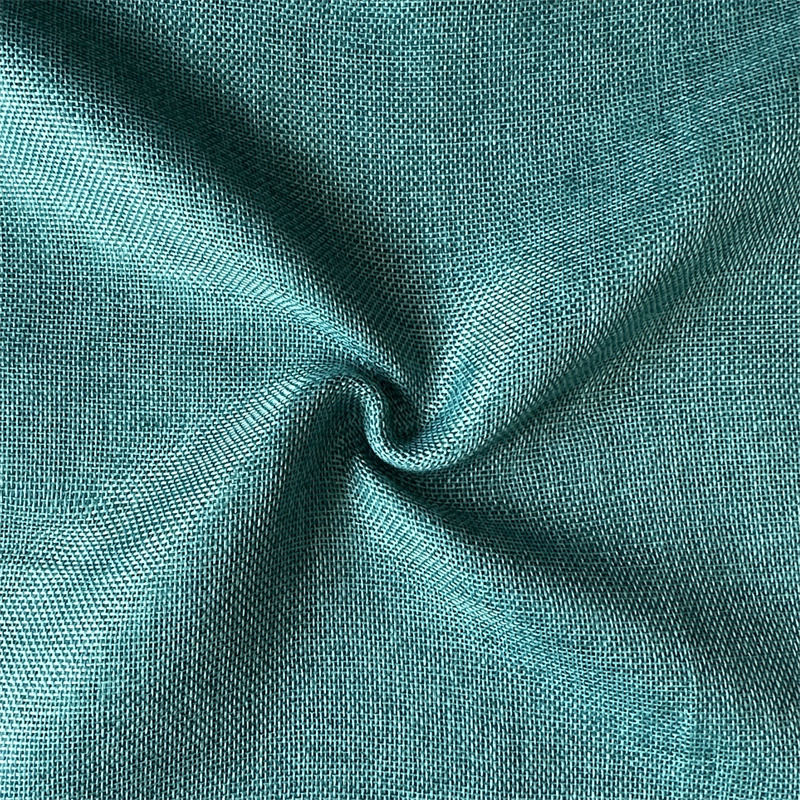
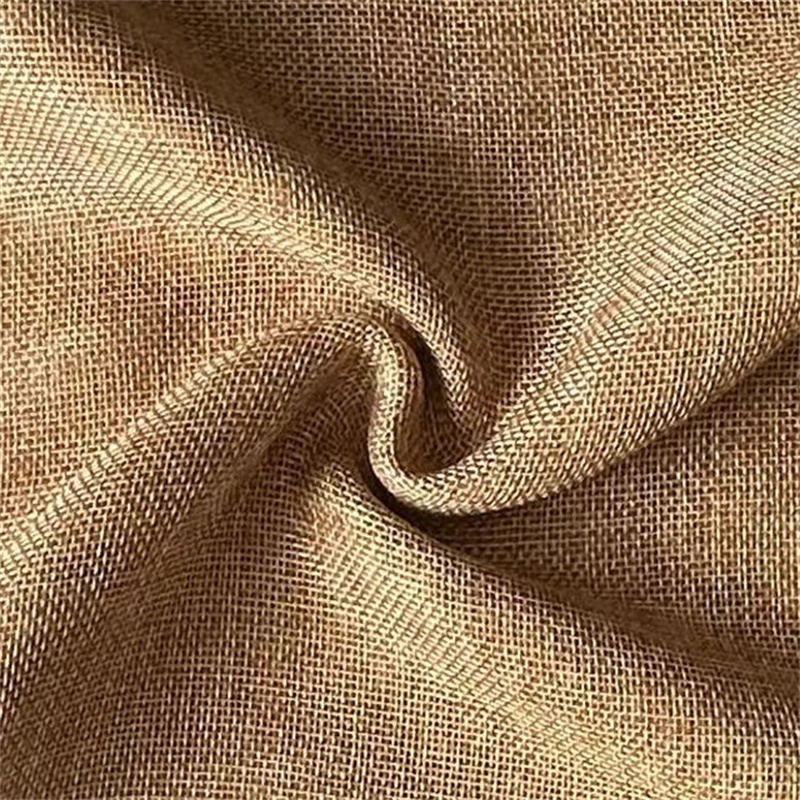
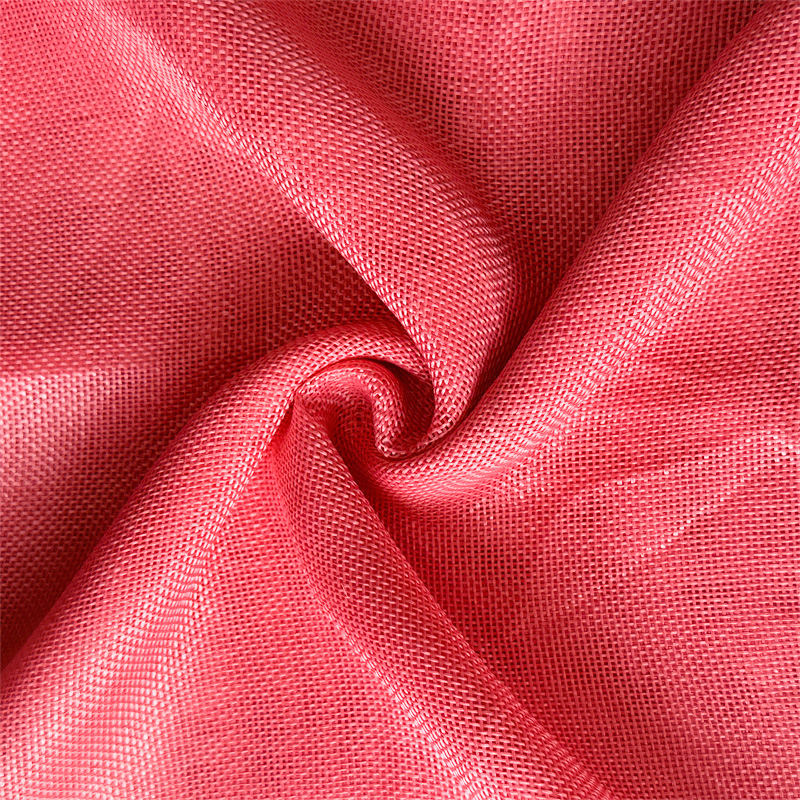
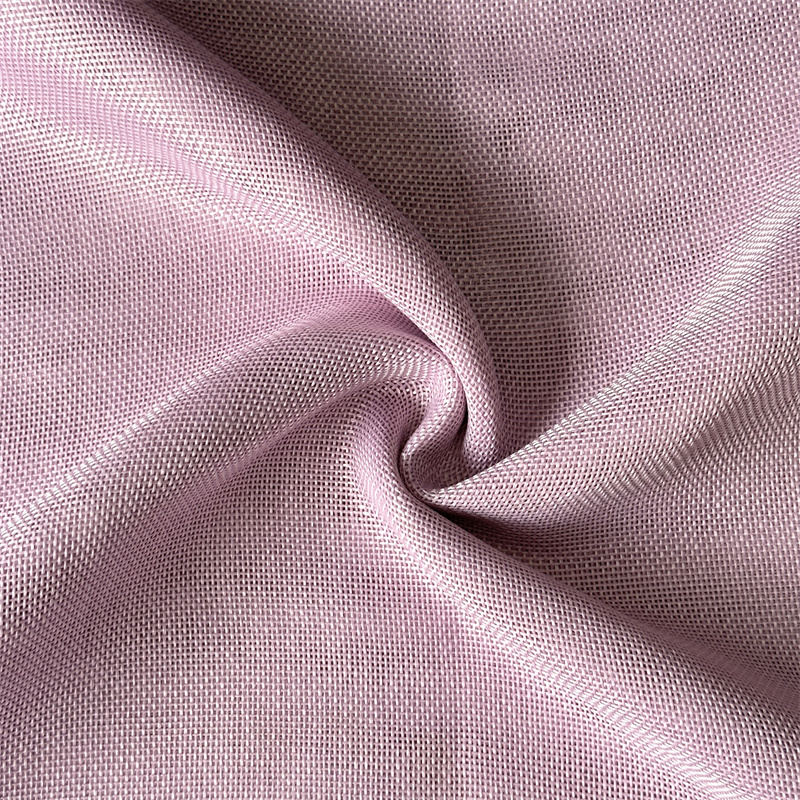
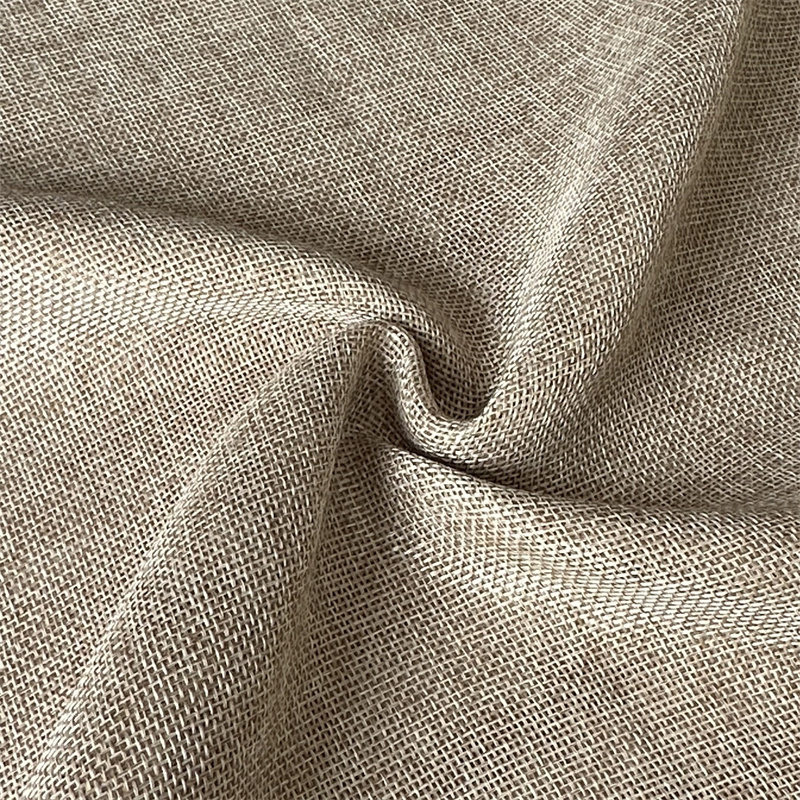
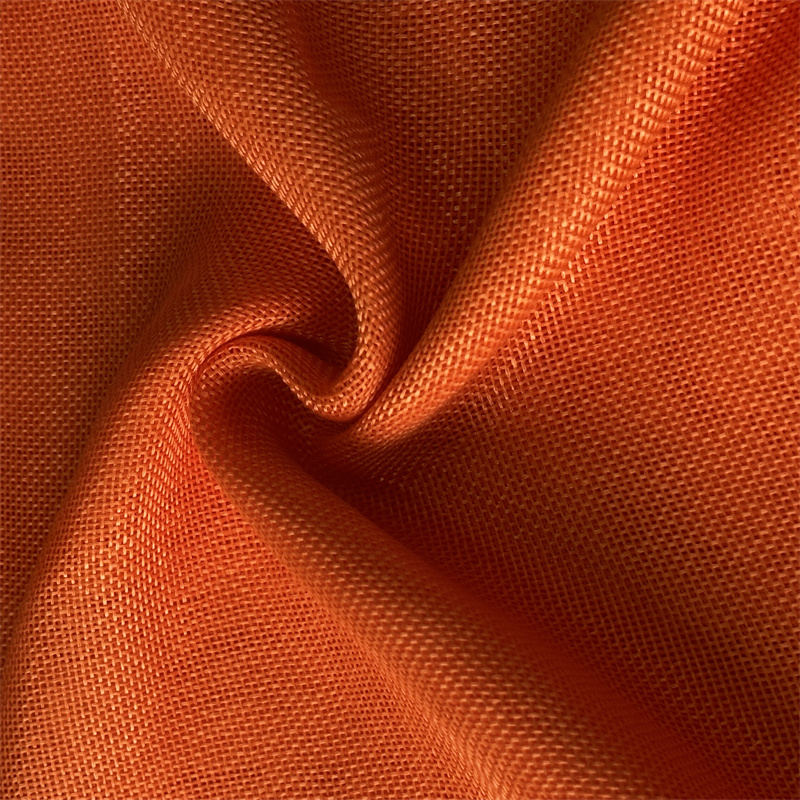
For designs that lean deliberately matte or textural — a modern, less reflective evening look, or a gown paired with a textured jacket — polyester linen qualities can work surprisingly well. They bring a dry hand and a visible weave that contrast nicely against a satin lining, and they photograph without glare. Our full fabric range shows the qualities we hold in stock, and we can also develop custom colours and constructions.
Lining, Underlining and the Details That Decide Fit
What happens underneath the shell fabric matters as much as the shell itself. A smooth polyester lining lets a gown slide on and off without catching on the seams, and it protects the outer fabric from body oils and friction. Underlining — often a lightweight organza or tulle — adds body without weight, which is the standard trick behind a bodice that looks simple and holds beautifully. For structured pieces, a fusible or sew-in interlining at the waist and neckline keeps the shape honest over a long evening.
Three small things cause the most problems in production, and all three are easy to test early:
- Seam slippage on smooth satins, especially at stressed curves such as the armhole and hip.
- Fraying on jacquard and loosely woven qualities, which is best controlled with a swift overlock or bound finish.
- Shrinkage after steaming, which can shorten a hem by a visible amount if the fabric is not relaxed before cutting.
What to Ask Before You Order
Every mill will tell you its fabric is beautiful. The useful conversation is about the practical details, and a good supplier will welcome those questions. When you request samples, ask for a piece from the production lot rather than a stock card, and check it in daylight, under warm indoor light and under flash.
- Confirm the exact composition, width and weight, and ask how much the fabric relaxes after pressing.
- Request a dye-lot commitment for the full order, plus a reserve for replacements and repairs.
- Test the sample the way you will use it: sew a short seam, press it, hang it overnight and check for growth.
- Ask about minimums, sampling lead time and production lead time before you set a delivery date with your client.
We keep a broad stock of qualities and can produce to specification, so most conversations start with a silhouette and a colour rather than a product code. Send us a sketch, a reference garment or simply a description of how the gown should move, and we will point you towards the qualities most likely to deliver it — and tell you honestly when a fabric is the wrong choice for the design.
Evening gown fabric is never just a surface. It is the thing that decides whether a dress falls softly, holds a sculpted line, or shines under a camera flash in a way that flatters everyone in the photograph. Get the hand, the weight and the sheen right, and the sewing becomes far more straightforward. Get them wrong, and no amount of skill at the machine will fully rescue the fit.
If you are weighing up options for an upcoming collection or a single couture piece, we would be glad to help you compare qualities side by side. A short conversation and a few well-chosen samples usually settle the question faster than weeks of guessing.