

 中文简体
中文简体 Español
Content
- 1 What Counts as Custom Designed Fabric, and What Does Not
- 2 The Specification Sheet: What a Mill Really Needs From You
- 3 Design Routes That Work Well in Woven Fabric
- 4 Printing a Design Versus Designing the Cloth
- 5 From Brief to Bulk: How a Project Moves Through the Mill
- 6 Questions Worth Asking Before You Commit
- 7 Developing Your First Custom Design With Us
Custom designed fabric sounds straightforward: you have an idea, you send it to a mill, and the right cloth comes back. In practice, a woven custom design passes through yarn selection, pattern programming, dyeing, sampling and inspection long before a single metre of bulk fabric exists, and each of those decisions decides whether the finished cloth looks and behaves the way you pictured.
We have been weaving in Tongxiang, Zhejiang since 2016, and turning customers' ideas into specifications our looms can reproduce is most of what we do. Here is the advice we usually give before a project starts.
What Counts as Custom Designed Fabric, and What Does Not
Two different processes hide behind the same phrase. The first is printing a design onto ready-made cloth: an artwork file goes to a printer, ink is laid on a base fabric, and the design sits on the surface. The second is building the design into the cloth itself, so the appearance comes from the yarns and the weave rather than from anything applied afterwards.
Both routes are legitimate. Printing is quick and economical in small volumes, and nothing beats it for photographic detail or dozens of colours. Designing the cloth takes longer at the start, but the result does not sit on the surface waiting to wear away, and it drapes differently. When a customer asks us for custom designed fabric, they usually mean this second route: a woven construction developed around their colours, pattern and performance needs.
The Specification Sheet: What a Mill Really Needs From You
Custom projects rarely fail because of the design. They fail because of a detail nobody wrote down. A pattern file shows how the fabric should look; it says nothing about weight, hand feel or how the cloth will be washed. These are the points we settle before anything goes near a loom.
| Specification | Why it decides the outcome | What to bring |
|---|---|---|
| Fibre and yarn | Polyester, cotton and viscose behave differently in dyeing, shrinkage and wear. | A reference swatch or a fibre preference |
| Weight (GSM) | Drives drape and opacity, and whether the cloth suits the intended use. | A target weight or a fabric to match |
| Width | Affects cutting efficiency and how many panels you get per metre. | Your cutting plan, if you have one |
| Pattern repeat and layout | Repeat size limits what a loom can produce and drives pattern cost. | Artwork or a sketch with repeat dimensions |
| Colour and colourfastness | Dyed lots never match perfectly; standards set the accepted tolerance. | Lab dip references and your standard |
| Hand feel and finish | Washing, calendering and brushing change how the fabric feels. | Words or a sample: soft, crisp, brushed, matte |
| Order quantity | Sets the minimum run length and the price breakpoints. | First order and likely repeat volumes |
None of this is an obstacle. It is simply what lets a mill quote a price and a delivery date that still hold three months later.
Design Routes That Work Well in Woven Fabric
Not every idea suits every construction. These three routes cover most of the custom work we run.
Yarn-Dyed Plaids and Checks
Here the pattern comes from dyeing the yarn before weaving and arranging coloured threads in the warp and weft. The design runs through the cloth instead of sitting on top of it, which is why checks wear so well in daily use. Repeat size is generous, colour is limited only by the number of yarns you are willing to stock, and small variation between dye lots reads as character rather than defect. Buyers often ask how this compares with natural linen, and the honest answer is that the differences show up in creasing, strength and how each one ages; the right choice depends on the end use, not on which is better.
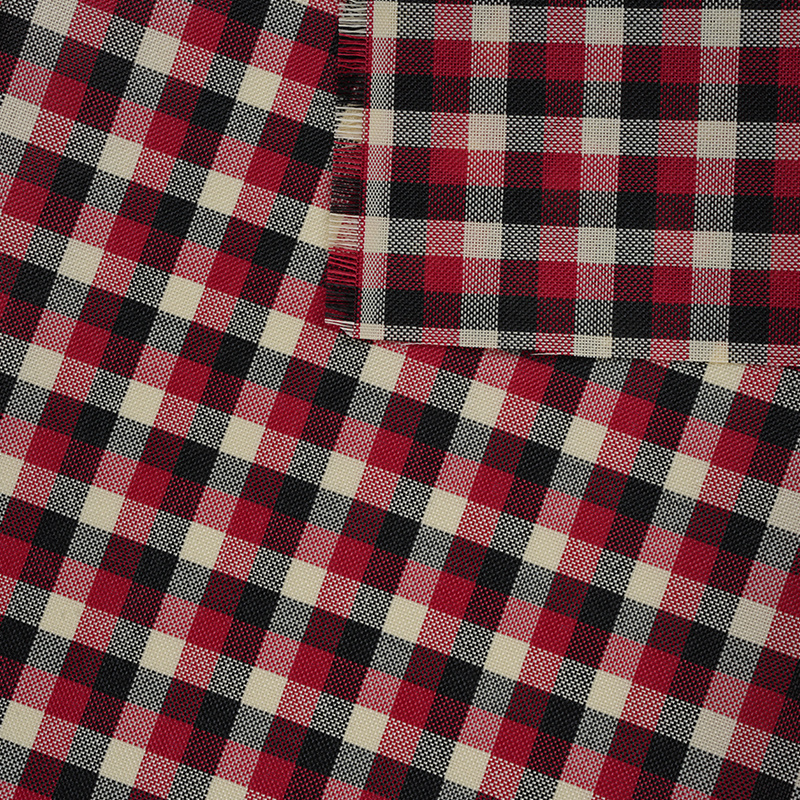 Plaid Polyester Linen Fabric in 1x1, 10x10 and Houndstooth ChecksYarn-dyed plaid imitation linen with classic 1x1 checks, wider 10x10 grids, and houndstooth, offering palette-based recolouring for curtains, tablecloths, apparel, and commercial interiors.View Product →
Classic 1x1 checks, wider 10x10 grids and houndstooth are all easy starting points, and each can be recoloured around your palette.
Jacquard: Allover and Positioned
Jacquard weaving lifts individual warp threads to build a pattern into the structure of the cloth. It suits motifs, geometric repeats and tonal textures, and the design can run across the full width or be placed deliberately — a border, a panel, a single motif — which matters when it has to fall in the right place on a finished piece.
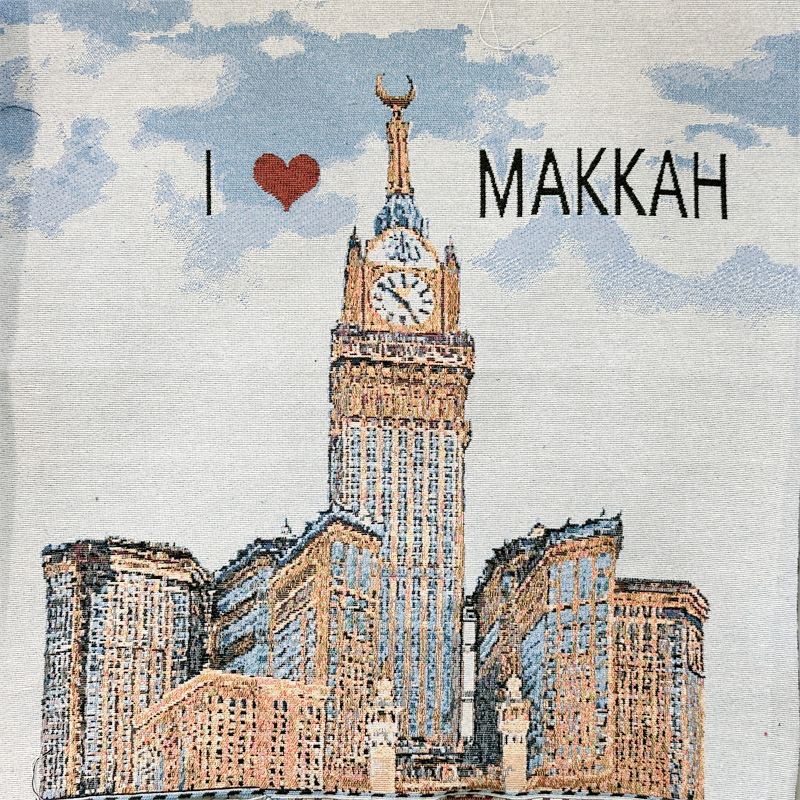 Jacquard Fabric Range with Woven Motifs and Tonal TexturesJacquard category offers 330gsm, 148cm-wide fabric with 75% polyester, 15% cotton, and 10% viscose, suited to placed motifs, geometric repeats, and interior or apparel projects.View Product →
Development takes longer and costs more to set up than a plain weave, so it rewards projects with a clear repeat and a realistic order quantity.
Solid Colours and Quiet Texture
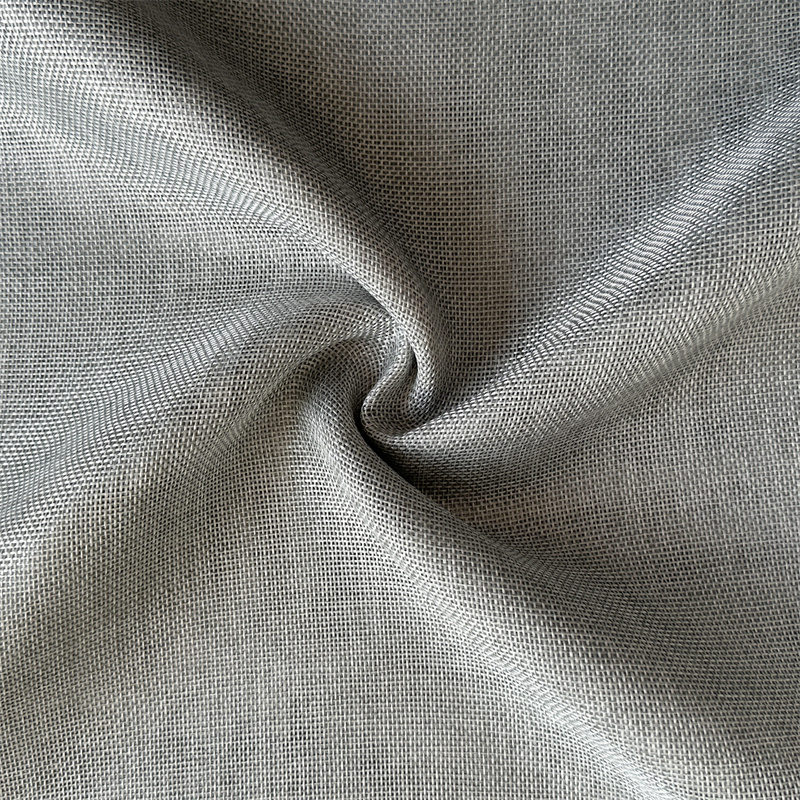
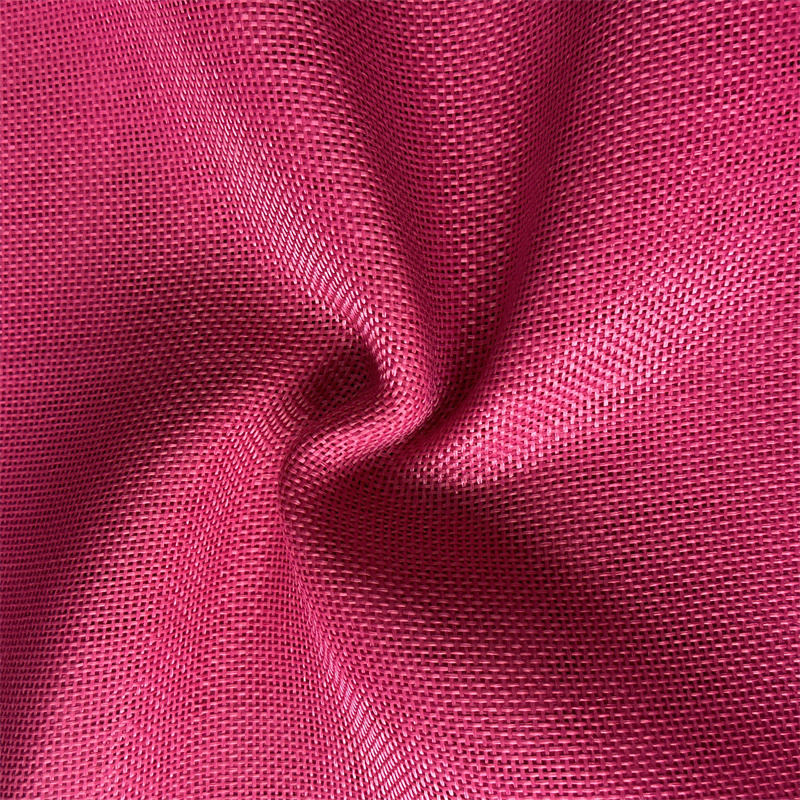
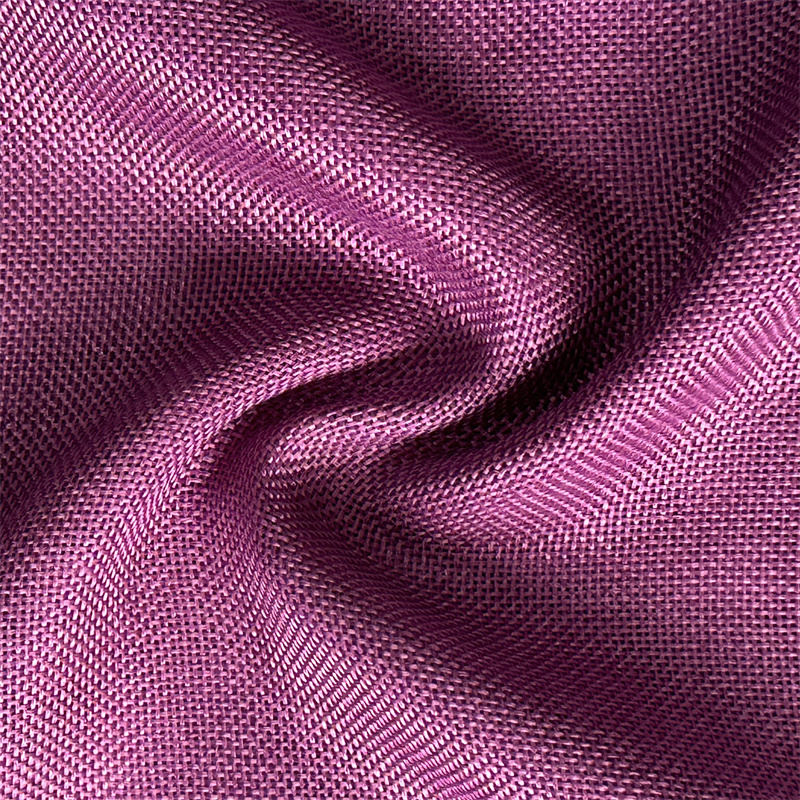
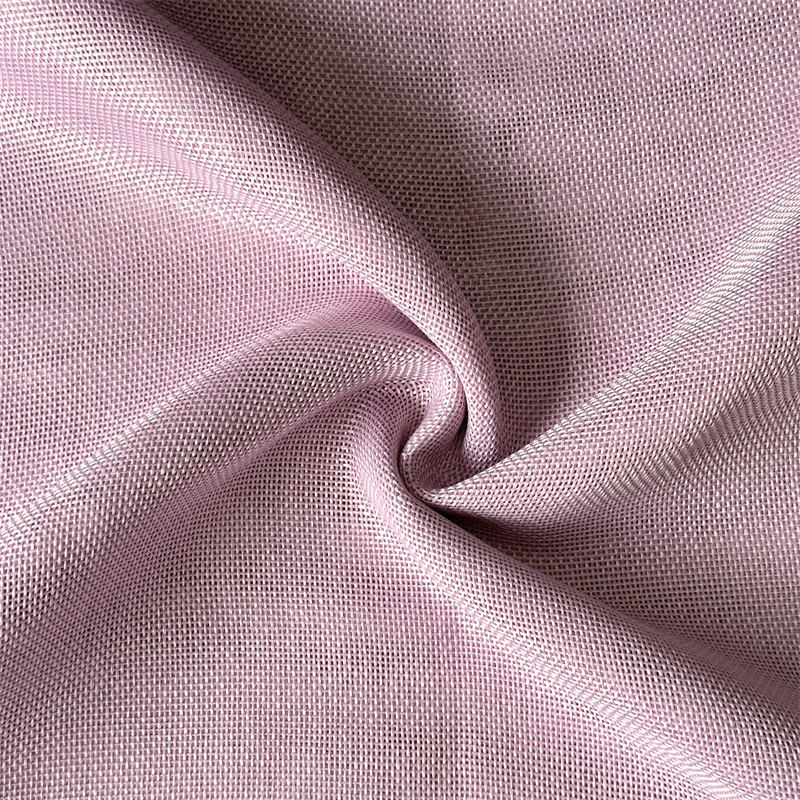
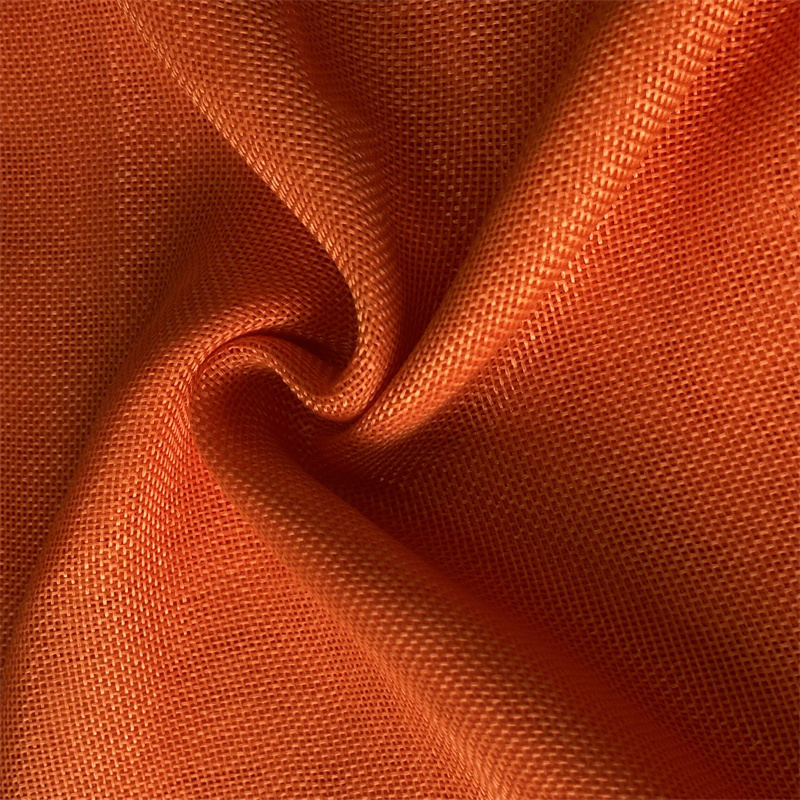
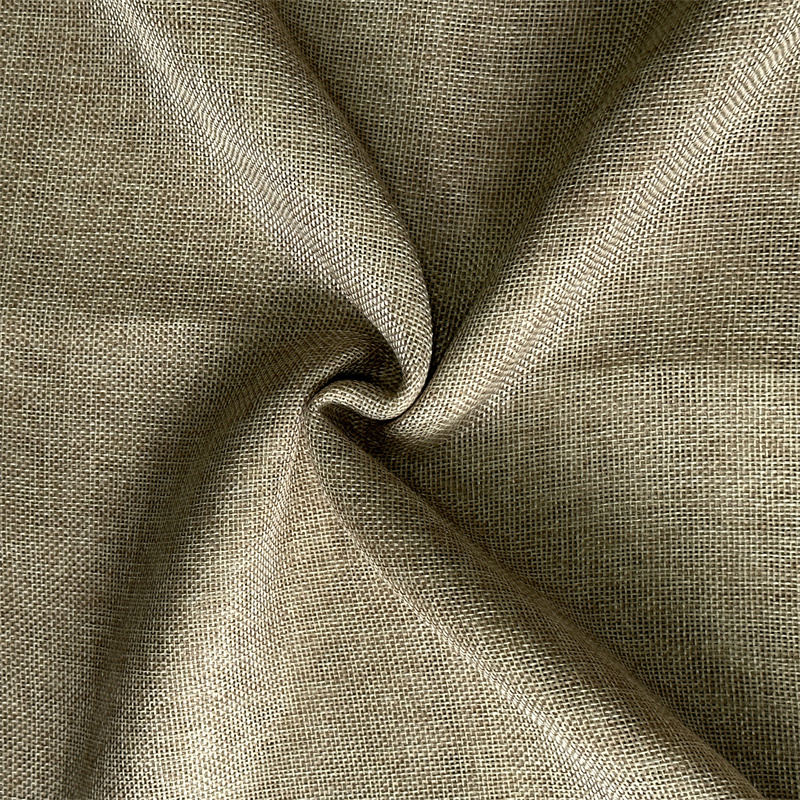
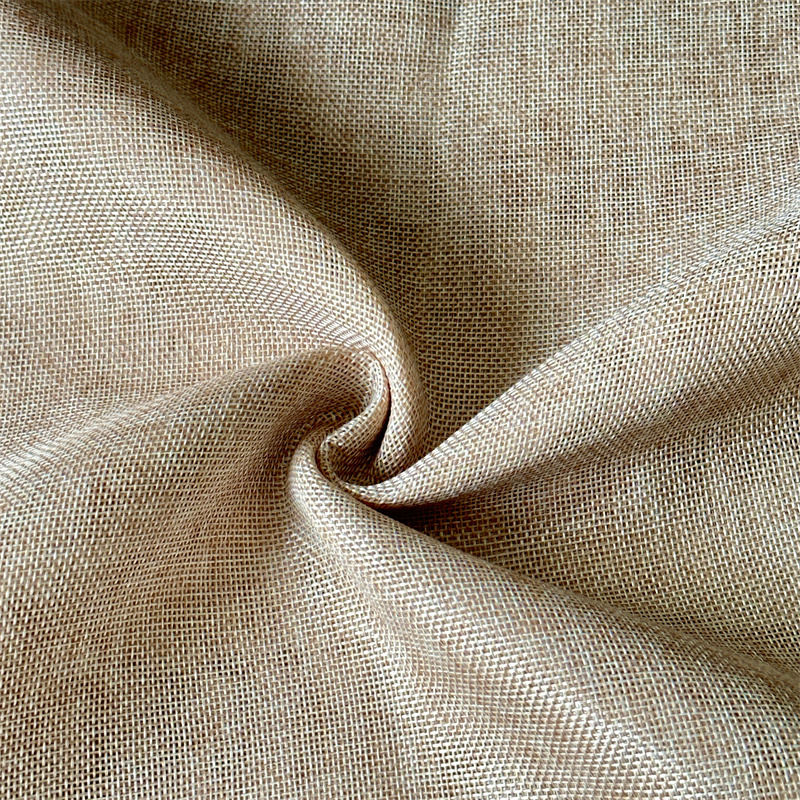
Plenty of custom work is about shade, weight and surface rather than a bold pattern: a specific grey, a softer hand, a slub in the yarn that catches the light. Solid colour is where lab dips matter most, because the eye forgives a busy pattern far more readily than a shade that is slightly off.
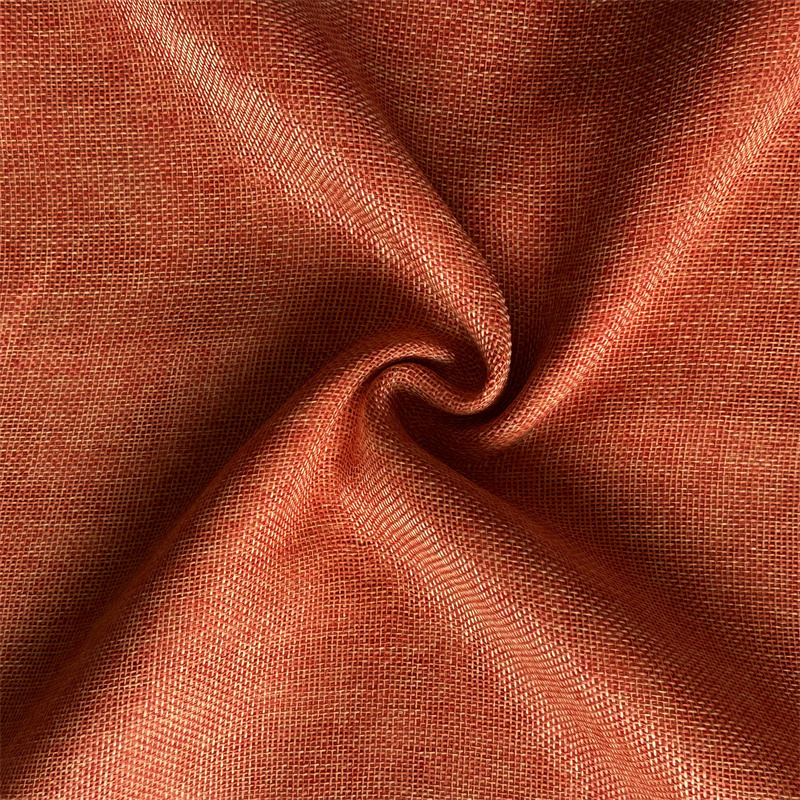 Solid Color Polyester Linen Fabric in Multiple 1200C ModelsSolid-colour faux-linen range with soft hand and easy care, suited to shade-focused custom work, curtains, upholstery, tablecloths, light clothing, and commercial interiors.View Product →
These are usually the simplest projects to run and to repeat, which makes them a sensible first order with a new mill.
Printing a Design Versus Designing the Cloth
If your design is a painting, a photograph or a pattern in many colours, printing will usually serve you better. Digital printing has made short runs accessible, screen printing still wins on large volumes of flat colour, and hand methods such as block printing give a character no machine reproduces. Where printing struggles is scale and repetition: large repeats need wide machinery, colour counts push cost up quickly, and a printed surface behaves differently from a woven one after repeated washing. We are weavers rather than printers, so we try to be straight about which route suits a brief. A design built into the cloth earns its longer development time when the pattern is structural, the volumes are steady, and the fabric has to look the same two years from now.
From Brief to Bulk: How a Project Moves Through the Mill
- Feasibility check. We review your artwork, repeat and quantities, then say what is realistic and what needs adjusting.
- Yarn and colour development. Fibres and yarn counts are chosen, and lab dips are prepared for your approval.
- Sampling. A sample length is woven so you can see structure, weight and colour together.
- Review and revision. Most projects need one or two rounds of adjustment at this stage.
- Bulk weaving and finishing. Once the sample is signed off, production runs and the cloth is washed and finished to the agreed hand.
- Inspection and delivery. Fabric is checked against the approved sample before it ships.
Questions Worth Asking Before You Commit
- What is the minimum order quantity, and does it change if I add a second colour?
- How many rounds of sampling are included, and what does an extra round cost?
- Which colourfastness standard will the bulk be tested against?
- How much shrinkage should I allow for when cutting?
- Is the pattern exclusive to me, or can it be sold to other buyers?
- What tolerance applies if the bulk shade falls slightly outside the approved sample?
- What is a realistic lead time from sample approval to shipment?
Developing Your First Custom Design With Us
We are Tongxiang Miaoqisi Textile Co., Ltd., an integrated manufacturer and trader working from a plant of more than 10,000 square metres in Tongxiang, Zhejiang, with over 200 looms and a daily output above 60,000 metres. More than 100 fabric qualities are held in stock at roughly 2,000 metres each, so a first trial order does not have to queue behind a full production run. Our range covers polyester linen, jacquard, satin, imitation silk, eight beautiful satin, chenille and corduroy, and custom development sits alongside all of it.
If you are unsure whether your idea belongs on a loom or a printer, tell us what the fabric has to do and we will tell you honestly which one fits. Call +86-17305847284, or send a sketch, a swatch or a simple description through the contact form on our site.
Custom designed fabric is rarely one decision. It is a series of small ones — a yarn count here, half a shade there, one more sampling round — and every one of them shows up in the finished cloth. Get them right early and the rest of the process becomes pleasantly uneventful, which is exactly what a good fabric order should feel like.