

 中文简体
中文简体 Español
Content
When you sit down in a chair, you probably do not think about the fabric beneath you. But chair fabric material shapes everything: how the seat feels on a warm afternoon, how well it survives a spilled cup of coffee, and how long the chair keeps looking presentable. Whether you are reupholstering a beloved armchair, specifying seating for a hotel lobby, or choosing dining chairs for a busy family, the material you select is one of the most practical decisions you will make.
In this guide, we will walk through the main categories of upholstery fabric, compare how they perform in everyday life, and share the factors that matter most when you are comparing options. The goal is not to crown a single "best" fabric, but to help you match the material to the chair, the room, and the people who will use it.
Why Chair Fabric Material Matters More Than You Think
Upholstery fabric is not just a visual layer. It is the interface between the chair's structure and the human body. A fabric influences temperature, friction, texture, and how often the chair needs cleaning. It also affects the chair's structural life: a loose weave can sag, while a tightly woven material may resist abrasion but feel less breathable.
Chair fabric material also determines maintenance. Some weaves trap dust and pet hair; others release it easily. Some fibers resist stains; others need immediate blotting. Understanding these trade-offs early saves frustration later, whether you are buying one accent chair or planning a large seating project.
The Core Categories of Chair Upholstery Materials
Most upholstery fabrics fall into a few broad families. Each has a distinct personality, and many real-world fabrics are blends designed to combine the best traits of two or more fibers.
Natural fibers: cotton, linen, and wool
Cotton is soft, breathable, and easy to dye, which is why it remains a popular choice for casual chairs and slipcovers. Linen, made from flax, has a crisp texture and natural luster that many people love in living rooms and dining areas. Wool is resilient, temperature-regulating, and naturally resistant to some stains, making it a long-standing favorite for formal and commercial seating. The downside of natural fibers is that they can be more demanding to clean and may fade with prolonged sun exposure.
Synthetic fibers: polyester, nylon, acrylic, and rayon
Synthetic fibers dominate modern upholstery because they are durable, colorfast, and often more affordable. Polyester is especially versatile: it can be woven to mimic linen, silk, or wool, and it holds up well to repeated use. Nylon adds strength and abrasion resistance, acrylic resists fading, and rayon brings a soft, silk-like hand. A well-made polyester faux linen, for example, can deliver the look of natural linen with easier care and greater consistency.
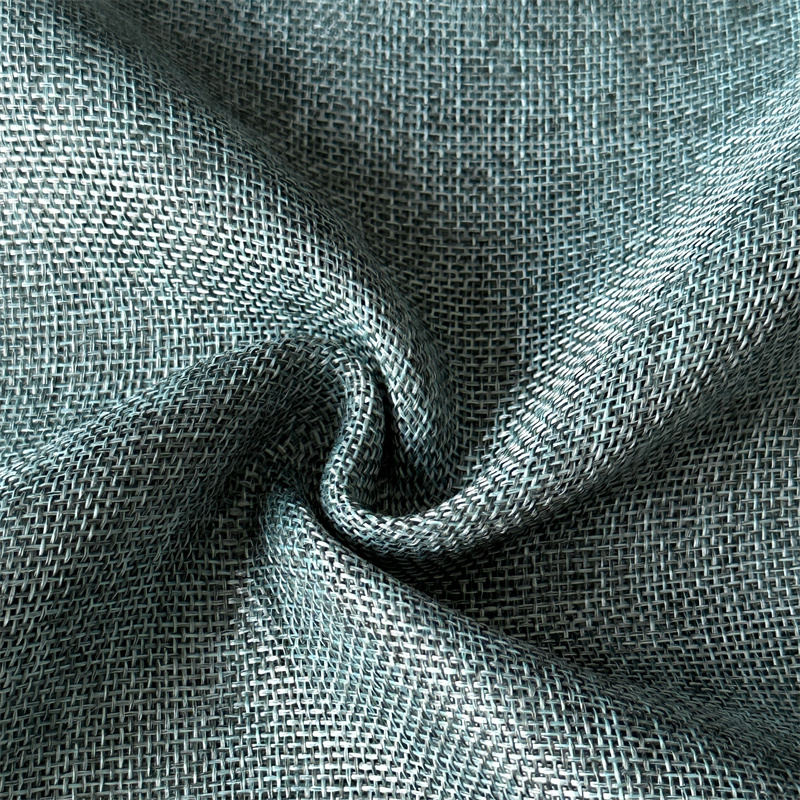
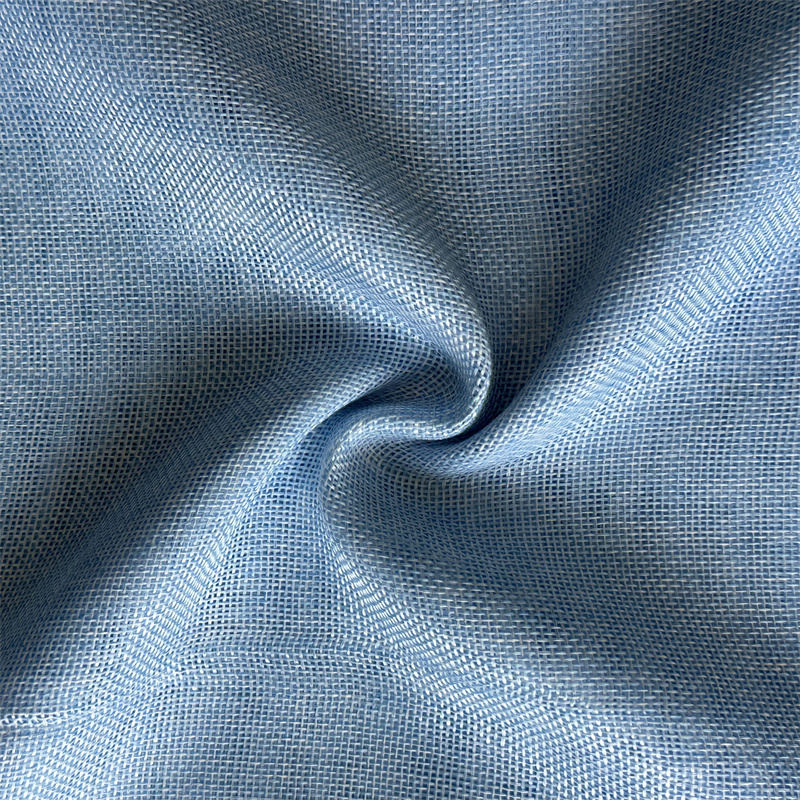
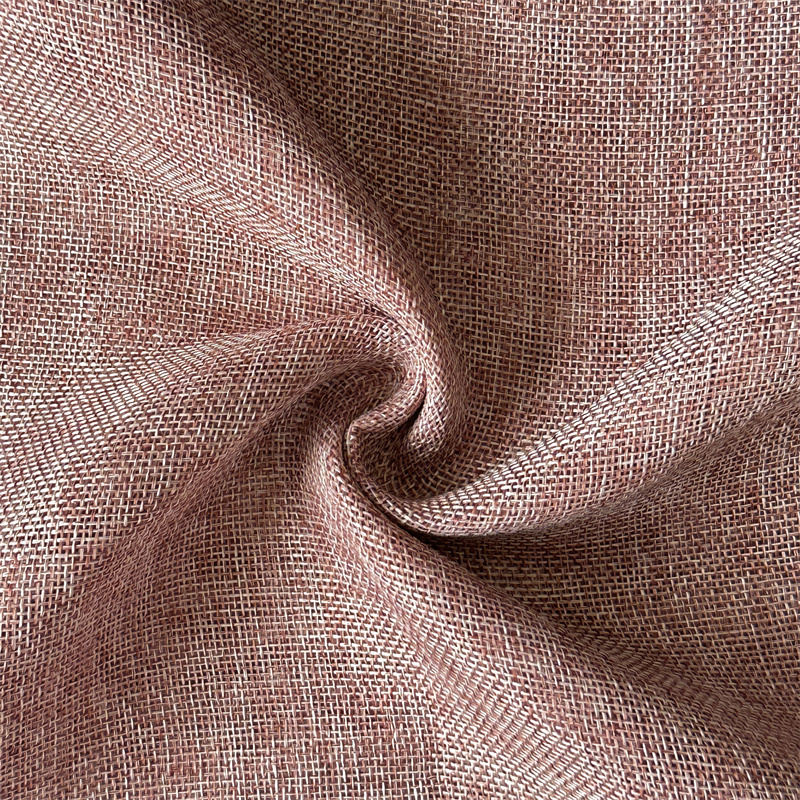
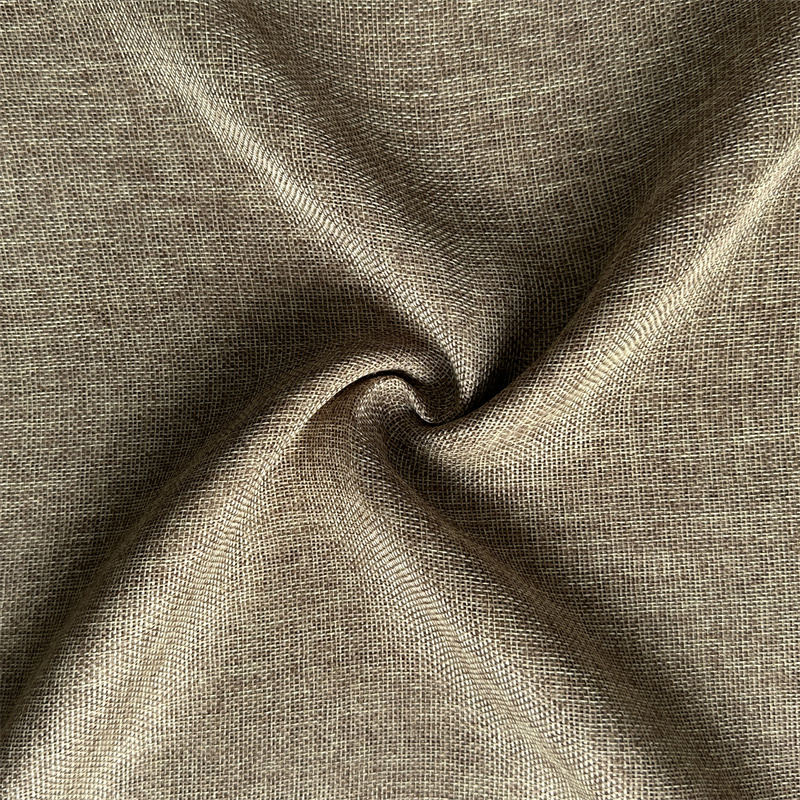
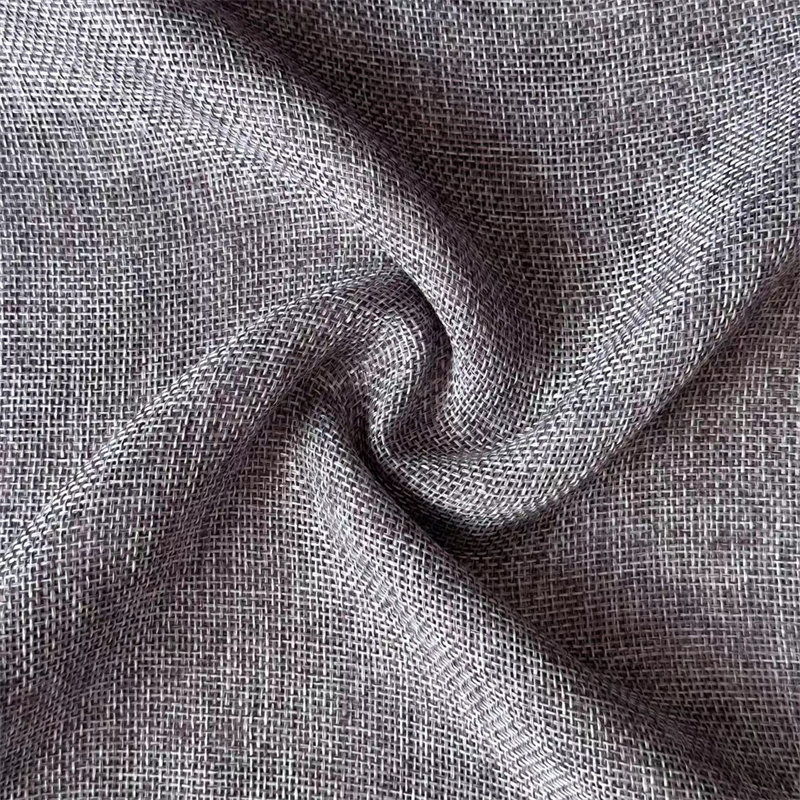
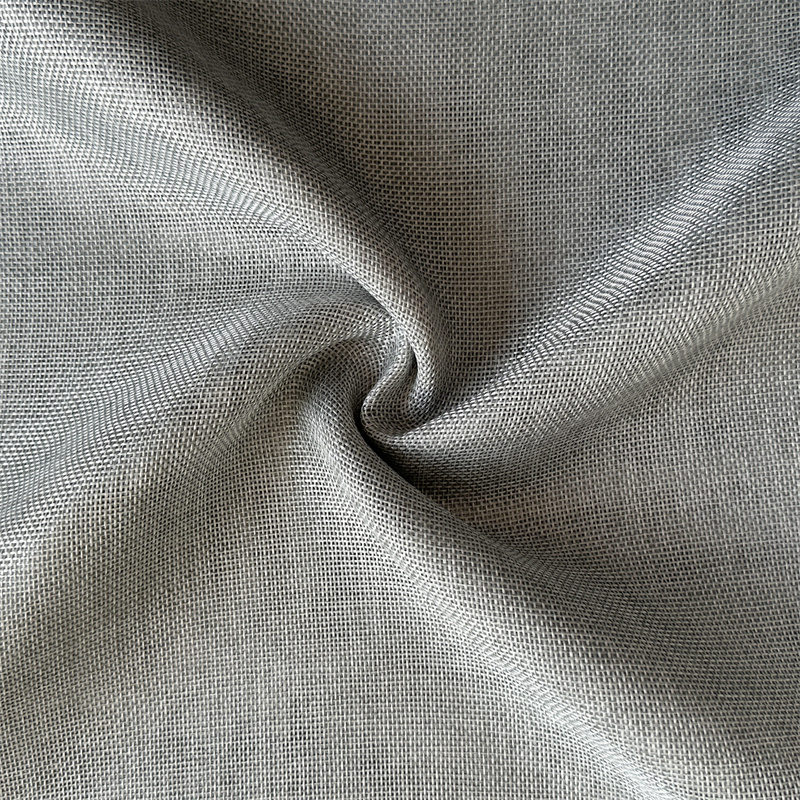
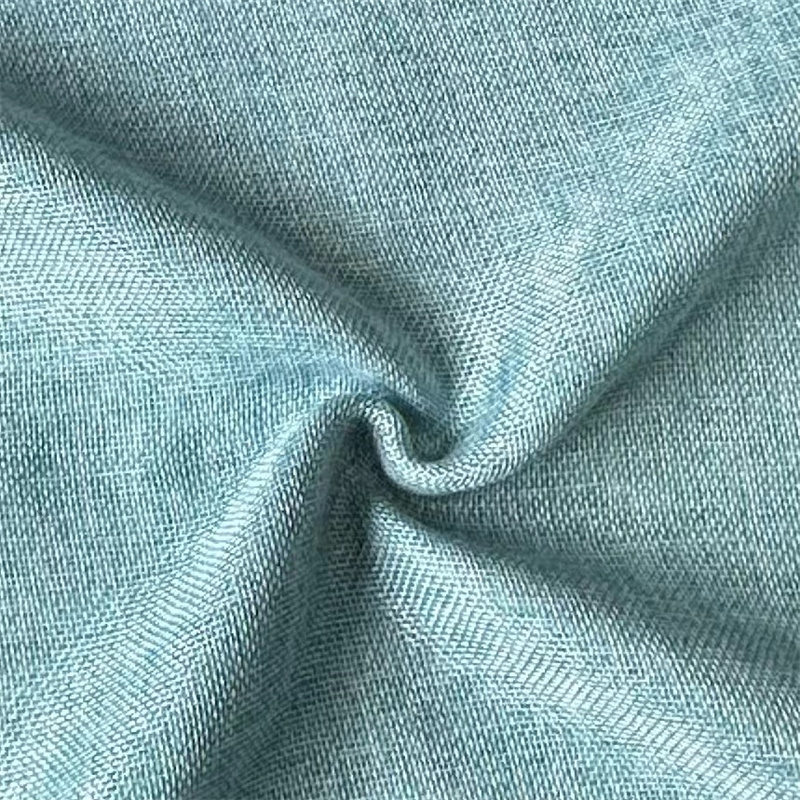
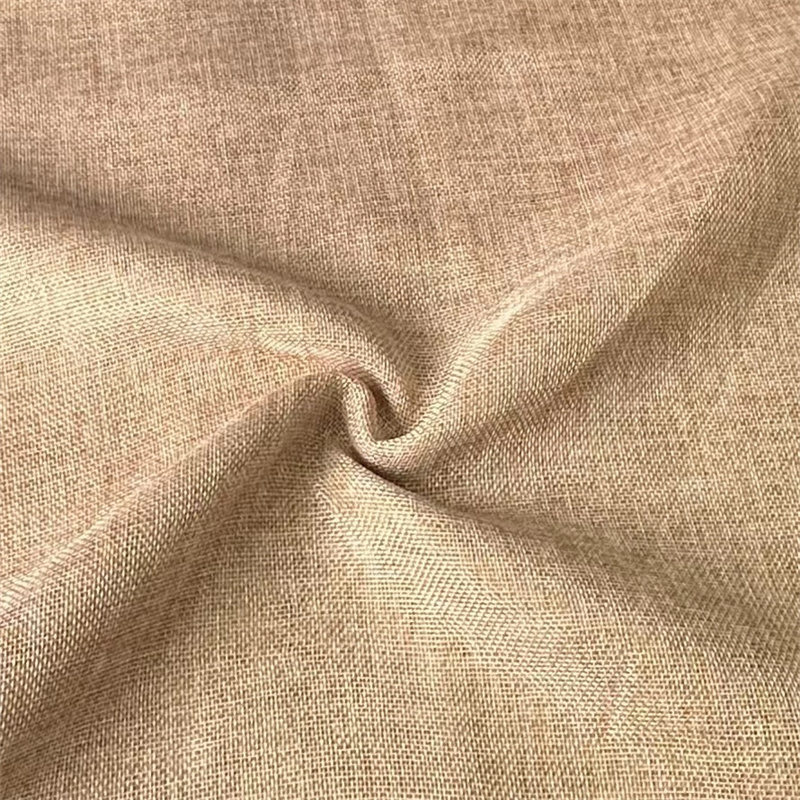
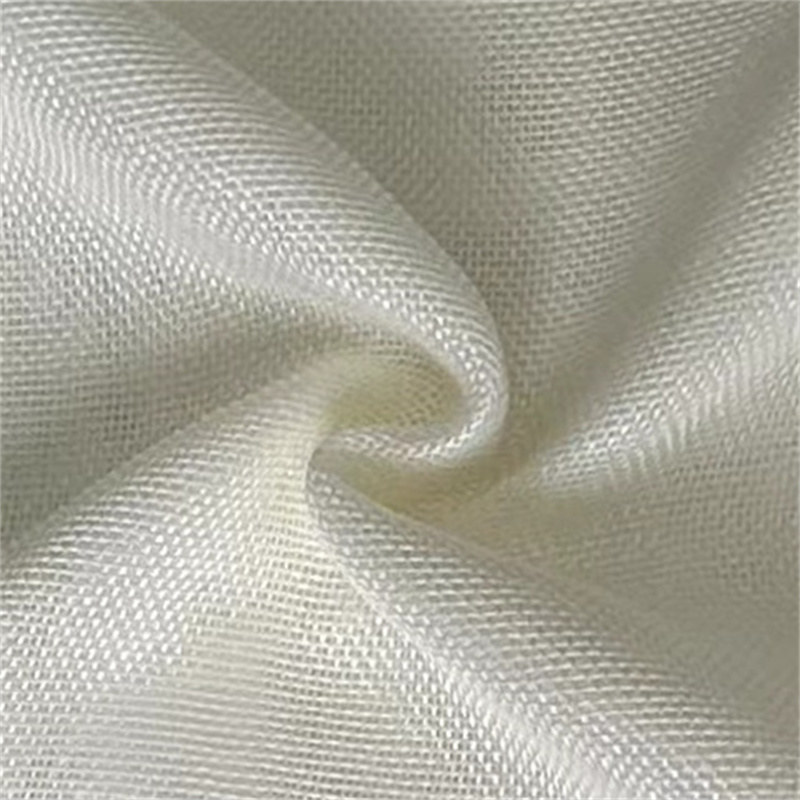
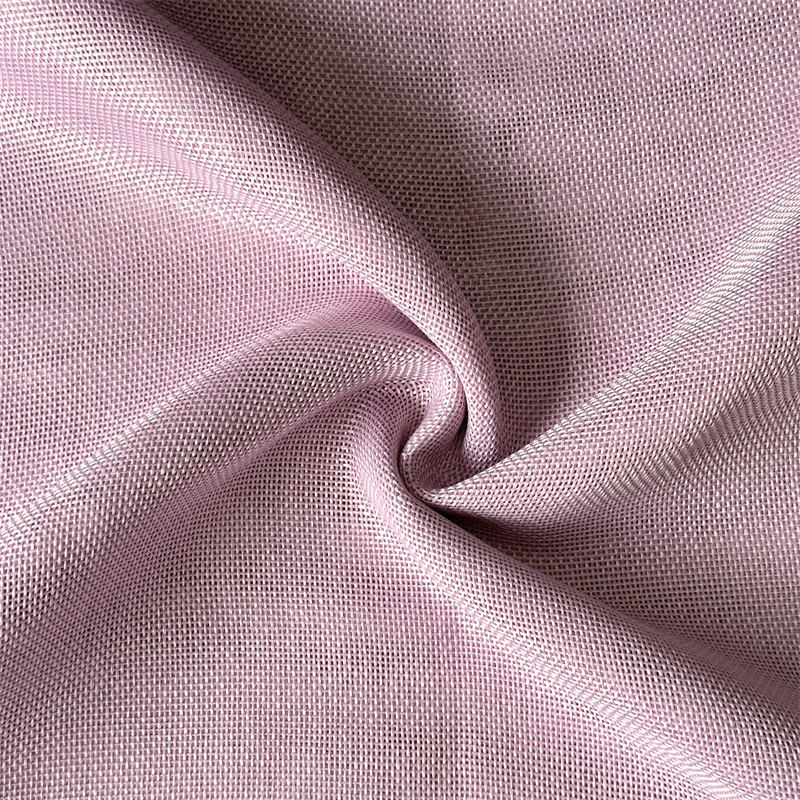
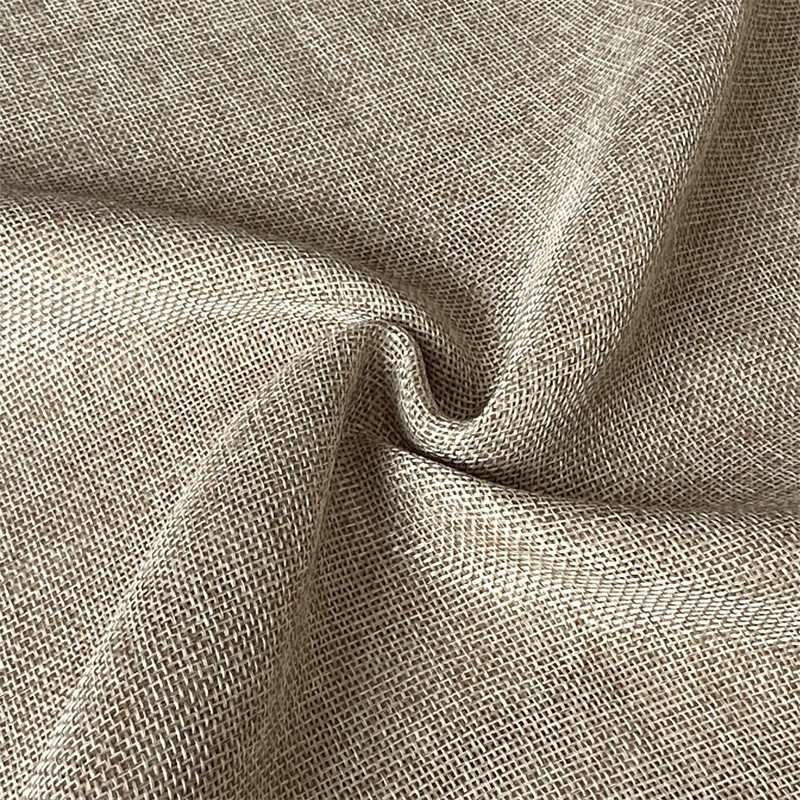
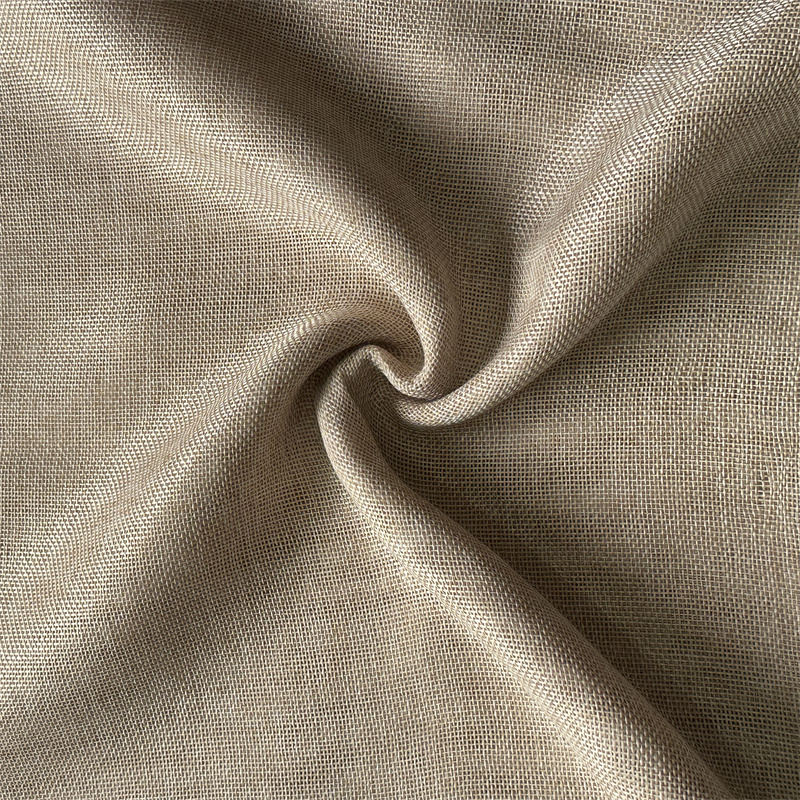
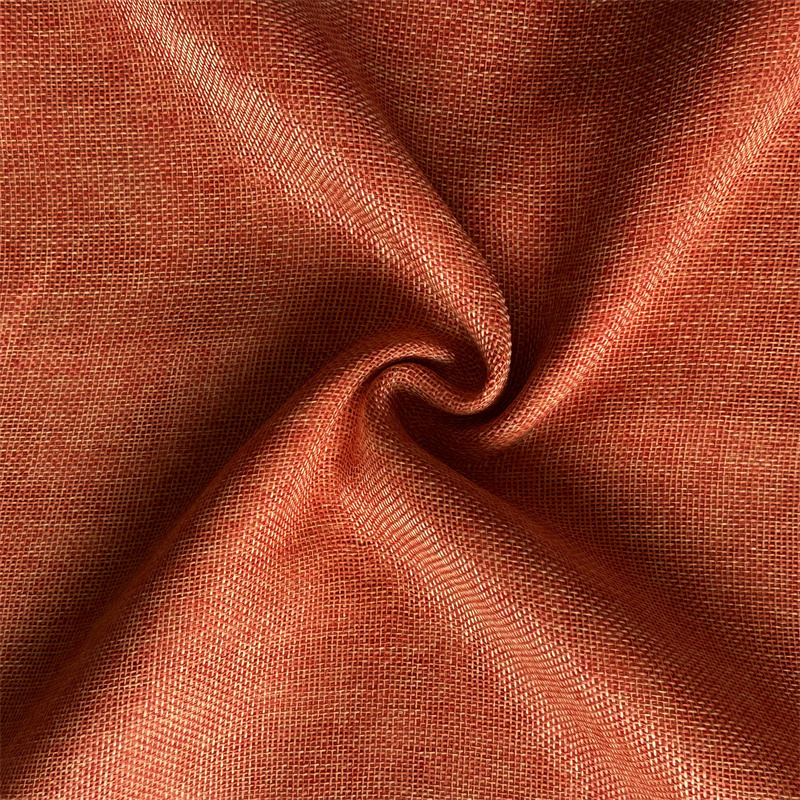 Polyester Linen Fabric Category and Color VariantsCategory listing for polyester linen variants that mimic natural linen, offering durable, colorfast, easy-care options for upholstery, curtains, table linens, and outdoor covers.View Product →
Blends and specialty weaves
Blends combine fibers to balance cost, feel, and performance. A cotton-polyester blend may offer cotton's comfort with polyester's strength. Specialty weaves such as jacquard, satin, chenille, and corduroy add texture and visual depth. Jacquard fabrics, for instance, can create intricate patterns directly in the weave, which is useful for statement chairs in lobbies, restaurants, and homes. These fabrics often need a bit more care during cleaning, but they reward that care with a distinctive look.
 Polyester Cotton Viscose Jacquard Fabric for Upholstery and ApparelPatterned jacquard fabric with soft texture, drape, and color depth, suited to upholstery, curtains, table linens, apparel, and DIY projects.View Product →
How Different Materials Perform in Real Life
The table below offers a simplified comparison of common chair fabric materials. Real performance also depends on weave density, finish, backing, and the quality of the yarn, so treat this as a starting point rather than a final verdict.
| Material | Feel | Durability | Maintenance | Best For |
|---|---|---|---|---|
| Cotton | Soft, breathable | Moderate | Spot clean; may wrinkle | Casual chairs, slipcovers |
| Linen | Crisp, natural | Moderate | Professional cleaning preferred | Dining chairs, living rooms |
| Wool | Warm, resilient | High | Vacuum; spot clean | Formal seating, offices |
| Polyester | Varies; can mimic linen | High | Easy to clean | Family homes, hospitality |
| Nylon | Smooth, strong | Very high | Resists stains | High-traffic commercial use |
| Acrylic | Soft, wool-like | Moderate to high | Fade resistant | Sunny rooms, outdoor areas |
| Rayon | Silky, smooth | Low to moderate | Delicate; needs care | Accent chairs, low-traffic rooms |
Notice that no single row wins in every column. A chair used by toddlers and dogs has different requirements from a reading chair in a quiet study. That is why experienced buyers often choose a fabric based on the chair's location and expected use, not just on the fiber name.
Matching Chair Fabric to the Way You Live
Homes with kids and pets
For family homes, prioritize tight weaves, darker colors, and materials that resist staining and pilling. Polyester blends and performance fabrics are common picks because they tolerate frequent cleaning. A subtle pattern can also hide small marks better than a solid light color.
Offices, lobbies, and commercial seating
Commercial chairs need abrasion resistance and colorfastness. Wool and nylon are traditional workhorses, while high-density polyester has become a practical alternative. In these settings, consistent dye lots and easy replacement matter as much as the initial appearance.
Dining chairs and accent chairs
Dining chairs see food, drinks, and constant movement. Stain-resistant finishes and removable covers are helpful. Accent chairs, by contrast, can prioritize texture and pattern because they are used less intensely. Satin and jacquard can bring a luxurious touch without sacrificing too much practicality when they are chosen with care.
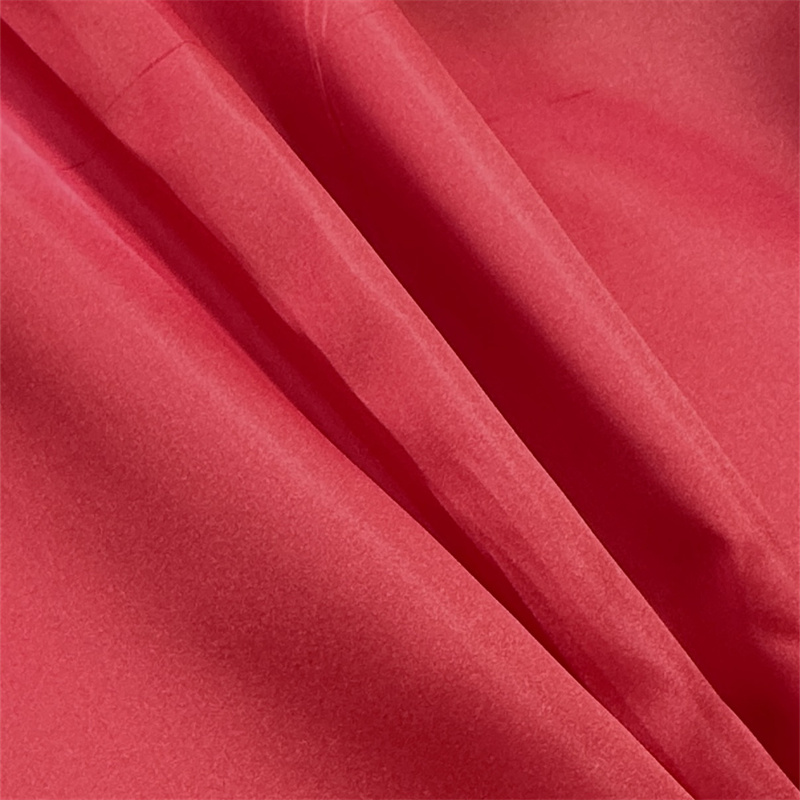 Satin Fabric Category for Fashion, Home Decor, and CraftsSatin fabric with smooth texture and glossy face, available in silk, polyester, and nylon options for eveningwear, bedding, curtains, decorations, and DIY.View Product →
Key Factors Beyond the Fiber Content
Abrasion resistance and double rubs
Abrasion resistance is often measured in double rubs. A higher number generally means the fabric can withstand more rubbing before showing wear. For heavy-use chairs, look for a higher double-rub count, but remember that weave structure and yarn quality also matter.
Pilling, colorfastness, and stain resistance
Pilling happens when loose fibers ball up on the surface. Tightly spun yarns and good finishing reduce pilling. Colorfastness matters if the chair sits near a window, and stain resistance can be built into the fiber or added through a finish. Always test a hidden area before using any cleaning product.
Breathability and comfort
Breathability affects how a chair feels in warm rooms. Natural fibers such as cotton and linen are naturally breathable, while some synthetic fabrics can feel warmer. However, modern weaves can improve airflow. If you are curious about how a specific synthetic option performs, you can read our notes on how polyester linen handles moisture and breathability. It is a useful reminder that fiber type is only one part of the story.
Sustainability and indoor air quality
Sustainability in upholstery can mean recycled fibers, low-emission finishes, or durable fabrics that delay replacement. Indoor air quality is another consideration, especially for chairs used in bedrooms and offices. Ask suppliers about finishes, adhesives, and certifications when these factors matter to your project.
A Practical Approach from a Fabric Mill
We have been weaving and supplying fabrics since 2016, and one lesson stands out: there is no universal best chair fabric material. The right choice depends on where the chair lives, who uses it, and how much care you are willing to give. In our own production, we see polyester linen, jacquard, satin, and other constructions working well in different seating contexts, from casual home chairs to hospitality projects. Polyester linen, for example, offers a natural linen look with the consistency and cleanability that many busy spaces need. Jacquard brings pattern and depth without printing, while satin adds a smooth, light-reflecting surface for more decorative chairs.
If you are comparing options for a specific project, start with the performance requirements, then narrow the choices by feel and appearance. That order keeps the decision grounded in real use rather than showroom looks alone. Our team is always happy to discuss how different weaves and fiber blends can be adapted to your chair design, climate, and maintenance routine.
Final Thoughts
Chair fabric material is a practical choice with visible and invisible consequences. Natural fibers bring breathability and character; synthetics bring durability and easy care; blends and specialty weaves offer a middle path. By thinking about abrasion, cleaning, sunlight, and daily habits before you fall in love with a swatch, you can choose a fabric that keeps its looks and comfort for years. The best chair fabric is not the most expensive or the most technical one, but the one that fits the life of the chair.