

 中文简体
中文简体 Español
Content
What Is Imitation Silk Fabric?
Imitation silk fabric is a broad category of textiles engineered to replicate the visual sheen, smooth hand feel, and elegant drape of natural silk without using silk filaments produced by silkworms. These fabrics are manufactured from synthetic fibres — most commonly polyester, nylon, or rayon — that are woven or knitted using techniques specifically designed to mimic the light-reflective surface and fluid movement that make real silk so desirable. The term covers everything from budget polyester satin used in fast-fashion garments to high-quality charmeuse-weave fabrics used by professional dressmakers and upholstery specialists who need the aesthetic of silk at a fraction of the cost and with significantly better durability and washability.
The demand for imitation silk fabric is substantial and growing across multiple industries. Fashion designers use it for eveningwear, blouses, and linings. Home décor specialists specify it for curtains, cushion covers, and bedding. Theatrical and costume production relies on it for stage costumes that must endure repeated use. The key reasons for its widespread adoption are cost — natural silk commands a significant price premium — and practicality, since most imitation silk fabrics are machine washable, more resistant to fading, and far more dimensionally stable than the real fibre they replicate.
Common Types of Imitation Silk Fabric
Not all imitation silk fabrics are the same. Different fibre compositions and weave structures produce distinctly different results in terms of appearance, texture, weight, and performance. Understanding the main types helps you select the right fabric for a specific project rather than making a choice based on marketing descriptions alone.
Polyester Satin
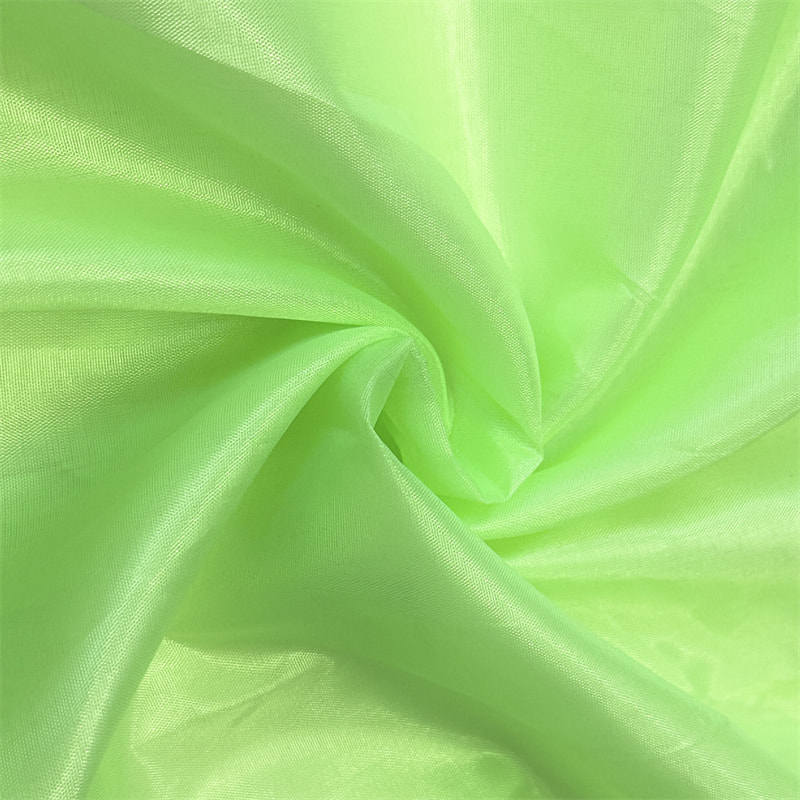
Polyester satin is the most widely available and least expensive imitation silk fabric. It uses a satin weave structure — where warp threads float over multiple weft threads — to create a smooth, glossy face with a matte reverse. The polyester filaments are extruded to a fine denier and heat-set during finishing to lock in a permanent sheen. Polyester satin is highly resistant to wrinkles, retains its colour well under UV exposure, and is fully machine washable. Its main drawback is that it does not breathe and can feel uncomfortably warm against the skin in hot weather. It is best suited to eveningwear, costume lining, cushion covers, and decorative applications where breathability is not a priority.
Polyester Charmeuse
Polyester charmeuse is a lighter, more fluid version of polyester satin, woven with a higher thread count and a more pronounced satin float ratio. The result is a fabric that drapes exceptionally well, clings softly to the body, and produces a luminous sheen that more closely approximates the appearance of real silk charmeuse than standard satin. It is softer to the touch than basic polyester satin and flows more naturally in movement. Polyester charmeuse is the fabric of choice for imitation silk blouses, slip dresses, lingerie, and bridal accessories where fluid drape and a luxurious appearance are required at an accessible price point.
Rayon (Viscose) Silk-Look Fabric
Rayon — also known as viscose — is a semi-synthetic fibre derived from regenerated cellulose, typically wood pulp. Because it originates from a natural cellulose source, rayon has a moisture absorption and breathability profile much closer to natural silk than polyester. Rayon imitation silk fabrics are cooler against the skin, less prone to static, and drape more naturally than their fully synthetic counterparts. However, rayon is significantly less durable than polyester: it weakens when wet, is prone to shrinkage unless pre-shrunk, and requires more careful laundering. High-quality viscose satin and viscose charmeuse are popular choices for fashion garments where comfort and natural fibre behaviour are important.
Nylon Taffeta and Nylon Satin
Nylon imitation silk fabrics offer a crisp hand feel and a bright, cool lustre that is distinct from the warmer sheen of polyester. Nylon taffeta — a plain-weave nylon fabric with a characteristic rustle — is widely used in bridal wear, evening gown underlayers, and structured fashion applications where body and crispness are required rather than fluid drape. Nylon satin produces a slightly harder, colder sheen than polyester charmeuse but is exceptionally strong, abrasion-resistant, and colourfast. Nylon fabrics are generally more expensive than equivalent polyester options but less expensive than rayon, sitting between the two in both cost and performance.
Microfibre Silk-Touch Fabrics
Microfibre imitation silk is produced from ultra-fine polyester or nylon filaments — typically less than one denier per filament — that are woven into a dense, exceptionally soft fabric. The fineness of the fibres creates a surface that is genuinely soft to the touch, reduces the plasticky feel associated with coarser polyester fabrics, and produces a subtle sheen rather than the high gloss of standard satin. Microfibre silk-touch fabrics are particularly popular for bedding — pillowcases, duvet covers, and flat sheets — where softness against the skin overnight is the primary requirement and the high maintenance demands of real silk are undesirable.
Imitation Silk vs Real Silk: Key Differences
Understanding where imitation silk fabric genuinely falls short of the real fibre — and where it actually outperforms it — allows you to make rational purchasing decisions rather than assuming one is always superior to the other. The table below provides a direct comparison across the characteristics that matter most in practical use.
| Characteristic | Natural Silk | Imitation Silk |
| Cost | High to very high | Low to moderate |
| Breathability | Excellent | Poor (polyester) to good (rayon) |
| Drape | Excellent | Good to excellent (charmeuse) |
| Durability | Moderate | Good to excellent (polyester) |
| Washability | Delicate / dry clean | Machine washable (most types) |
| Colour Retention | Can fade in UV | Excellent (polyester) |
| Static | Low | Moderate to high (polyester) |
| Appearance | Warm, complex sheen | Bright, uniform gloss |
Best Applications for Imitation Silk Fabric
Imitation silk fabric is not a universal substitute for real silk, but in a wide range of applications it is the more practical and cost-effective choice. Knowing which applications benefit most from imitation silk helps you avoid situations where the limitations of the fabric become a problem.
- Eveningwear and occasionwear: Polyester charmeuse and satin are ideal for formal dresses, skirts, and blouses that will be worn infrequently, dry-stored, and need to hold their appearance for special occasions. The visual impact is very close to real silk at a fraction of the cost.
- Costume and theatrical production: Stage costumes must be durable, repeatedly washable, and cost-effective to produce in quantity. Imitation silk — particularly polyester satin and taffeta — meets all three requirements while reading beautifully under stage lighting.
- Home décor and soft furnishings: Curtains, cushion covers, table runners, and decorative pillowcases in imitation silk create a luxurious visual effect in interior design schemes without the fragility and cost of real silk soft furnishings. Polyester versions are also significantly more resistant to sun fading, which is critical for window treatments.
- Bedding and pillowcases: Microfibre silk-touch bedding offers the smooth surface associated with silk pillowcases — which is marketed as beneficial for hair and skin — with the practical advantage of machine washability at 40°C and straightforward care.
- Garment lining: Polyester satin lining fabric is the industry-standard lining material for tailored jackets, coats, and formal trousers. It reduces friction between the outer garment shell and the wearer's clothing, helps the garment hang correctly, and is available in an enormous range of colours at very low cost per metre.
- Scarves and accessories: Imitation silk scarves, pocket squares, and hair accessories produce a visually similar result to real silk accessories at a price point accessible to a much wider market. Polyester versions are also more resistant to snags from jewellery and rough surfaces than delicate real silk.
How to Identify Quality Imitation Silk Fabric
The quality range within imitation silk fabric is wide. A low-quality polyester satin and a premium microfibre charmeuse are both technically imitation silk, but they behave and look completely differently in use. Evaluating fabric quality before purchasing — whether in person or online — requires assessing several specific characteristics.
Thread Count and Yarn Denier
Higher thread count fabrics with finer denier yarns produce a smoother, more refined surface with a softer hand feel and a more subtle, complex sheen. Fabrics woven from 30-denier or finer filaments will feel genuinely soft and drape fluidly, while fabrics using 75-denier or heavier yarns feel stiffer, have a more plastic appearance, and drape less naturally. When purchasing online, look for denier and thread count specifications in the product description — suppliers who provide this data are generally more reliable than those who describe fabric quality only in vague terms.
Weight in Grams per Square Metre (GSM)
Fabric weight is one of the most useful indicators of quality and appropriate use in imitation silk. Lightweight charmeuse fabrics for blouses and scarves typically fall in the 75–100 GSM range. Medium-weight satin for dresses and home décor applications typically measures 110–140 GSM. Heavy satin for structured garments, upholstery, and curtaining ranges from 150 GSM upward. Requesting or verifying the GSM specification before ordering ensures the fabric has the appropriate weight and body for the intended application.
Sheen Quality and Uniformity
High-quality imitation silk has a consistent, even sheen across the entire fabric surface with no dull patches, weave irregularities, or streaks. When examining fabric in person, hold it up to a light source and look across the surface at a low angle — any inconsistencies in the weave or finishing will be immediately visible. Online purchases should always include a sample order before committing to large quantities for a project, as screen colour calibration varies significantly between monitors and the actual fabric colour and sheen can differ substantially from product photography.
Caring for Imitation Silk Fabric
One of the practical advantages of imitation silk over real silk is that most varieties are significantly easier to care for at home. However, care requirements do vary between fibre types, and following the correct procedure for the specific fabric in your garment or project will prevent shrinkage, distortion, colour loss, and surface damage.
- Polyester imitation silk: Machine washable at 30°C on a gentle cycle. Use a mesh laundry bag to prevent snags. Tumble dry on low heat or air dry flat to avoid permanent creasing. Iron on a low synthetic setting with a pressing cloth between the iron and fabric to prevent melting or glazing the surface.
- Rayon/viscose imitation silk: Hand wash in cool water with a gentle detergent, or machine wash on a delicate cycle in a laundry bag. Never wring or twist wet rayon as it weakens significantly when saturated. Lay flat to dry to prevent stretching on the bias. Iron while still slightly damp on a cool setting.
- Nylon imitation silk: Machine washable at 30°C. Avoid high heat in drying and ironing as nylon has a relatively low melting point. Nylon is prone to yellowing if exposed to high temperatures over time, so air drying in shade is preferable to tumble drying.
- Storage: Store imitation silk garments folded in acid-free tissue paper or hung on padded hangers in a cool, dry wardrobe away from direct sunlight. Prolonged UV exposure causes polyester fabrics to yellow and weakens rayon fibres over time, even without washing.
Buying Imitation Silk Fabric: What to Look For
When purchasing imitation silk fabric, whether for garment making, home décor, or commercial production, the most important factors to verify are fibre composition, weave structure, weight, and width. Fibre composition determines breathability, durability, and care requirements — always check the fabric content label or product specification rather than relying on descriptions such as "silk-like" or "satin finish," which describe appearance rather than fibre. Weave structure determines drape and sheen quality — charmeuse and satin weaves produce the most convincing silk approximation, while plain-weave polyester simply will not replicate the fluid movement of silk regardless of its surface finish. Fabric width affects how efficiently you can cut pattern pieces and directly impacts cost per garment — standard widths are 110cm, 140cm, and 150cm, with wider fabrics generally more economical for large pattern pieces. Finally, always order a sample before purchasing significant quantities of any new imitation silk fabric, particularly for online purchases, to verify that the actual colour, weight, and hand feel match your project requirements before committing to a full order.