

 中文简体
中文简体 Español
Content
Introduction to Fully Jacquard Fabrics
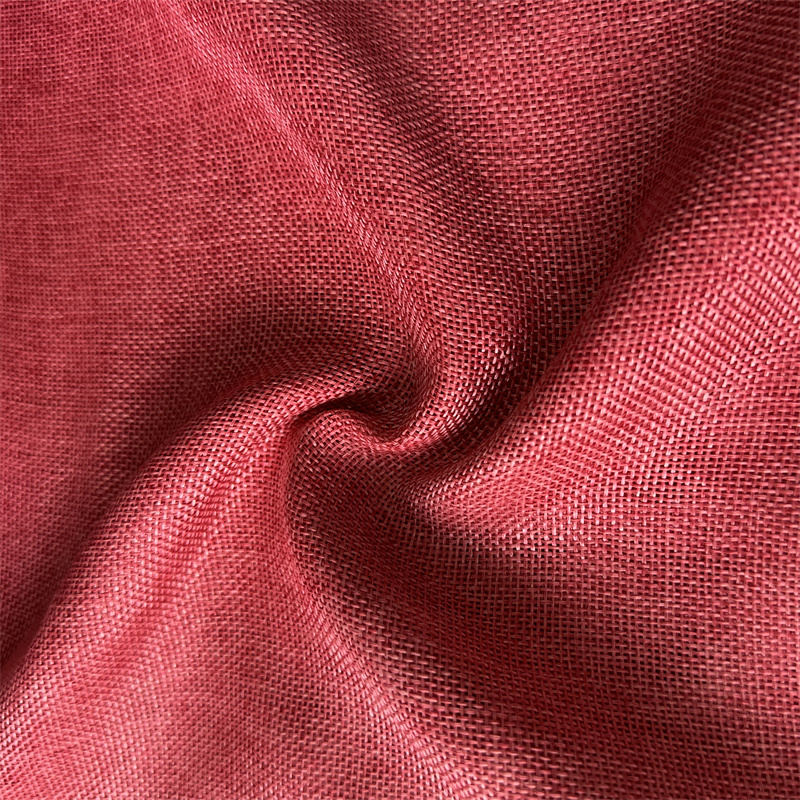
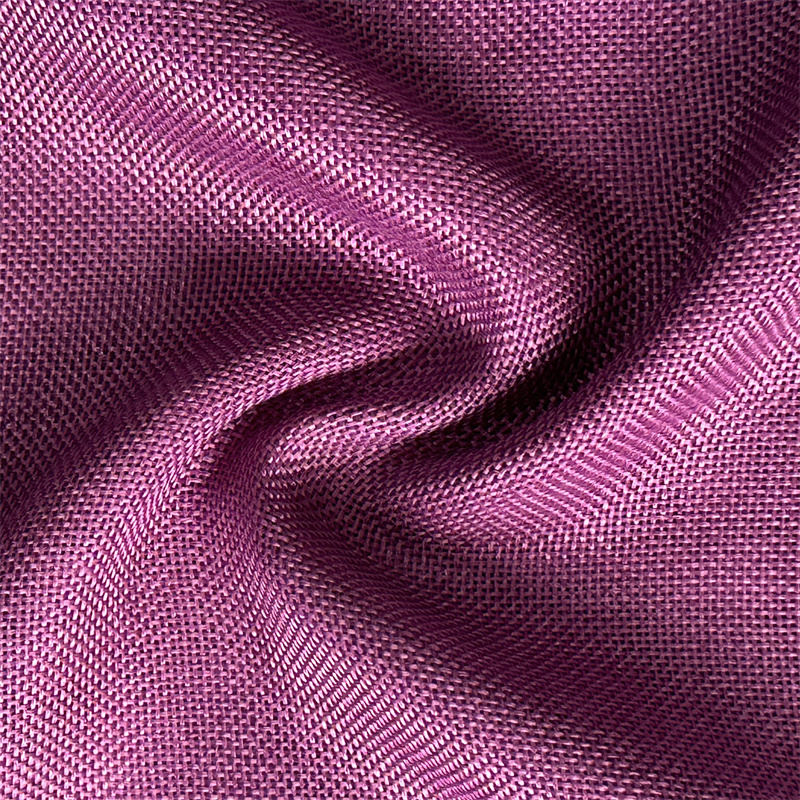
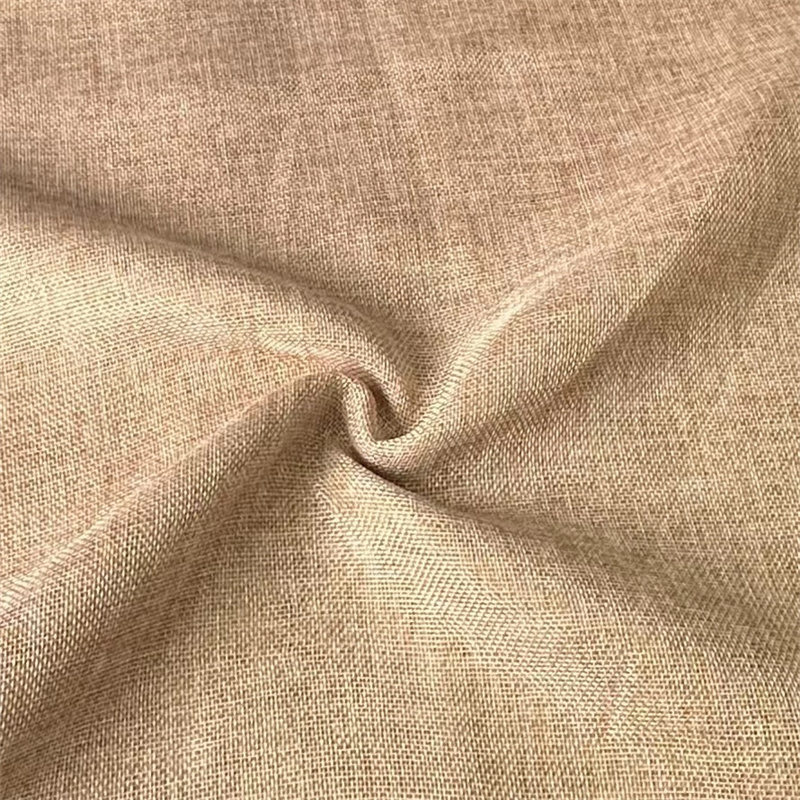
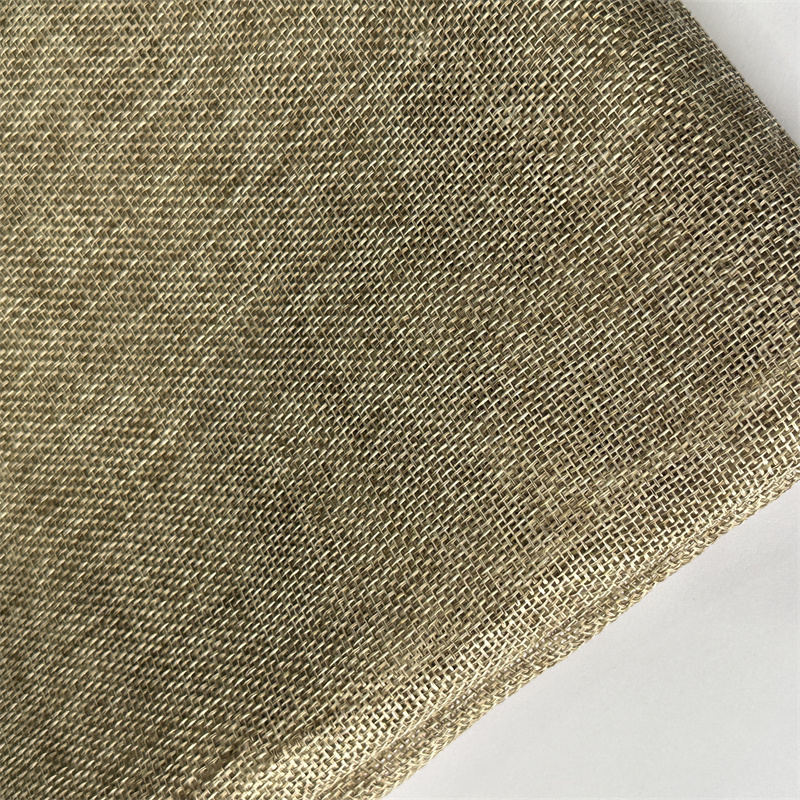
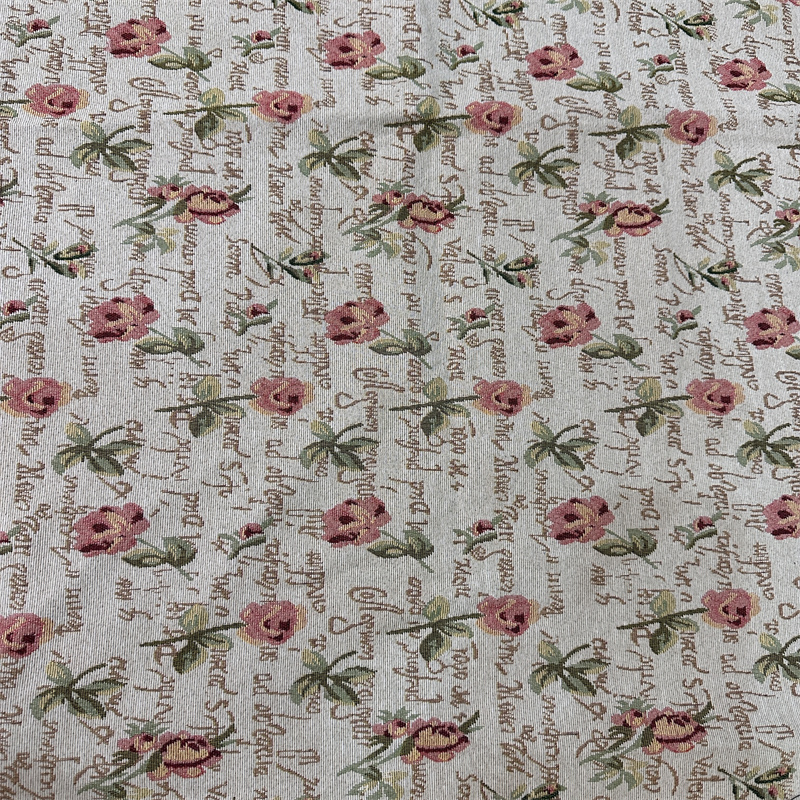
Fully jacquard fabrics represent a high level of textile craftsmanship where patterns are woven directly into the fabric rather than printed or embroidered. This technique allows intricate designs, including florals, geometrics, and abstract motifs, to appear naturally as part of the fabric structure. The combination of visual complexity and textile strength makes fully jacquard fabrics highly valued in both fashion and interior applications.
Beyond aesthetics, these fabrics offer practical benefits including durability, wrinkle resistance, and high dimensional stability. Their dual advantage of functionality and beauty is why designers and manufacturers increasingly prefer them for high-quality garments, upholstery, and decorative applications.
Weaving Technique and Fabric Structure
Jacquard Loom Mechanism
The defining feature of fully jacquard fabrics is the use of a jacquard loom. This advanced loom allows each warp thread to be individually controlled, enabling highly detailed and complex patterns. Unlike traditional weaving where patterns are limited by the interlacing of threads, jacquard looms can produce virtually any design without additional embroidery or printing steps.
Fabric Density and Texture
Fully jacquard fabrics are usually tightly woven, which enhances durability and gives a smooth, structured texture. Depending on the choice of yarns—whether silk, cotton, wool, or synthetic blends—these fabrics can have varying degrees of softness, drape, and sheen. This versatility makes them suitable for both heavy upholstery and delicate apparel.
Practical Benefits in Apparel
Durability and Wear Resistance
Fully jacquard fabrics exhibit excellent durability due to the tight interlacing of threads. This construction resists abrasion and maintains the integrity of patterns even after repeated laundering or long-term wear. Garments made from these fabrics often retain their shape and visual appeal longer than fabrics with printed designs.
Design Versatility
Designers benefit from the ability to incorporate intricate patterns without additional surface treatment. Jacquard fabrics can include textures, raised motifs, and multi-colored threads in a single weaving process. This allows for creating statement pieces such as formal jackets, evening gowns, and luxury scarves where both aesthetic appeal and durability are critical.
Comfort and Breathability
While dense, fully jacquard fabrics can be engineered to maintain breathability by selecting appropriate fiber blends and weave densities. This ensures that clothing remains comfortable for daily wear while providing the structural integrity needed for high-end fashion.
Applications in Interior Design
Upholstery and Furniture
The robust construction of fully jacquard fabrics makes them ideal for upholstery. Their tightly woven patterns resist pilling and wear, making them suitable for frequently used furniture such as sofas, armchairs, and headboards. The ability to integrate multi-dimensional textures also enhances the visual appeal of living spaces.
Curtains and Drapery
Jacquard fabrics provide excellent drape and opacity, making them suitable for curtains that require both aesthetic charm and functional benefits. The woven patterns add depth and sophistication to any room, while the structural integrity ensures that curtains hang evenly and maintain shape over time.
Decorative Accessories
From cushion covers to table runners, jacquard fabrics enhance home décor with complex patterns that do not fade or peel. Their practical strength allows repeated washing without loss of form, ensuring long-lasting decorative appeal.
Comparison with Other Fabrics
Fully jacquard fabrics outperform many alternative textiles in both aesthetic and functional criteria. The following table highlights differences between jacquard fabrics and other common fabrics such as printed cotton or embroidered silk:
| Feature | Printed Cotton | Embroidered Silk | Fully Jacquard |
| Pattern Durability | Medium | High | Very High |
| Fabric Strength | Medium | Medium | High |
| Maintenance | Low to Medium | Medium | Low |
| Aesthetic Complexity | Low | Medium | Very High |
Care and Maintenance Tips
Washing and Cleaning
Fully jacquard fabrics often require gentle washing to maintain pattern integrity. Use mild detergents, cold water, and avoid high-speed spin cycles. For upholstery, regular vacuuming and spot cleaning preserve texture and prevent dirt from embedding into the weave.
Ironing and Storage
When ironing, always use a low-temperature setting and press on the reverse side if possible. Store fabrics in a dry, well-ventilated environment to prevent moisture damage and mildew growth. Proper folding or rolling helps maintain pattern integrity and prevents creasing.
Conclusion
Fully jacquard fabrics combine aesthetic elegance with practical functionality, making them an ideal choice for both fashion and interior design applications. Their durability, design versatility, and low maintenance requirements allow designers and homeowners to enjoy beautiful, long-lasting textiles. Investing in fully jacquard fabrics ensures superior quality and a luxurious touch to garments, furniture, and decorative accessories.