

 中文简体
中文简体 Español
Content
- 1 What Is Chenille Fabric?
- 2 How Is Chenille Fabric Made?
- 3 What Are the Types of Chenille Fabric?
- 4 Where Is Chenille Fabric Used?
- 5 How to Care for Chenille Fabric?
- 6 What Are the Advantages of Chenille Fabric?
- 7 What Should You Consider When Choosing Chenille Fabric?
- 8 Conclusion: Why Is Chenille Fabric Popular?
What Is Chenille Fabric?
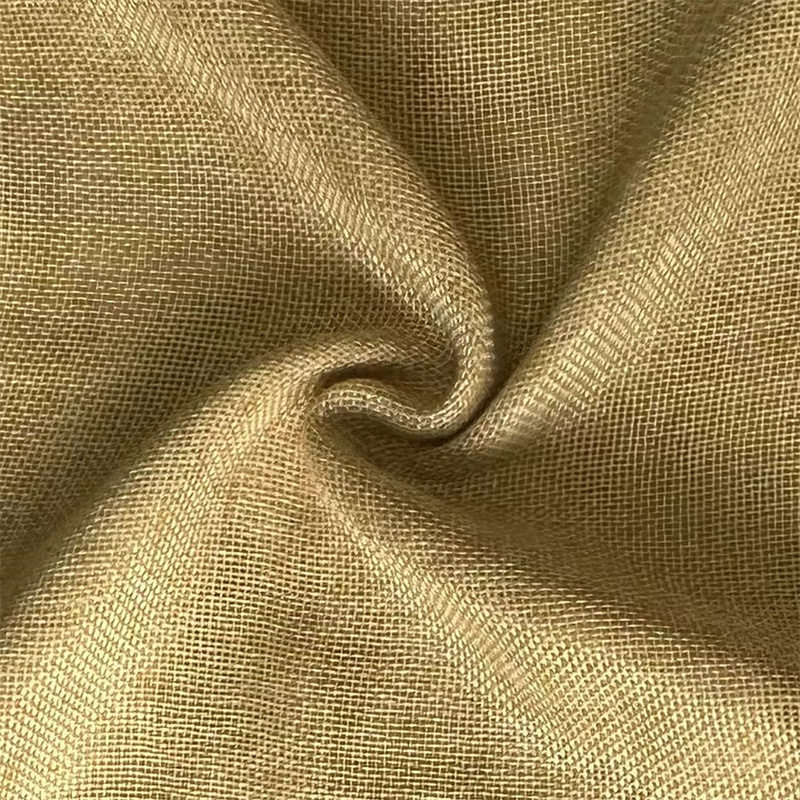
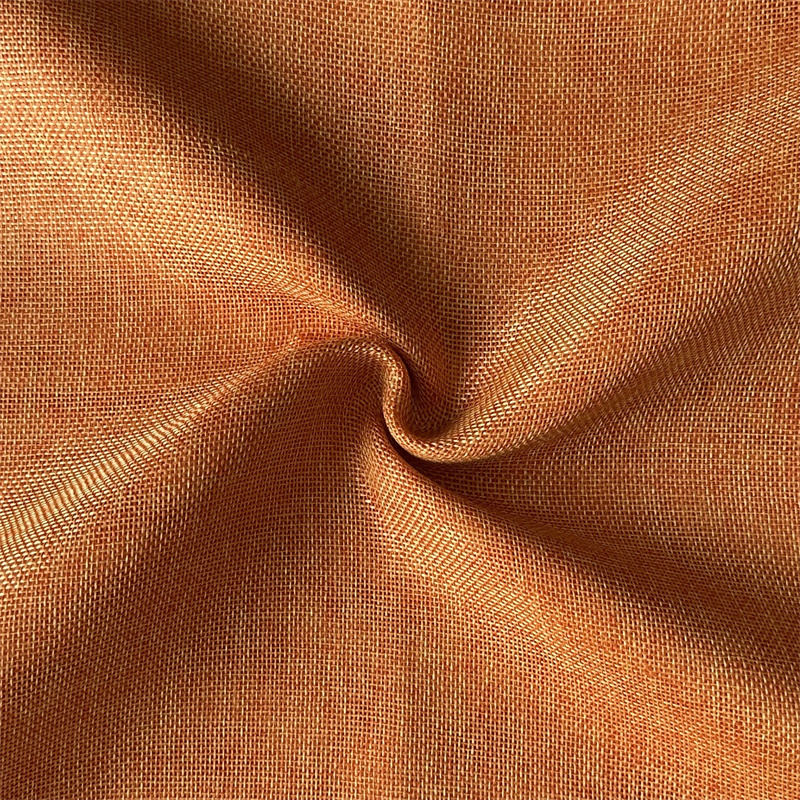
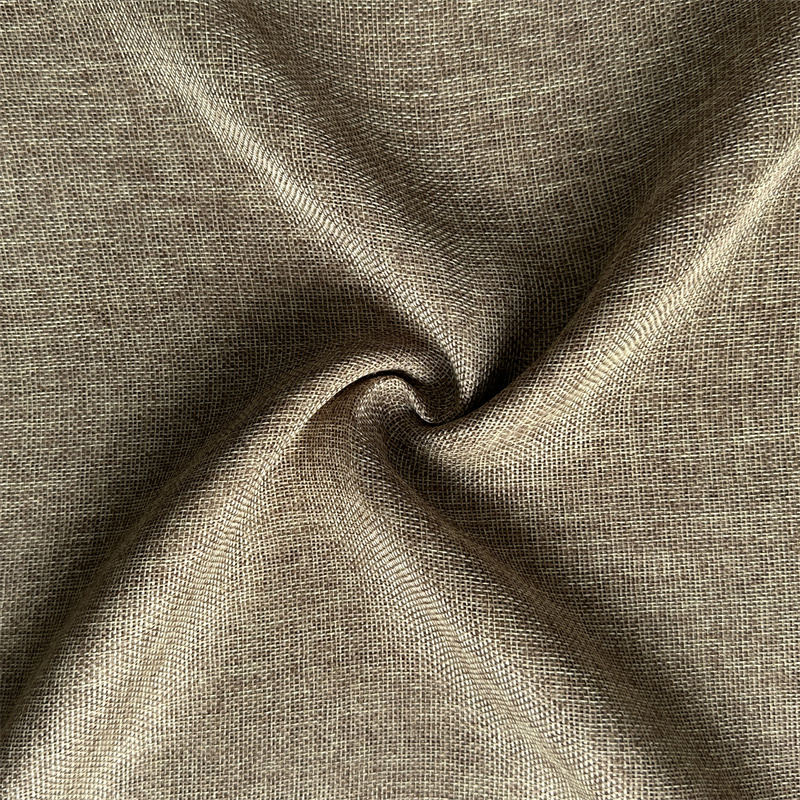
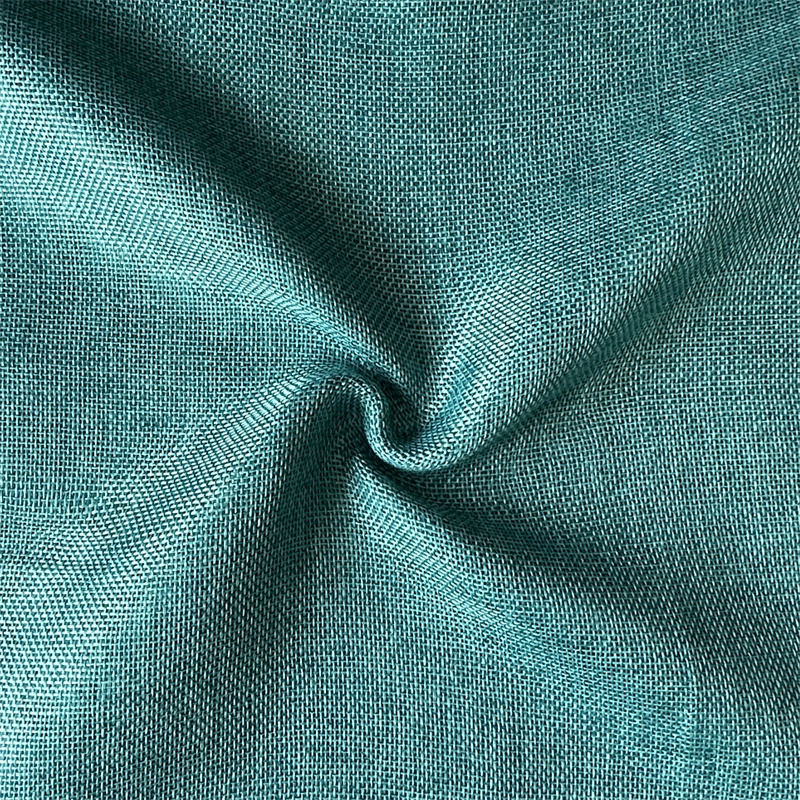
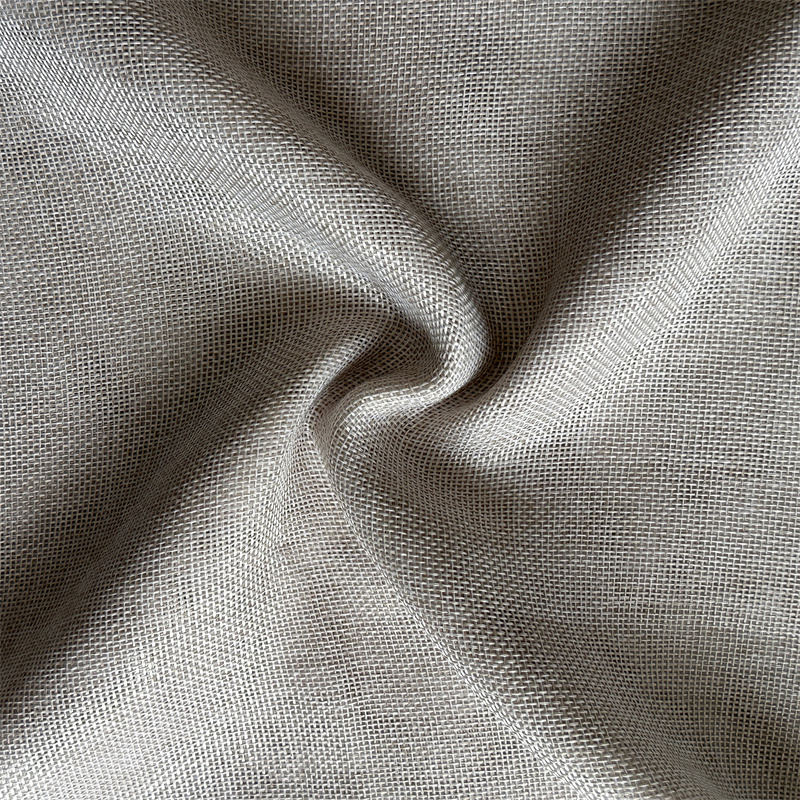
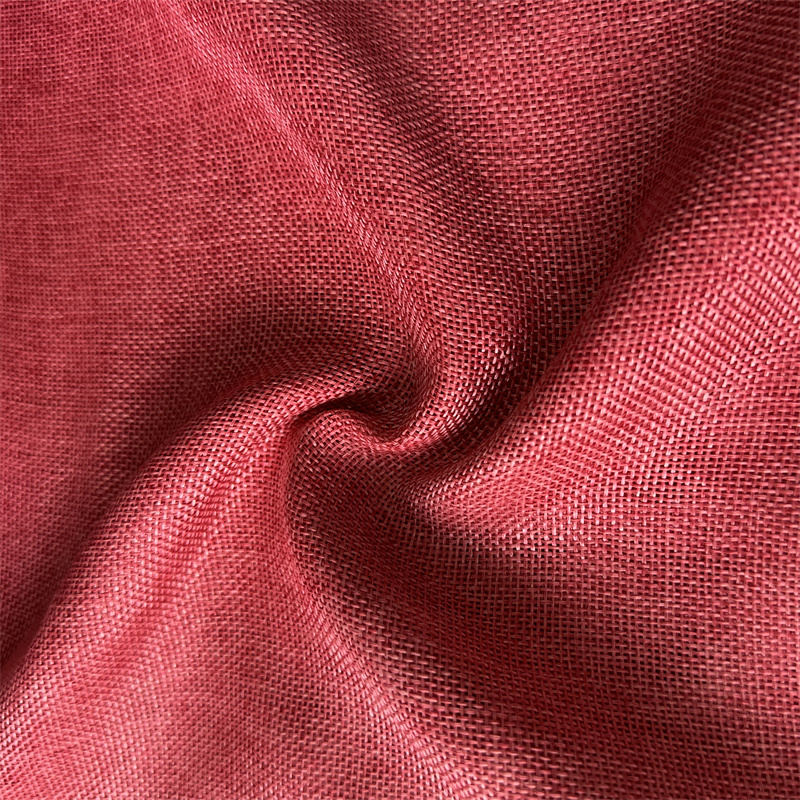
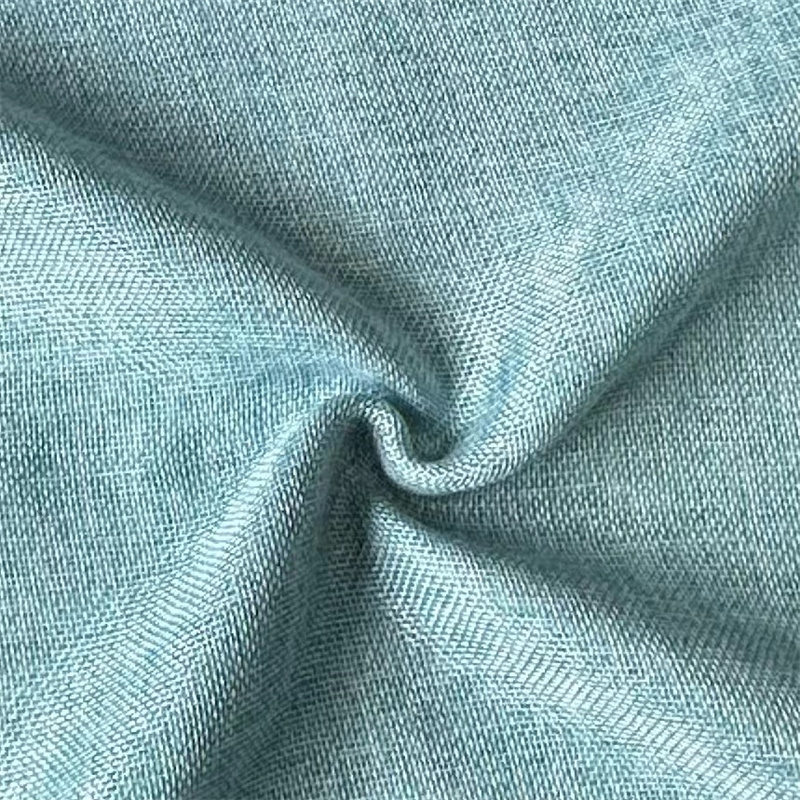
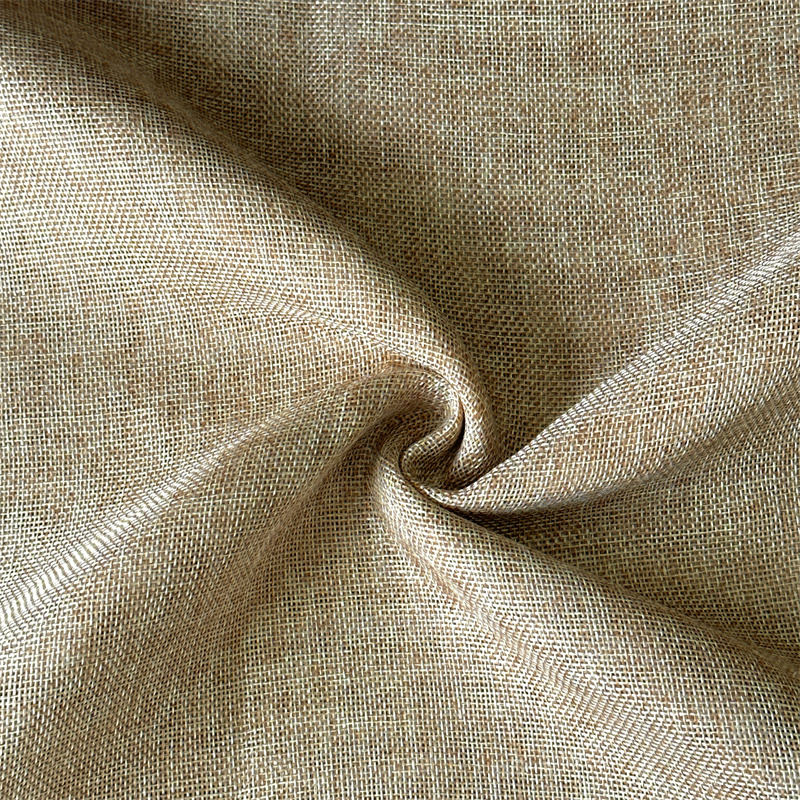
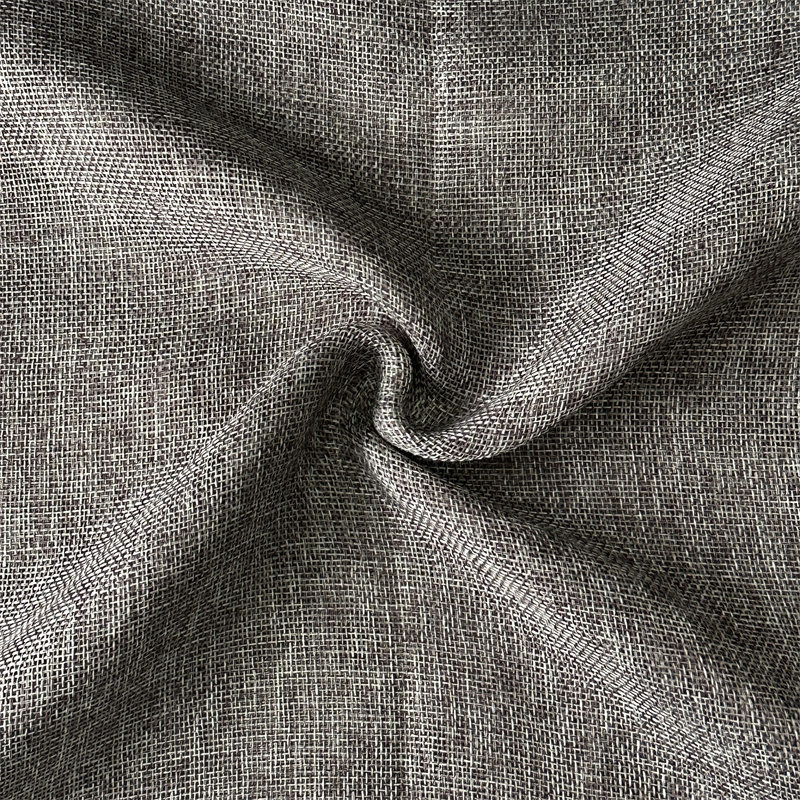
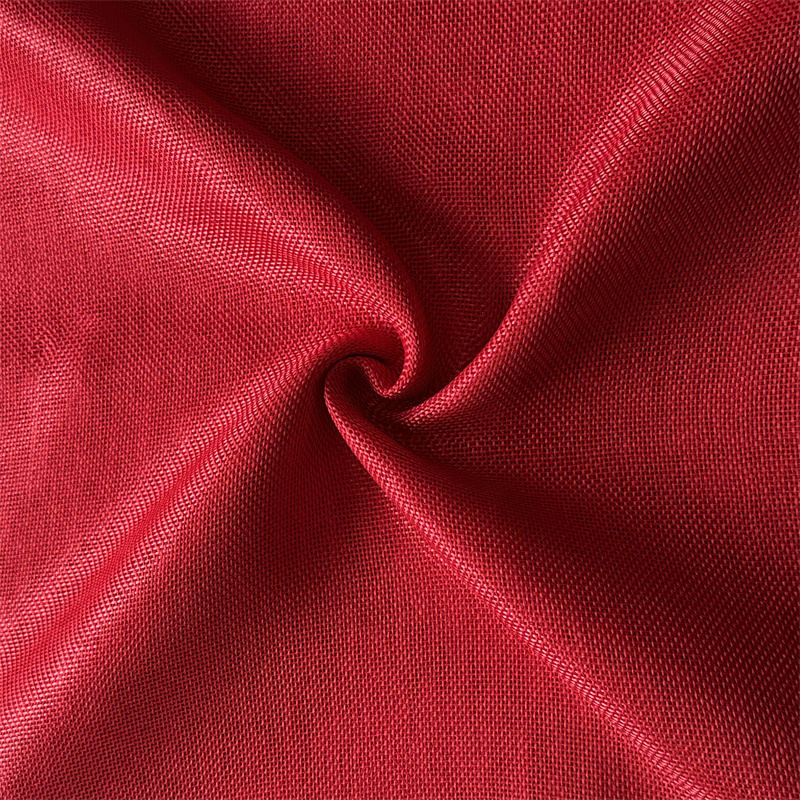
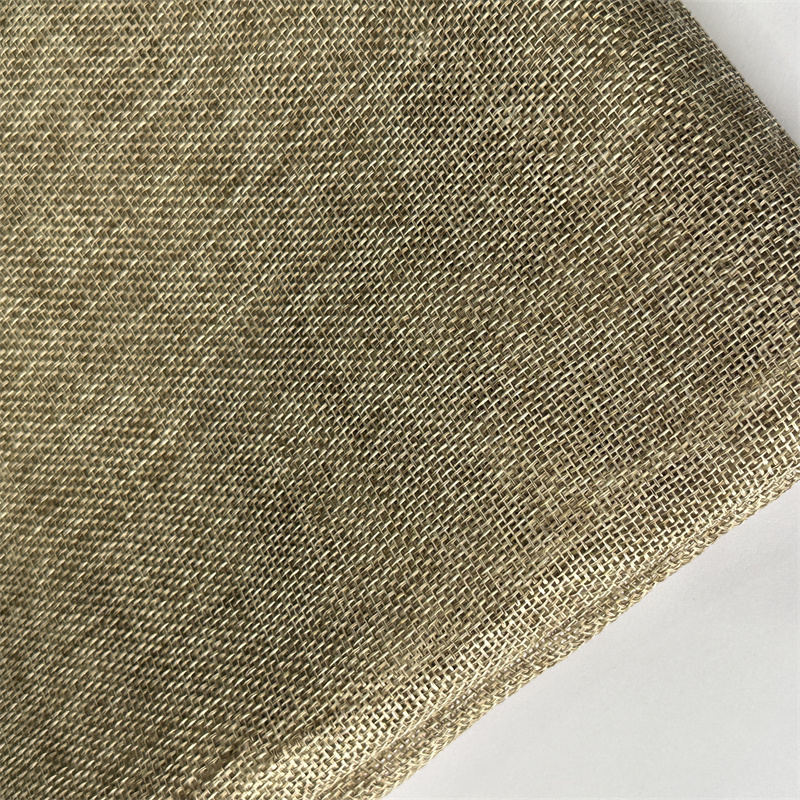
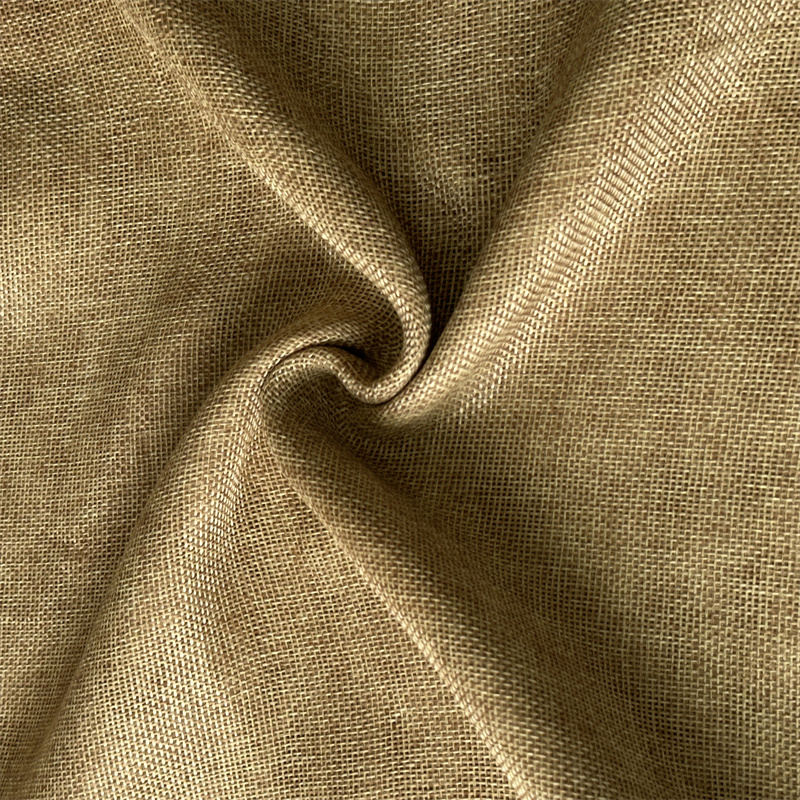
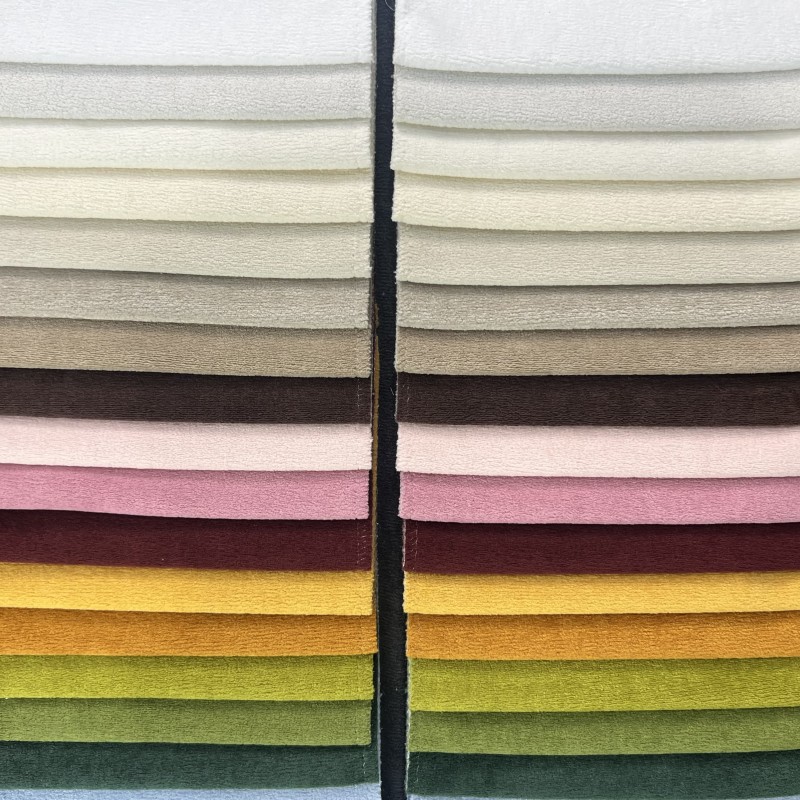
Chenille fabric is a type of textile characterized by its fuzzy, soft texture and plush pile. Derived from the French word "chenille," meaning caterpillar, it features short, raised fibers along the surface, creating a velvet-like feel. Chenille is widely used in home décor, apparel, and upholstery due to its luxurious appearance, durability, and cozy texture. The unique weaving and finishing process gives chenille its distinctive softness and warmth.
How Is Chenille Fabric Made?
Chenille fabric production involves a specialized weaving process that gives it its signature pile. The key steps include:
- Yarn Creation: Chenille yarn is made by cutting short lengths of fiber, twisting them around a core yarn to create a caterpillar-like effect.
- Weaving: The chenille yarn is woven into a base fabric using techniques like plain weave, satin weave, or twill to provide stability.
- Finishing: The fabric undergoes brushing or shearing to enhance softness and pile uniformity.
- Dyeing: Chenille can be dyed in solid colors, heathers, or gradients to achieve rich textures and visual effects.
What Are the Types of Chenille Fabric?
Chenille fabric comes in various types depending on fiber content, pile length, and weaving style. Common types include:
- Cotton Chenille: Soft, breathable, and ideal for casual apparel and bedspreads.
- Polyester Chenille: Durable, wrinkle-resistant, and widely used in upholstery and curtains.
- Acrylic Chenille: Lightweight, colorfast, and suitable for blankets and throws.
- Blended Chenille: Combines fibers like cotton-polyester or wool-acrylic for enhanced performance and texture.
Where Is Chenille Fabric Used?
Chenille fabric is valued for both aesthetics and functionality, making it versatile across industries. Typical applications include:
- Home Textiles: Upholstery, cushions, throws, bedspreads, and curtains due to its soft feel and visual appeal.
- Apparel: Jackets, sweaters, scarves, and loungewear that benefit from chenille's warmth and plush texture.
- Crafts and Decorations: Wall hangings, decorative trims, and embroidery projects leverage chenille’s tactile dimension.
- Commercial Interiors: Hotels, restaurants, and lounges use chenille for elegant seating, curtains, and soft furnishings.
How to Care for Chenille Fabric?
Proper care ensures longevity and maintains the softness of chenille fabrics. Guidelines include:
- Gentle Cleaning: Hand wash or machine wash on a delicate cycle with mild detergent to prevent damage to the pile.
- Avoid High Heat: Do not tumble dry on high heat; instead, air dry to retain softness and prevent shrinking.
- Vacuuming: Upholstery chenille should be regularly vacuumed to remove dust and prevent matting of fibers.
- Brushing: Use a soft-bristled brush to maintain the plush texture and revive flattened areas.
- Avoid Harsh Chemicals: Bleach and strong solvents can weaken fibers and discolor the fabric.
What Are the Advantages of Chenille Fabric?
Chenille fabric offers multiple benefits that make it desirable in textile and interior design:
- Softness: Its plush pile provides a luxurious, comfortable feel.
- Aesthetic Appeal: Rich textures and vibrant colors enhance visual interest in apparel and décor.
- Durability: Strong construction makes it suitable for upholstery and high-traffic areas.
- Versatility: Available in various fiber blends and pile heights for different applications.
- Thermal Comfort: Retains warmth, making it ideal for blankets, sweaters, and winter clothing.
What Should You Consider When Choosing Chenille Fabric?
Selecting the right chenille fabric depends on intended use, durability, and appearance. Key considerations include:
- Fiber Content: Determines softness, durability, and washing requirements.
- Pile Length: Longer piles offer a more luxurious feel but may attract more dust; shorter piles are easier to maintain.
- Color and Pattern: Choose tones and textures that complement the intended décor or fashion application.
- Fabric Weight: Heavier chenille is suitable for upholstery; lighter weights are better for clothing.
- Maintenance Needs: Consider ease of cleaning and fiber resilience for long-term use.
Conclusion: Why Is Chenille Fabric Popular?
Chenille fabric remains a favorite due to its unique combination of softness, durability, and aesthetic appeal. Its versatility across apparel, home textiles, and commercial interiors makes it an ideal choice for designers and consumers alike. With proper care, chenille continues to provide luxurious comfort and visual appeal for years, solidifying its place as a staple in the textile industry.