

 中文简体
中文简体 Español
Content
Introduction to Satin Fabrics
Satin fabrics are known for their luxurious sheen, smooth texture, and elegant drape. Widely used in fashion, bridal wear, and home décor, satin comes in multiple types that vary significantly in texture, luster, and performance. Understanding these differences is essential for designers, crafters, and manufacturers who want to select the perfect satin for their specific applications. In this article, we explore eight beautiful satin fabrics and analyze how they differ in texture and shine.
1. Silk Satin
Silk satin is the classic form of satin, made entirely from natural silk fibers. It is prized for its soft, smooth texture and high-gloss surface. The sheen is natural and elegant, reflecting light beautifully. Silk satin drapes fluidly, making it ideal for evening gowns, bridal dresses, and luxury scarves. Its softness feels luxurious against the skin, but it is also delicate and requires careful handling during washing and storage.
2. Polyester Satin
Polyester satin is a synthetic alternative to silk satin, offering durability, affordability, and high shine. The texture is smooth but slightly stiffer compared to silk. Polyester satin reflects light strongly, giving a glossy, sometimes more artificial appearance. It is suitable for evening dresses, costumes, and home décor items. It resists wrinkles and can often be machine washed, making it low maintenance.
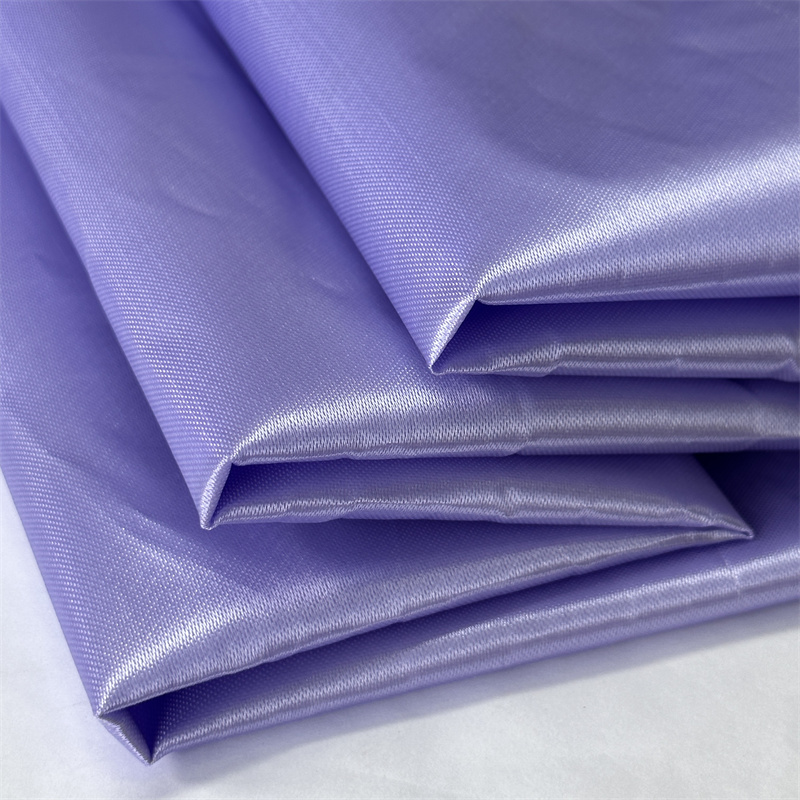
3. Charmeuse Satin
Charmeuse satin is lightweight and has a highly lustrous front surface with a dull back. Its smooth texture and fluid drape make it popular in lingerie, evening gowns, and blouses. The shine is soft and elegant rather than harsh. Charmeuse can be made from silk or synthetic fibers, providing options for both luxury and budget-conscious projects. Its delicate texture requires careful handling to avoid snags.
4. Stretch Satin
Stretch satin combines traditional satin weave with elastic fibers such as spandex. This gives it a smooth, slightly shiny surface with enhanced stretch and recovery. The texture is soft, and the fabric drapes well while providing flexibility for fitted garments. The shine is moderate, similar to charmeuse, but the elasticity makes it suitable for dancewear, evening dresses, and body-hugging clothing where movement is essential.
5. Antique Satin
Antique satin has a slightly matte finish and heavier texture compared to traditional satin. It is often woven with two different yarns, producing subtle variations in shine and a textured feel. Antique satin is ideal for upholstery, drapery, and structured garments. Its less reflective surface gives a sophisticated, vintage look that differentiates it from high-gloss satins. The texture feels more substantial and supportive, perfect for designs that require form retention.
6. Duchess Satin
Duchess satin is a premium, heavy-weight satin with a crisp hand and high gloss. Its texture is firm yet smooth, providing excellent structure for formal gowns and wedding dresses. The shine is pronounced and consistent, reflecting light uniformly. Duchess satin is made from silk or polyester blends and is often used in bridal and evening wear where luxurious appearance and garment structure are critical.
7. Peau de Soie
Peau de soie, meaning "skin of silk," is a medium-weight satin with a soft, matte finish and subtle shine. The texture is slightly stiff, giving garments a tailored look while still maintaining smoothness. It is often chosen for wedding gowns, formal dresses, and decorative trims. The subdued shine differentiates it from the high-gloss Duchess or Charmeuse satin, offering elegance without overpowering reflection.
8. Slipper Satin
Slipper satin is lightweight and slightly textured with moderate shine. Originally designed for luxury footwear and slippers, this satin is soft to the touch and comfortable against the skin. It drapes well for small garments, lingerie, and accessories. The texture is smooth but less fluid than charmeuse, and the shine is gentle, providing a refined yet understated look.
Comparing Texture and Shine Across the Eight Satins
The eight satin fabrics differ significantly in texture, weight, and luster. Silk satin and Charmeuse offer the softest textures with fluid drape, while Duchess and Antique satin provide heavier, more structured textures. Shine varies from the high-gloss silk, polyester, and Duchess satin to the subtle, matte sheen of Peau de Soie and Antique satin. Designers choose the type of satin based on desired visual impact, drape, and garment structure.
| Satin Type | Texture | Shine | Common Uses |
| Silk Satin | Soft, smooth | High-gloss | Evening gowns, bridal wear |
| Polyester Satin | Smooth, slightly stiff | Glossy | Costumes, home décor |
| Charmeuse | Lightweight, fluid | Soft, elegant | Lingerie, blouses |
| Stretch Satin | Soft, elastic | Moderate | Dancewear, fitted dresses |
| Antique Satin | Heavy, textured | Subtle, matte | Upholstery, structured garments |
| Duchess Satin | Firm, smooth | High-gloss | Bridal gowns, formal wear |
| Peau de Soie | Medium-weight, soft-stiff | Subtle, matte | Wedding gowns, formal dresses |
| Slipper Satin | Lightweight, slightly textured | Gentle | Lingerie, slippers, accessories |
Conclusion
The eight beautiful satin fabrics each bring unique textures and levels of shine, catering to a wide range of fashion and décor applications. From the soft, high-gloss silk satin to the structured, elegant Duchess satin, understanding these differences helps designers select the most appropriate fabric for their project. Careful selection ensures the intended visual effect, drape, and garment structure, elevating the final product’s luxury and aesthetic appeal.