

 中文简体
中文简体 Español
Content
- 1 What Satin Actually Is: The Weave Structure Explained
- 2 Main Types of Satin Fabric and How They Differ
- 3 Comparing Satin Types at a Glance
- 4 What Satin Fabric Is Best Used For
- 5 Sewing with Satin Fabric: Practical Techniques
- 6 How to Care for Satin Fabric Without Damaging It
- 7 Common Satin Fabric Problems and How to Prevent Them
Satin fabric is one of the most instantly recognizable textiles in the world — its glossy, light-reflecting surface and fluid drape have made it synonymous with luxury, elegance, and high-end fashion for centuries. Yet despite its glamorous reputation, satin is widely misunderstood. Many people believe satin refers to a specific fiber, when in fact it describes a weave structure that can be produced from silk, polyester, nylon, acetate, or cotton — each producing a fabric with very different performance characteristics, price points, and appropriate applications. Understanding what satin fabric actually is at a structural level, how the major satin types differ from one another, and how to work with and care for satin correctly is essential knowledge for anyone designing, sourcing, sewing, or purchasing satin products.
What Satin Actually Is: The Weave Structure Explained
Satin is a weave structure, not a fiber. The satin weave is defined by a specific pattern of interlacing warp yarns (running lengthwise on the loom) and weft yarns (running crosswise) in which each warp yarn floats over multiple weft yarns before interlacing under one — typically in a 4/1, 5/1, or 8/1 ratio (four or more over, one under). This arrangement means that the long warp floats dominate the fabric face, lying nearly parallel to each other and presenting a smooth, uninterrupted yarn surface to the light. It is this long-float surface structure that creates satin's characteristic luster: the aligned, smooth yarn surfaces reflect light at consistent angles rather than scattering it, producing the gloss effect that distinguishes satin from matte-finish plain-weave or twill-weave fabrics made from the same yarn.
The reverse side of a satin-weave fabric has the opposite structure — the weft yarns dominate the surface, creating a matte, duller finish. This two-sided character is one of satin's most practically useful features: the matte reverse can serve as a less reflective lining face or a lower-visibility wrong side in garment construction. The number of harnesses (shafts) on the loom determines the specific satin variant — a 5-harness satin (5/1 float ratio) produces a moderately lustrous surface, while an 8-harness satin (8/1 float ratio) produces a higher gloss and a more fluid drape because the longer floats allow yarns to move more freely relative to each other.
Main Types of Satin Fabric and How They Differ
The broad category of satin fabric encompasses numerous distinct products that vary significantly in fiber content, weight, hand feel, durability, and price. Understanding the specific type of satin in a fabric specification or on a bolt of fabric is essential for matching it to the right application.
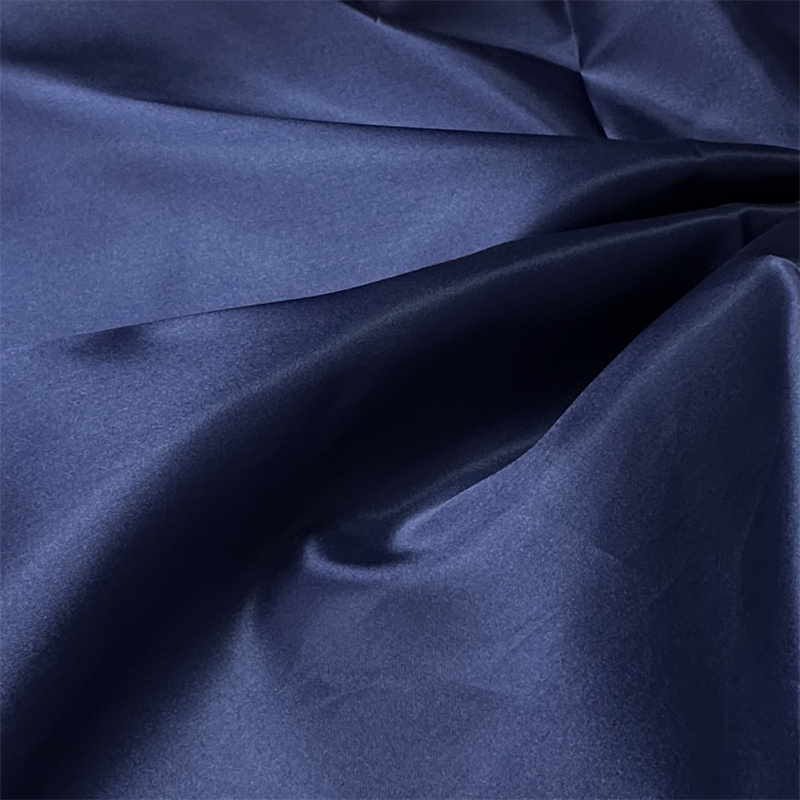
Silk Satin
Silk satin represents the apex of the satin category in terms of luster, drape, and tactile luxury. Produced from continuous silk filament yarns in a satin weave, it achieves a depth of gloss and a fluid, body-conforming drape that no synthetic alternative has fully replicated. Silk satin is used for the most prestigious applications in fashion — evening gowns, bridal wear, luxury lingerie, and couture lining — as well as premium home textiles including bedding, pillow covers, and drapery. Its temperature-regulating properties, breathability, and hypoallergenic character make it particularly valued for next-to-skin applications. The primary limitations of silk satin are its cost, its sensitivity to moisture (water spots form easily on the surface before fixation), and its requirement for careful hand washing or dry cleaning. Silk charmeuse is the most common silk satin variant in fashion — a lightweight, very fluid fabric with a particularly smooth face and matte crepe-textured reverse, used extensively in draped and bias-cut garment constructions.
Polyester Satin
Polyester satin is the most commercially dominant satin variant by volume, producing a fabric that visually resembles silk satin at a fraction of the price and with significantly more practical durability and care convenience. Modern polyester satin is woven from continuous polyester filament yarns of varying denier — finer yarn counts produce more lustrous, fluid fabrics that more closely approach silk in appearance, while heavier yarn counts produce stiffer, more structured satins suitable for tailoring and home furnishing applications. Polyester satin is machine washable, colorfast, wrinkle-resistant, and extremely durable compared to silk, making it the practical choice for bridesmaids' dresses, costume fabrics, fashion accessories, and decorative home textiles where the visual effect of satin is required but frequent or machine washing is expected. The distinguishing characteristic of polyester satin compared to silk is its slightly colder, more synthetic feel against the skin and a tendency toward static buildup in dry conditions — both manageable with appropriate garment construction and care practices.
Satin Weave Variants: Duchess, Charmeuse, and Crepe-Back Satin
Within both silk and polyester satin categories, several structural variants produce distinct aesthetic and performance profiles. Duchess satin is a heavy, structured satin with a high thread count and stiff body — it holds its shape without support and is the preferred fabric for ball gowns and bridal silhouettes requiring architectural form. It is typically produced in polyester or polyester-silk blends for the contemporary bridal market. Charmeuse satin (available in both silk and polyester versions) is lightweight, exceptionally fluid, and characterized by its combination of a high-gloss face and a crepe-textured matte reverse — the reverse texture providing a contrast that designers use deliberately in draped and reversible garment designs. Crepe-back satin is a heavier reversible fabric where one side presents the standard satin weave gloss finish and the other side has the texture of a crepe fabric — produced by using highly twisted crepe yarns as the weft alongside the smooth filament warp floats. This dual-surface character makes it particularly versatile for garments where different areas have different visual requirements.
Comparing Satin Types at a Glance
The following table summarizes the most practically important differences between the main satin types to support purchasing and specification decisions.
| Satin Type | Fiber | Luster Level | Drape | Care | Best Use |
| Silk Charmeuse | Silk | Very high | Excellent | Hand wash / dry clean | Couture, lingerie, draped gowns |
| Duchess Satin | Polyester / blend | High | Structured | Machine wash gentle | Bridal, ball gowns, structured skirts |
| Polyester Charmeuse | Polyester | High | Very good | Machine wash | Fashion, linings, costume |
| Crepe-Back Satin | Silk or polyester | High (one side) | Moderate to good | Hand wash / dry clean | Reversible garments, fashion |
| Cotton Sateen | Cotton | Moderate | Moderate | Machine wash | Bedding, casual wear, home textiles |
What Satin Fabric Is Best Used For
Satin's combination of luster, drape, and smooth surface makes it ideal for applications where visual impact and tactile luxury are priorities — but it is not the most practical fabric for every use case, and selecting it appropriately requires matching its specific performance characteristics to the requirements of the product being made.
- Formalwear and bridal fashion: Satin's most iconic application. The glossy surface catches light beautifully in photography and event lighting, and the fluid drape of charmeuse or structured body of duchess satin suits the silhouettes typical of formal occasion garments. Duchess satin specifically is preferred for structured bridal gowns because it holds architectural forms — full skirts, bodice boning support, cathedral trains — without collapsing.
- Lingerie and sleepwear: Lightweight charmeuse satin in silk or fine polyester is the dominant fabric for luxury lingerie and nightwear because of its smooth, cool feel against the skin, its body-following drape, and the visual elegance it conveys even in simple garment constructions. The smooth surface reduces friction against the skin during movement, which also makes satin a popular choice for sleep accessories like pillowcases and eye masks where skin and hair contact friction is a concern.
- Garment lining: Satin weave fabrics — particularly acetate satin and polyester lining satin — are the standard choice for tailored garment linings because their smooth surface allows the garment to slide over clothing layers easily without clinging, and their visual quality adds a perception of quality to the garment interior. Lining satins are typically lightweight and woven from fine-denier yarns to minimize bulk inside structured garments.
- Home textiles: Satin-weave cotton (correctly called sateen) is the dominant fabric for premium bed linen because it provides a smoother, more lustrous surface than plain-weave percale cotton at comparable thread counts, and it is fully machine washable. Satin and sateen are also used for decorative cushion covers, table runners, and drapery where a sheen surface enhances the visual appeal of the interior.
- Ribbons, trims, and accessories: Narrow satin ribbon is produced from both silk and polyester and used extensively in gift wrapping, floral design, couture millinery, and garment trim. The high surface reflectivity of satin ribbon makes it visually impactful even in small widths, and its smooth surface prints cleanly for personalized or branded ribbon applications.
Sewing with Satin Fabric: Practical Techniques
Satin is notoriously challenging to sew — its smooth surface causes it to slip and shift during cutting and stitching, and its long-float weave structure makes it susceptible to snagging from rough surfaces, pins, and incorrect needle types. Understanding and applying the correct techniques before cutting into satin fabric prevents the most frustrating and costly sewing errors.
Cutting Satin Accurately
The single most effective step for accurate satin cutting is to anchor the fabric to a cutting surface before cutting. Lay satin on a cutting mat with pattern pieces weighted — not pinned through multiple layers in the conventional way — and use rotary cutters rather than scissors wherever possible to minimize fabric movement during cutting. When pinning is necessary, use fine, sharp pins (silk pins or extra-fine ball-point pins) and place them only within the seam allowance to avoid visible holes in the face of the fabric. Always cut in a single layer if the fabric slips when doubled, and use a nap layout — all pattern pieces oriented in the same direction — because satin's warp floats reflect light differently depending on which direction the fabric is oriented, and cutting pieces in opposing directions creates visible shading differences in the finished garment.
Sewing Machine Setup for Satin
Use a new, fine sewing machine needle for every project — needle size 70/10 or 75/11 for lightweight charmeuse, 80/12 for medium-weight satin. A microtex (sharp) needle produces the cleanest stitch penetration on tightly woven satin weaves; a ballpoint needle is counterproductive on woven fabrics and should be reserved for knit constructions. Reduce upper thread tension slightly from the standard setting and test on a scrap of the actual fabric before sewing the garment pieces — satin's smooth surface frequently requires tension adjustment to prevent the bobbin thread from pulling to the right side of the fabric. Use a stitch length of 2 to 2.5 mm; longer stitches cause seam puckering on lightweight satins, and shorter stitches weaken the fabric by perforating it with excessive needle holes. A walking foot or a Teflon presser foot reduces fabric slipping during sewing of long seam runs on slippery charmeuse.
How to Care for Satin Fabric Without Damaging It
Satin fabric care requirements vary substantially between fiber types, and applying the wrong care method — even once — can permanently damage the surface luster, alter the drape, or cause irreversible distortion. The care label on a finished satin garment is the primary reference, but understanding the underlying principles helps when care labels are absent or when caring for fabric before it is made into a finished product.
- Silk satin: Hand wash in cool water with a gentle, pH-neutral detergent formulated for silk — never use standard laundry detergent, which is too alkaline and will strip silk's natural sericin proteins and damage fiber integrity over time. Rinse thoroughly and roll in a clean towel to remove excess water without wringing. Lay flat or hang to dry away from direct sunlight, which yellows and weakens silk fibers. Iron on the reverse (matte) side while still slightly damp using a cool silk setting, with no steam — steam can cause water spotting on silk satin face surfaces. Professional dry cleaning is the safest option for valuable or intricately constructed silk satin garments.
- Polyester satin: Machine washable on a gentle cycle in cool or lukewarm water with a mild detergent. Wash inside out to protect the face surface from abrasion against other items in the machine. Never tumble dry polyester satin on high heat — the polyester can melt, distort, or develop permanent wrinkles that cannot be removed. Tumble dry on a cool, low setting or air dry flat. Remove from the machine promptly to prevent wrinkle setting. Iron on a low polyester setting on the reverse of the fabric, never directly on the glossy face without a pressing cloth.
- Cotton sateen: The most care-friendly satin variant. Machine washable in warm water on a normal cycle; tumble dry on a medium setting. Cotton sateen does wrinkle more than polyester alternatives but is easily ironed on the reverse side with a medium-hot cotton setting. Pre-wash cotton sateen before cutting and sewing to allow for the 3 to 5% shrinkage typical of cotton fabrics in the first wash.
- Storing satin garments: Store satin garments hanging in breathable garment bags rather than folded in drawers or boxes. Folded storage creates permanent crease lines in the float structure of satin that are difficult to remove without careful steaming. Avoid storing satin in plastic bags, which trap humidity and can cause localized mildew or fiber degradation in natural fiber satins over extended storage periods.
Common Satin Fabric Problems and How to Prevent Them
Several satin-specific problems arise frequently enough that understanding them in advance prevents both costly material waste and finished product quality failures.
- Snagging: The long float yarns on satin's face surface are vulnerable to catching on rough surfaces, jewelry, Velcro, and even rough skin or nails. A single snag pulls a float yarn out of the fabric plane, creating a permanent visible loop or pull that cannot be invisibly repaired. Prevention is the only practical approach — keep satin fabric and finished satin garments away from rough surfaces during production and wear, and store with care.
- Needle holes and pin marks: On tightly woven satin, needle holes from incorrect needle size, blunt needles, or pins placed in the visible fabric area leave permanent punctures that open wider over time. Always use the finest needle appropriate for the fabric weight, replace needles frequently, and restrict all pinning and hand basting to seam allowances.
- Seam slippage: Satin's smooth fiber surface means that seam allowances can slip against each other during wear, causing seams to slide apart over time — particularly at high-stress areas like side seams and armhole seams in garments. Use French seams or flat-felled seams where the fabric weight allows, and always interface structural seam areas in tailored satin garments to improve seam stability and reduce slippage risk.
- Water spotting on silk satin: Water droplets landing on unwashed silk satin fabric leave visible rings after drying because the water displaces the surface oils and sericin unevenly. If water spotting occurs, immediately wet the entire affected panel evenly with clean water and allow it to dry uniformly — this spreads the water mark invisibly across the full fabric area rather than concentrating it at the original droplet boundary.
Satin fabric rewards careful handling, correct technique, and informed material selection with results that few other fabrics can match for visual elegance and tactile luxury. Whether working with silk charmeuse for a couture evening gown, duchess satin for a structured bridal silhouette, polyester satin for a costume production run, or cotton sateen for premium bedding, the foundational understanding of what satin is structurally and how each fiber type within the satin weave family behaves provides the practical knowledge to make better decisions at every stage — from initial fabric sourcing through final garment care.