

 中文简体
 Español
Content
- 1 Fabric Composition, Defined in Plain Terms
- 2 How to Read a Fabric Composition Label
- 3 Composition Is Not the Same as Construction
- 4 Natural, Synthetic and Regenerated Fibres
- 5 Why Blends Exist, and Why Small Percentages Matter
- 6 How Composition Shapes the Way We Name Our Fabrics
- 7 A Short Checklist Before You Approve a Fabric
Ask ten people in the textile trade to define fabric composition and you will hear the same idea in ten different accents: it is the list of fibres a cloth is made from, together with the share each one holds. A spec sheet reading "100% Polyester" or "60% Cotton / 40% Polyester" is not describing how a fabric looks, how heavy it feels, or how it was woven. It answers one narrow, very practical question: what is this cloth actually made of?
That question turns out to be one of the most useful things a buyer, designer or sourcing manager can ask, because fibre content quietly drives hand feel, durability, care instructions, cost and how a garment behaves after twenty washes.
Fabric Composition, Defined in Plain Terms
Fabric composition, also written as fibre content or fabric content, is the type and percentage of each textile fibre in a finished fabric, normally measured by weight. When a label says 65% polyester and 35% cotton, it means that in every hundred grams of that cloth, roughly sixty-five grams of fibre are polyester and thirty-five are cotton.
A recipe is the closest everyday comparison. The same ingredients in different proportions produce completely different cakes; the same fibres in different proportions produce completely different fabrics. The ingredient list is the composition. The method, whether woven or knitted, plain or jacquard, dyed or printed, is the construction. Both matter, but they are recorded separately.
Composition usually appears in one of three forms:
- A single fibre: 100% cotton, 100% polyester, 100% linen.
- A blend: two or more fibres whose percentages add up to 100.
- A blend with a trace fibre, such as 95% cotton with 5% elastane, where a small addition changes stretch dramatically.
What composition does not tell you matters just as much. It will not reveal the weave, the weight in grams per square metre, the usable width, the finish or the colour fastness. Those details belong to the specification, not to the composition line.
How to Read a Fabric Composition Label
Reading composition takes about two minutes to learn and saves a great deal of trouble later:
- Find the content line, usually on the care label, the spec sheet or the product page.
- Note the order. The fibre listed first normally holds the largest share.
- Add the percentages. They should total 100, though small rounding gaps are common.
- Check every component, not only the shell. Linings, interfacing, ribbing and trims carry their own content.
- Identify the fibre that changes behaviour. Two percent elastane or a little nylon can shift stretch and abrasion resistance far more than the number suggests.
Fibres bring different strengths to a cloth. The table below is the quick reference we keep to hand when customers ask why one fabric feels crisp and another feels fluid.
| Fibre | What it typically brings | Worth knowing |
|---|---|---|
| Cotton | Softness, breathability, easy dyeing | Absorbs and dries slowly; wrinkles readily |
| Linen (flax) | Crisp hand, cool touch, natural texture | Creases easily; softens with washing |
| Polyester | Strength, shape retention, quick drying | Needs careful spinning to feel soft |
| Nylon | Abrasion resistance, elasticity | Adds durability even in small shares |
| Viscose | Soft drape, silk-like sheen | Weaker when wet; needs gentle care |
| Wool | Warmth, resilience, moisture management | Can felt or shrink without care |
| Elastane | Stretch and recovery | Usually 2-10%; sensitive to high heat |
Composition Is Not the Same as Construction
This is where many briefs go wrong. Satin, twill, plain weave and jacquard are constructions: they describe how yarns are interlaced. Cotton, polyester, wool and viscose are fibres: they describe what those yarns are made of. A satin can be silk, polyester or viscose, and the composition line will read differently in each case even though the surface shine looks similar.
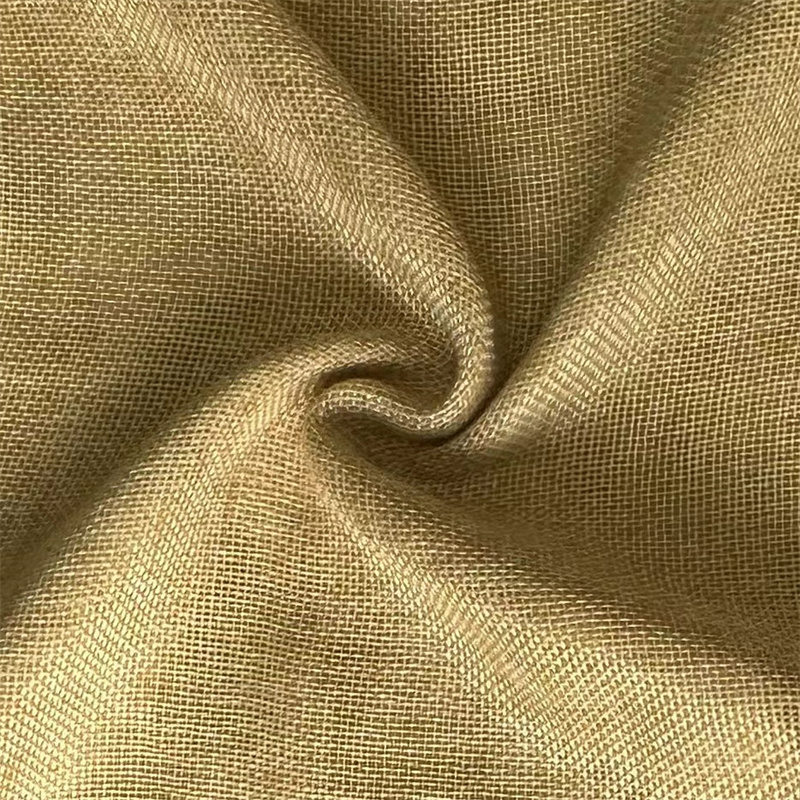
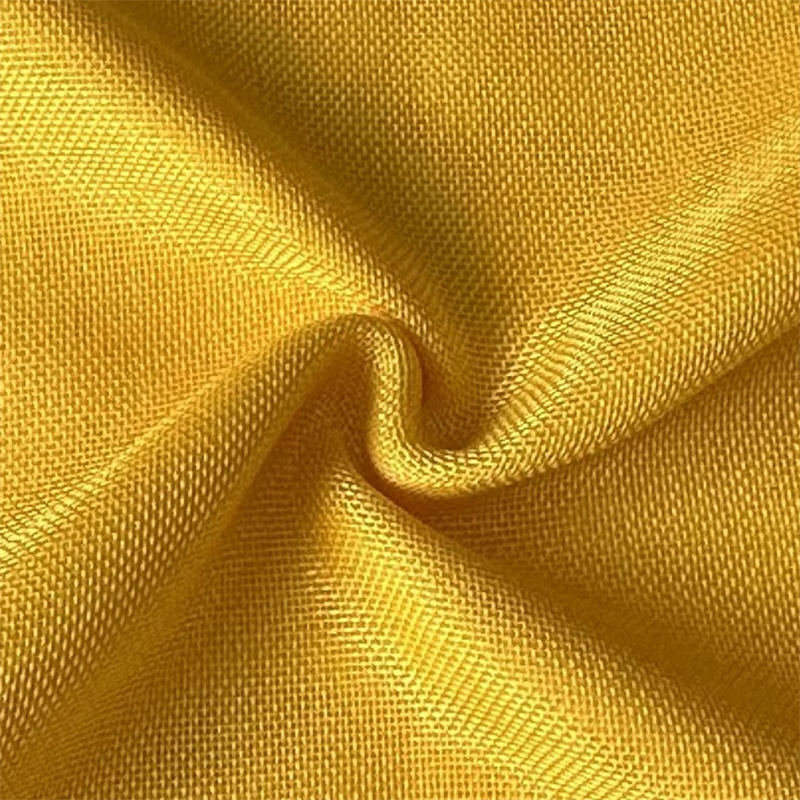
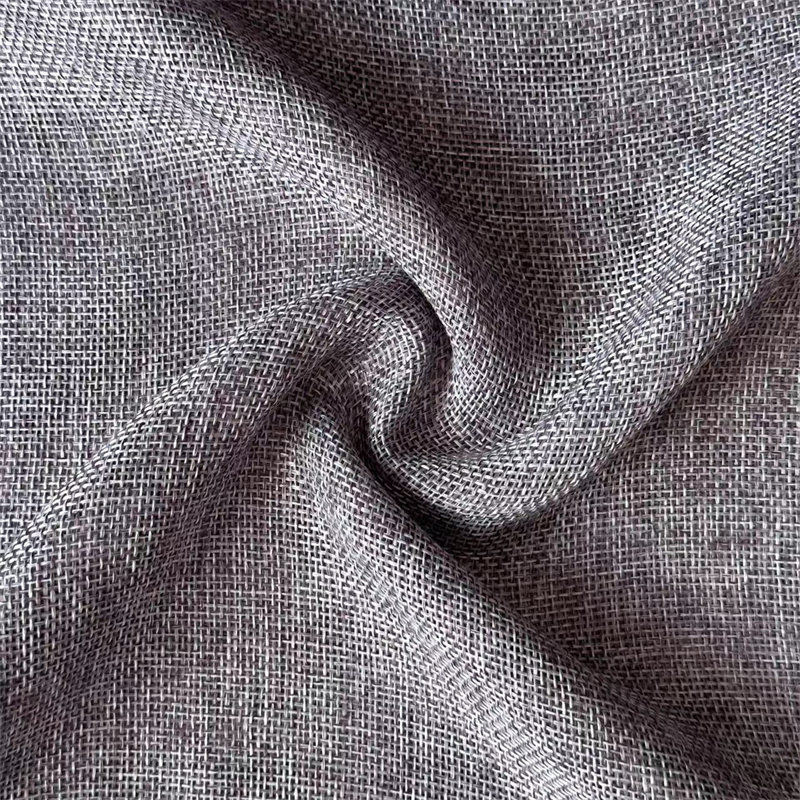
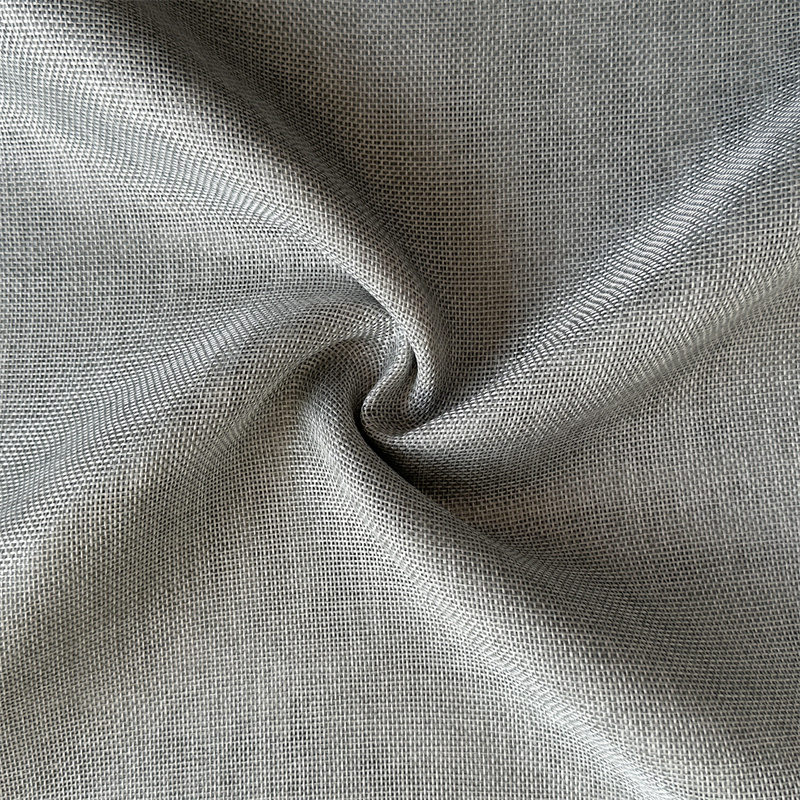
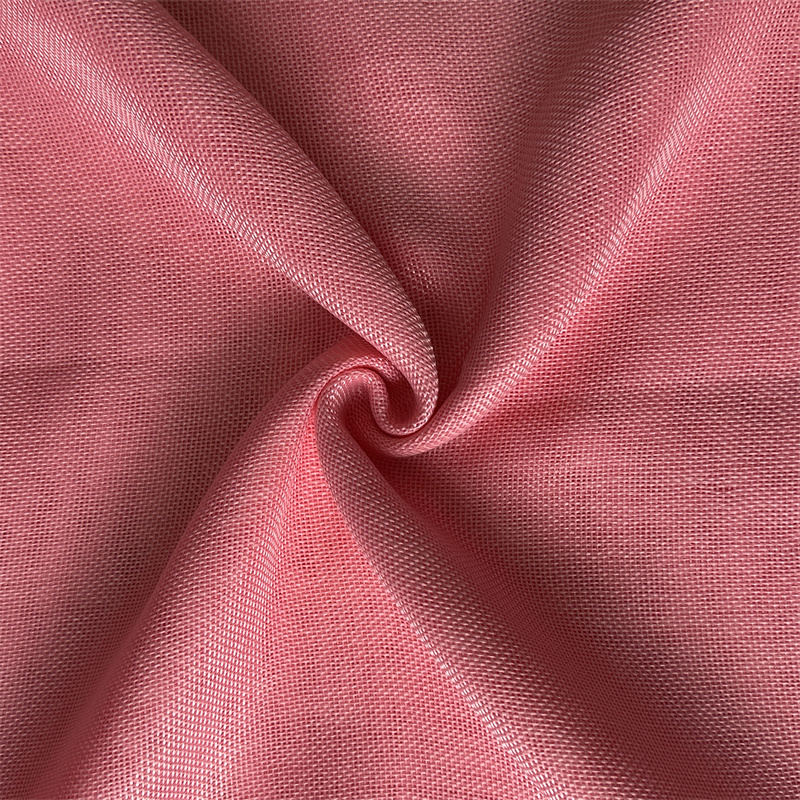
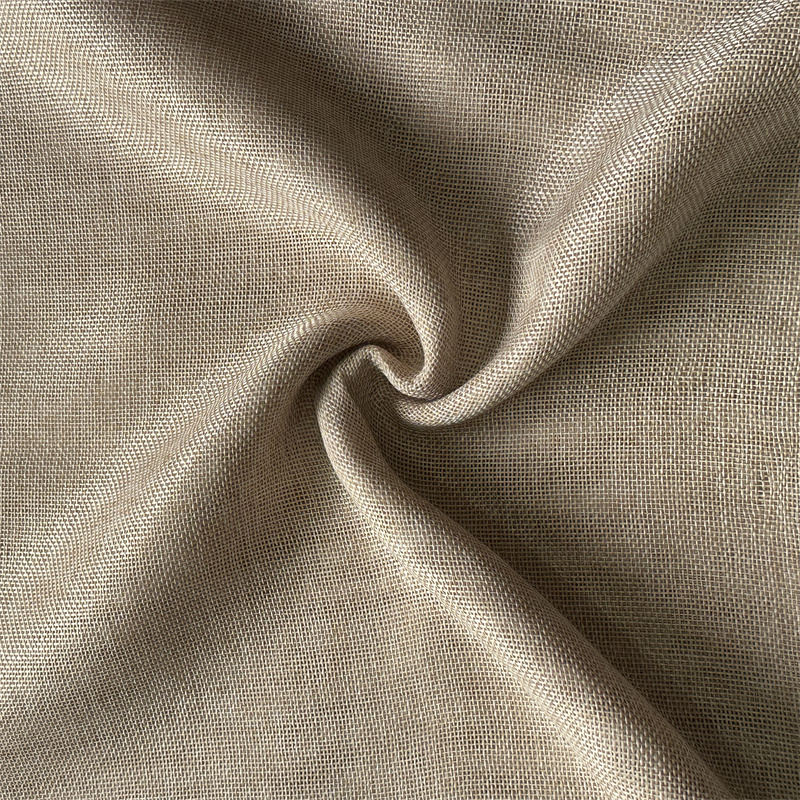
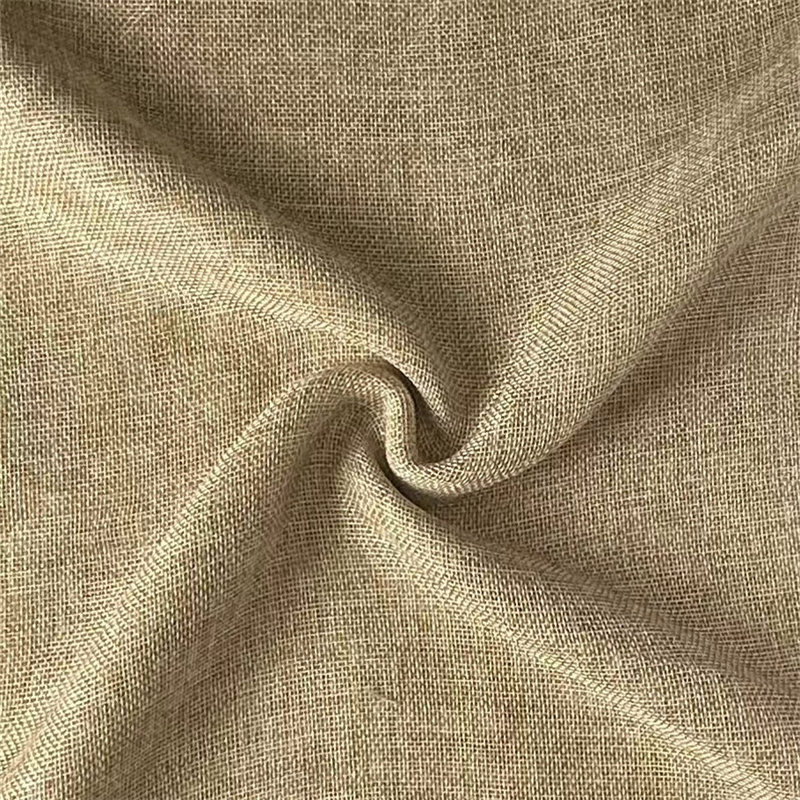
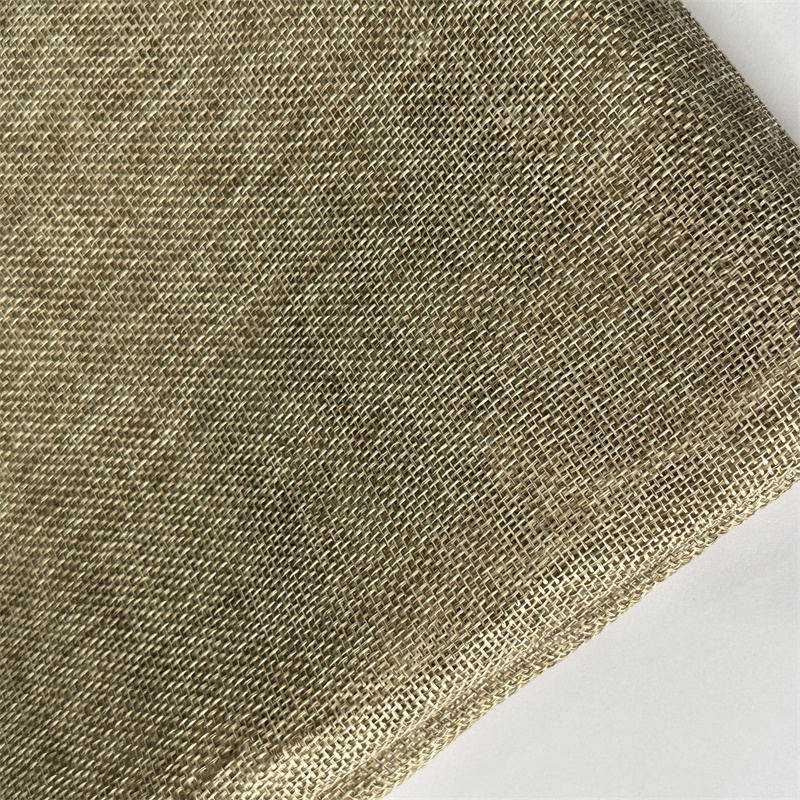
Marketing names add to the confusion. "Faux linen" and "imitation silk" describe a look achieved through yarn choice, weave and finishing rather than a fibre. A faux linen fabric is usually woven from polyester to imitate the irregular texture of flax, and its composition line still reads 100% polyester. Our own polyester linen fabric range follows that logic: the name describes the appearance, while every specification states the fibre content separately and precisely.
 Jacquard Fabrics with Defined Woven StructureExplore jacquard fabrics where pattern is built into the weave, with stated polyester, cotton and viscose composition for comparing structure and fibre.View Product →
The same applies to structure-driven fabrics. Jacquard designs are defined by how the pattern is built into the weave, yet two jacquards with identical patterns can behave very differently if one is polyester and the other is viscose.
Natural, Synthetic and Regenerated Fibres
Textile fibres fall into three broad families, and knowing which one you are working with explains most of a fabric's behaviour.
- Natural fibres come from plants or animals: cotton, linen, hemp, wool, silk. They breathe well and feel familiar against the skin, but they vary from lot to lot.
- Synthetic fibres are manufactured from polymers: polyester, nylon, acrylic, elastane. They offer consistency, strength and predictable performance.
- Regenerated fibres are made from natural raw material that is dissolved and re-spun: viscose, modal, lyocell. They pair plant-based origins with an engineered drape.
None of these families is automatically better than the others. The useful question is which properties a given end use actually needs. Where a polyester fabric is compared with the natural fibre it imitates, we wrote up the practical differences between plaid polyester linen fabric and natural linen in a separate note.
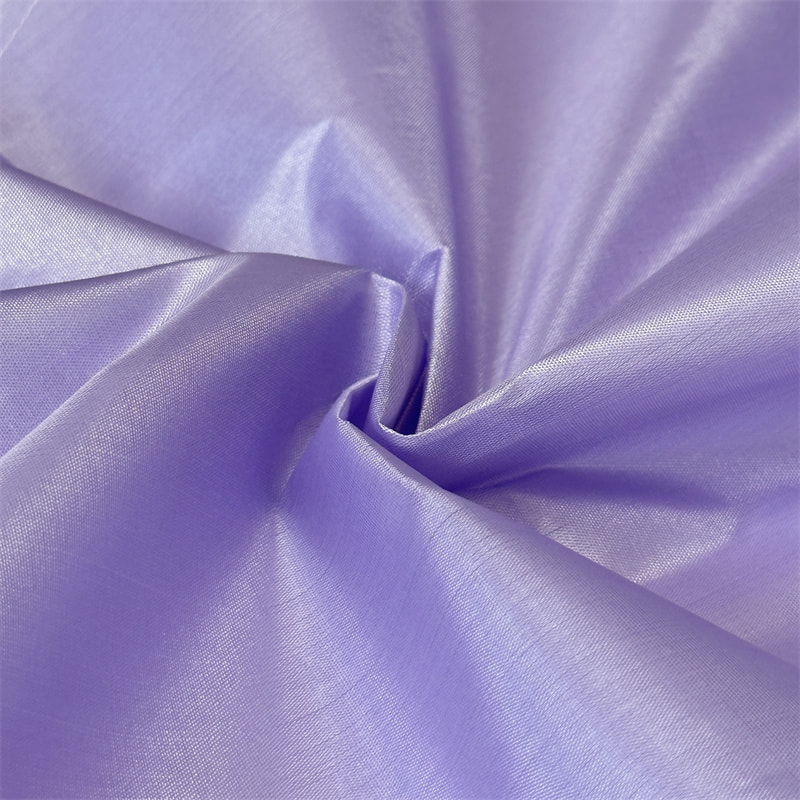 Imitation Silk Fabrics for Practical Silk-Like UseView polyester and nylon imitation silks that mimic silk’s drape and gloss while offering easier care, wrinkle resistance and lower cost for apparel and décor.View Product →
Imitation silk is a good illustration: the composition is synthetic, the drape is deliberately silk-like, and for many applications that combination is more practical than the fibre it echoes.
Why Blends Exist, and Why Small Percentages Matter
Blending is rarely an accident. Each fibre is added to solve a problem the first one could not. A 60/40 cotton-polyester blend keeps the comfort of cotton while reducing shrinkage and wrinkling. A 95/5 cotton-elastane blend gives a woven fabric enough recovery to move with the body. A small share of nylon in an upholstery-weight cloth can multiply its abrasion resistance.
So when you read a blend, read it as intent. Ask which fibre sits on the face and which underneath, because in a blend the two are often arranged deliberately. Ask also what happens at the extremes: heat, moisture and repeated washing affect each fibre differently, and the weakest link usually sets the care instructions.
How Composition Shapes the Way We Name Our Fabrics
At Tongxiang Miaoqisi Textile, we have been producing, processing and selling fabric from our base in Dayang Town, Tongxiang, Zhejiang since 2016, working as an integrated manufacturer and trader for customers around the world. Because so much of that work is custom, composition is usually the first number a customer gives us and the first line of the specification we send back.
Our product names tend to carry three pieces of information: an article or construction code, a weight, and the fibre content. A name such as "1200C 125gsm 100% Polyester Faux Linen Fabric" is not marketing language. It is a compressed specification that tells a buyer what the cloth is made of, how heavy it is and what surface it imitates before any sample is sent.
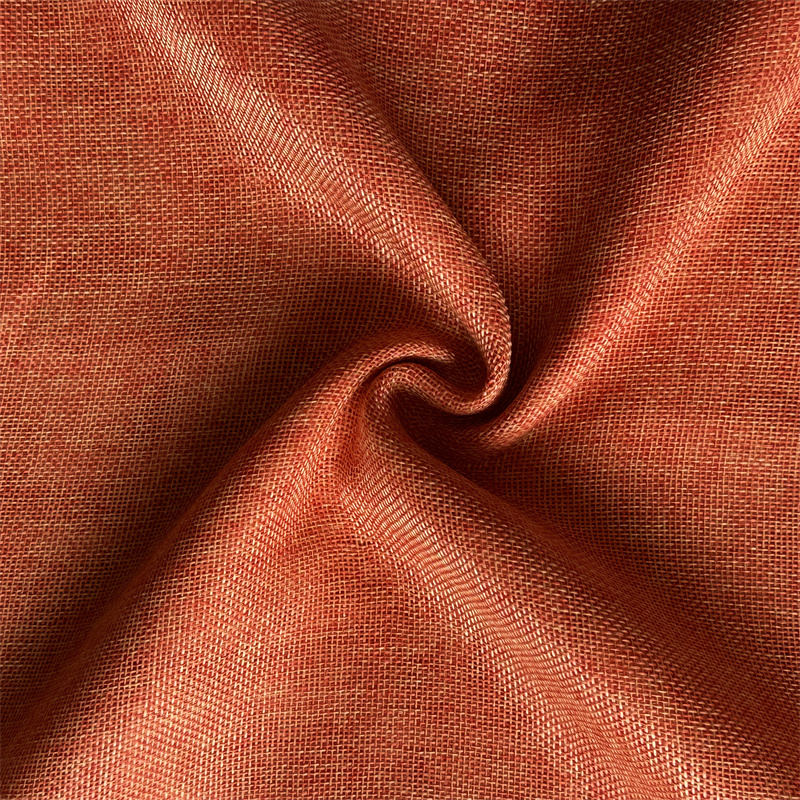 1200C 125gsm Polyester Faux Linen FabricA lightweight 125gsm faux linen in 99.99% polyester, suited to sheer curtains, table linens and summer apparel where linen-like texture and easy care matter.View Product →
That habit comes from experience rather than theory. With more than 100 fabric qualities in stock, each at over 2,000 metres, and more than 200 looms running, we have watched a few percent of polyester or a touch of elastane move a fabric from one price bracket to another. Writing composition into the name keeps the conversation precise.
A Short Checklist Before You Approve a Fabric
- Get the composition in writing for every colourway and every weight you plan to order.
- Check that the percentages total 100 and match the physical sample, not just the marketing page.
- Confirm which fibre sits on the face and which on the back if the fabric is a blend.
- Test the fibre that carries the risk: elastane against heat, viscose against wet abrasion, polyester against pilling.
- Match the care label to the composition rather than to habit.
- Keep a retained sample with its composition recorded so a repeat order can be matched months later.
Defining fabric composition is, in the end, a matter of reading the ingredient list before judging the cake. It is the fibre content, expressed in percentages by weight, and it sits alongside construction, weight and finish as one of the few facts that determine how a fabric performs. Get it clear at the start of a project and most of the surprises downstream, from unexpected shrinkage to a care label that does not match reality, simply do not happen.