

 中文简体
 Español
Content
- 1 What Fabric Composition Actually Tells You
- 2 How to Read Fabric Composition on a Label
- 3 Natural Fibers, Synthetic Fibers, and the Space Between
- 4 Why Blends Are More Than a Percentage Game
- 5 A Practical Comparison of Common Fabric Compositions
- 6 Composition, Cost, Care, and Compliance
- 7 How We Think About Composition in Practice
Fabric composition is the recipe of a textile: the fibers it contains and, usually, the percentage of each. A label that reads 60% cotton / 40% polyester is giving you a fabric composition. It is not the weave, the finish, or the color; it is the raw-material story. When buyers ask us to “define fabric composition,” that is usually what they mean: what is in the cloth, in what proportion, and what that means for the finished product.
That definition sounds simple, but composition touches almost everything. It shapes hand feel, strength, stretch, moisture behavior, care, cost, and legal labeling. It also explains why two fabrics that look alike can behave very differently after washing, wearing, or sitting in sunlight.
What Fabric Composition Actually Tells You
At its most practical, fabric composition answers three questions: which fibers are present, how much of each, and whether the mix is intentional. The same 100% polyester can be a dense woven faux linen or a lightweight lining; composition does not tell you the construction. Likewise, “linen” on a label should mean flax fiber, while “polyester linen” or “faux linen” describes a look rather than a botanical origin. That distinction matters in product descriptions and in customer conversations.
Composition is also a performance forecast. Cotton contributes softness and absorbency; linen brings crispness and airflow; polyester adds strength, wrinkle resistance, and shape retention; viscose offers drape; elastane gives stretch. None of these is automatically good or bad. The right answer depends on the end use and the percentage.
How to Read Fabric Composition on a Label
Labels vary by country, but the logic is consistent. Look for the fiber names and percentages, then check the order. Fibers are often listed from highest to lowest percentage, though regulations differ. A few habits help:
- Read every fiber name, including small percentages. Two or three percent elastane can change stretch and recovery noticeably.
- Distinguish “100%” from “pure” or “all.” Marketing language is not a substitute for a fiber percentage.
- Check the care instructions alongside the composition. A delicate fiber may be washable in one construction and not another.
- Ask for the mill’s fiber content sheet or test report when the label is unclear, especially for blends and recycled claims.
For buyers, the label is only the starting point. A fabric supplier should be able to confirm fiber content by batch and explain any tolerance. Small percentage variations can occur in blends, so ask what range the supplier works to and how it is verified.
Natural Fibers, Synthetic Fibers, and the Space Between
Natural fibers come from plants, animals, or minerals. Cotton, linen, hemp, wool, and silk are familiar examples. Synthetic fibers are manufactured, including polyester, nylon, acrylic, and elastane. Regenerated fibers such as viscose and modal sit in between: they start with a natural raw material but are processed into a new fiber. The category matters, but the exact composition matters more.
A common mistake is to treat natural as a guarantee of comfort or synthetic as a guarantee of poor breathability. A tightly woven cotton can feel clammy; a well-engineered polyester blend can wick and dry quickly. In our experience, the most useful question is not “natural or synthetic?” but “what is the fiber mix, and how is the fabric constructed?”
Why Blends Are More Than a Percentage Game
Blending is where composition becomes a design tool. A polyester-cotton blend can combine cotton’s hand feel with polyester’s strength and wrinkle resistance. A small amount of elastane gives denim or shirting recovery. Viscose-polyester blends can improve drape and stability. The percentages decide how strongly each fiber’s character shows up.
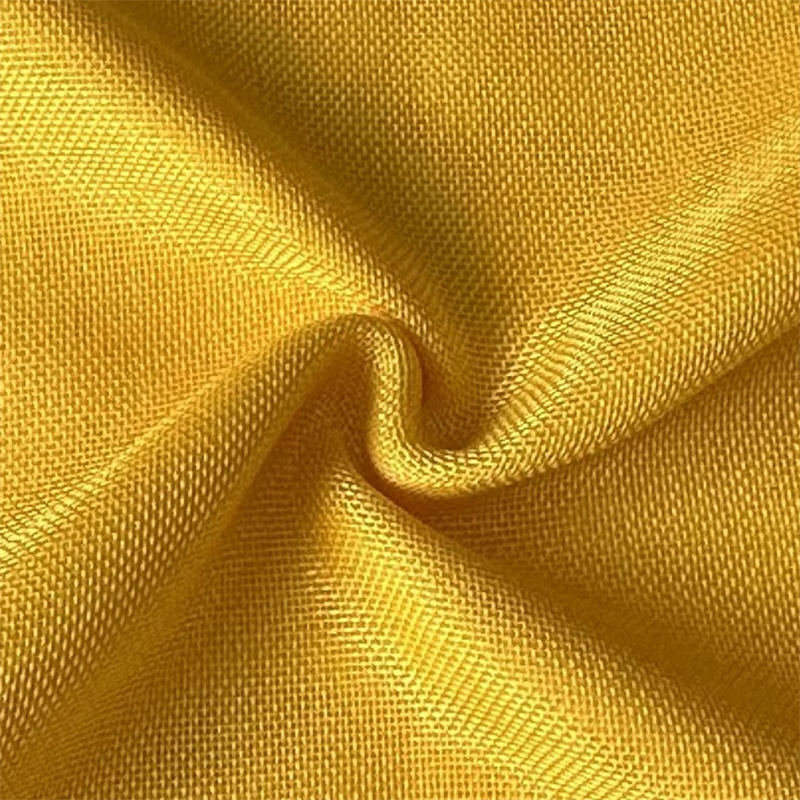
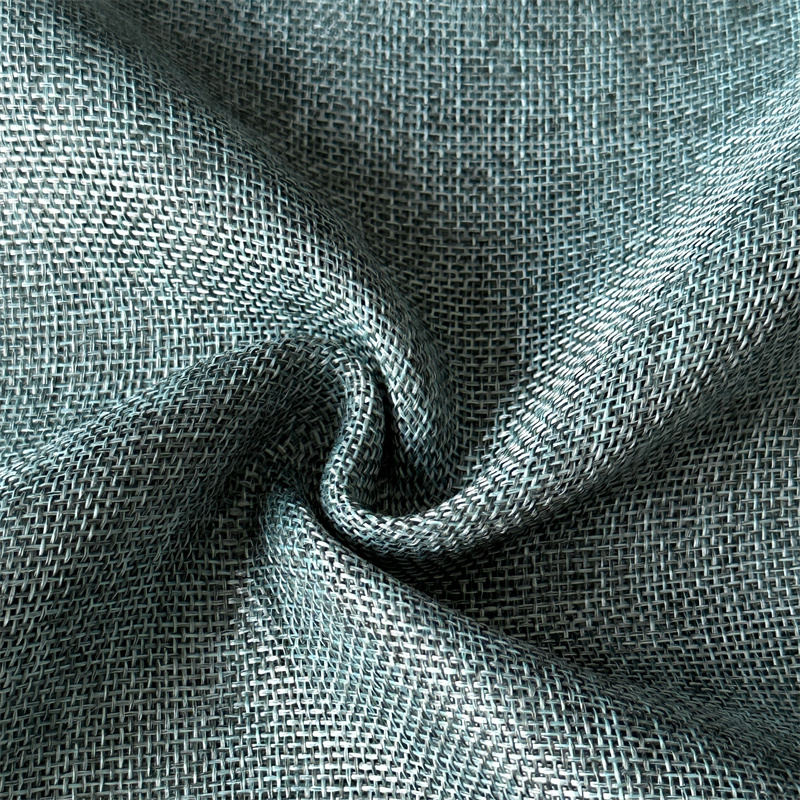
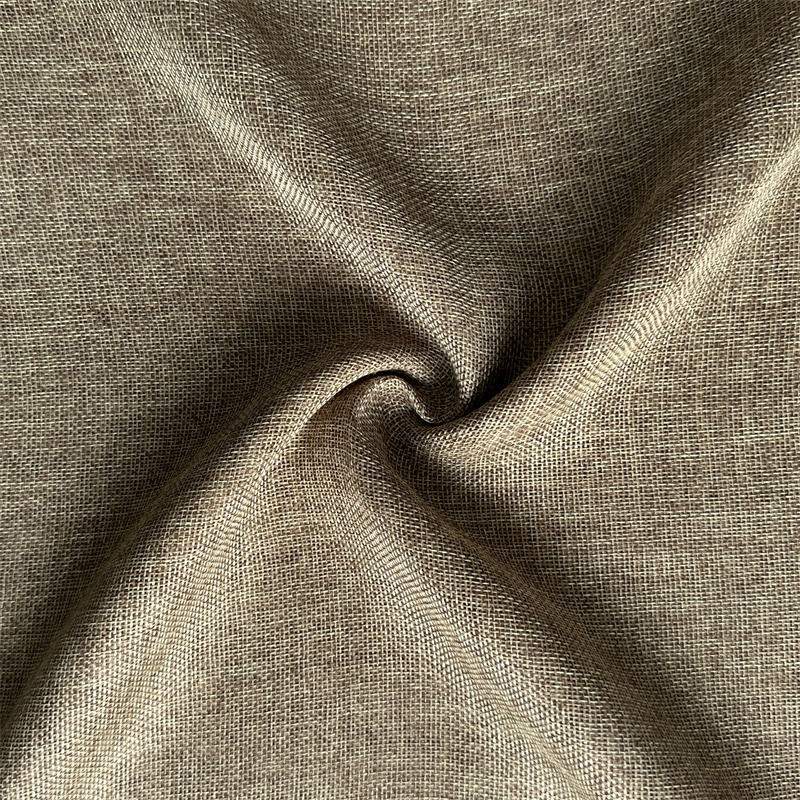
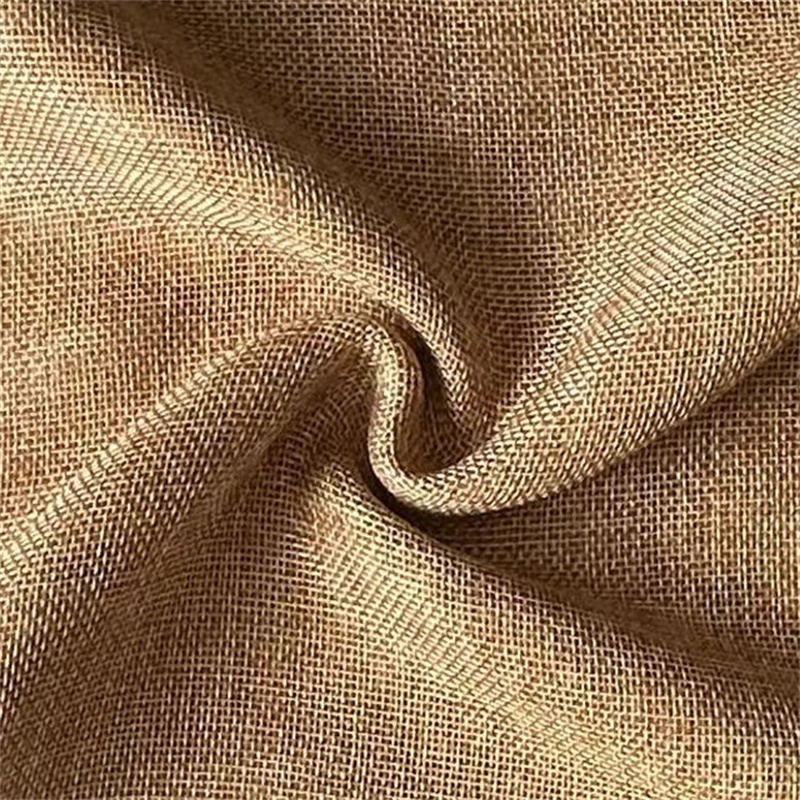
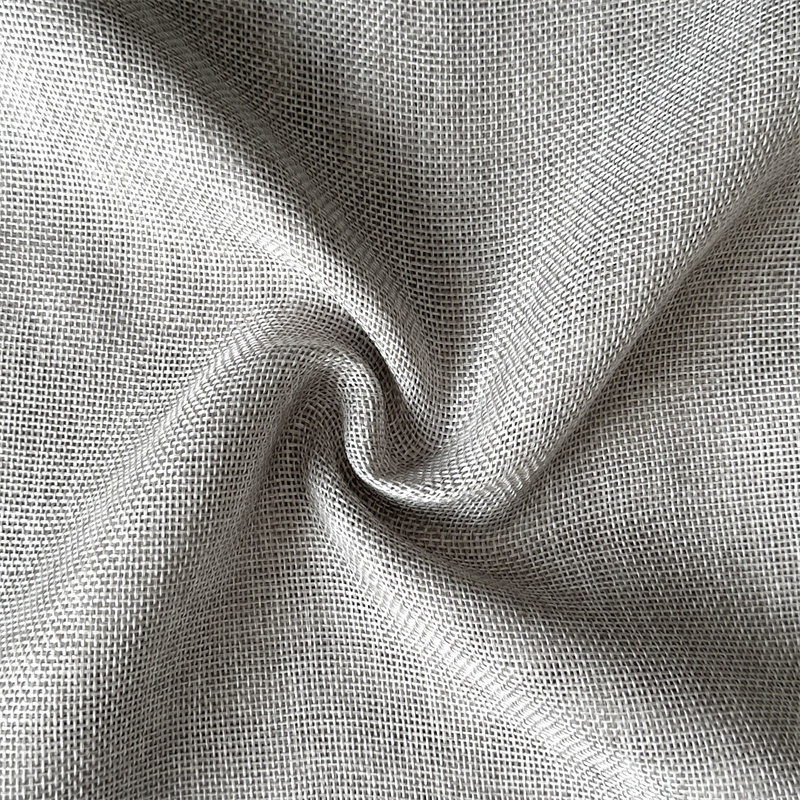
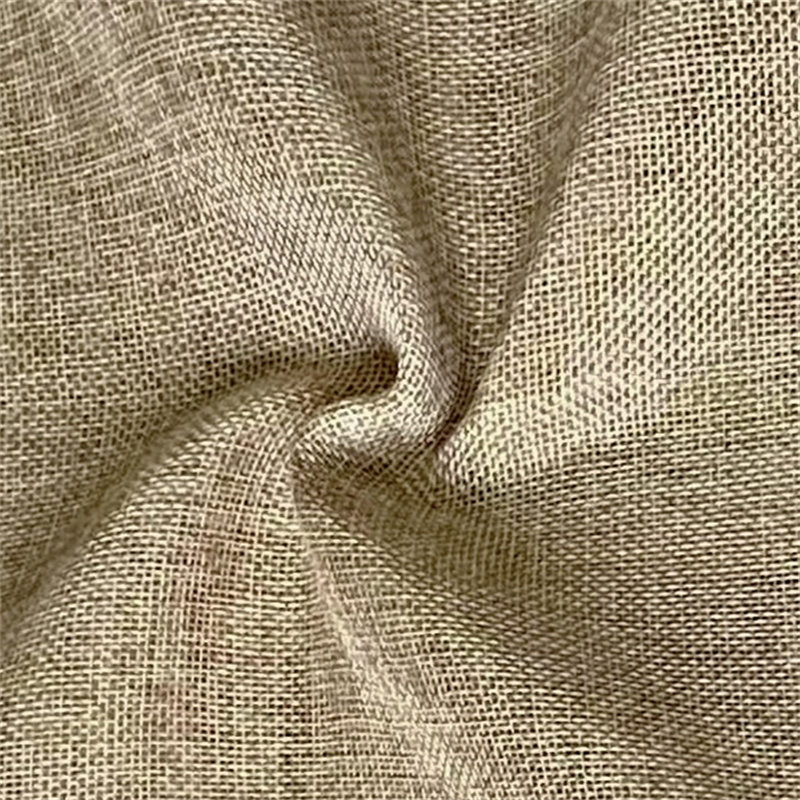
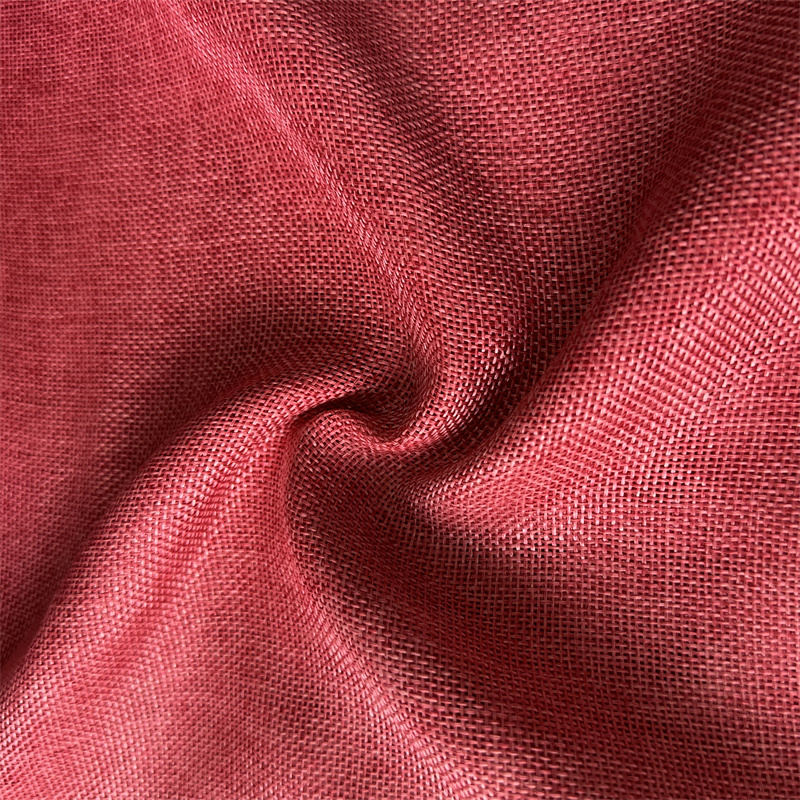
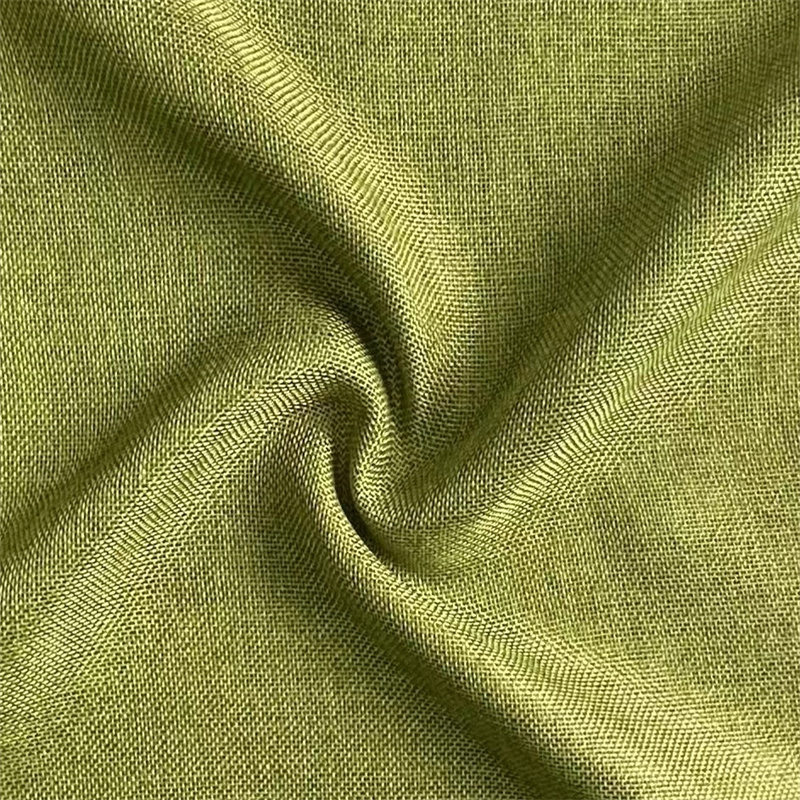
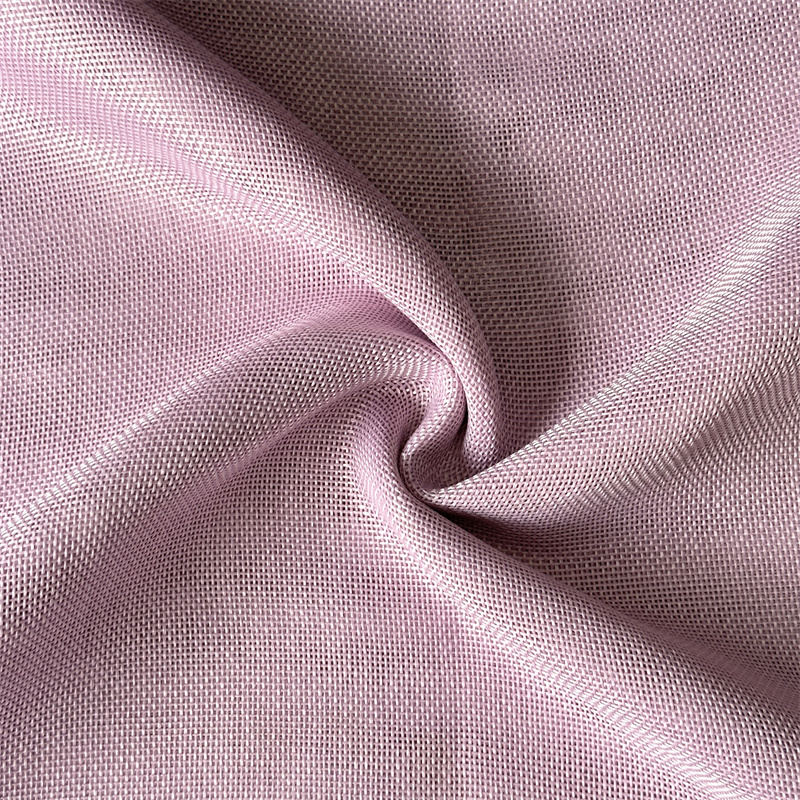
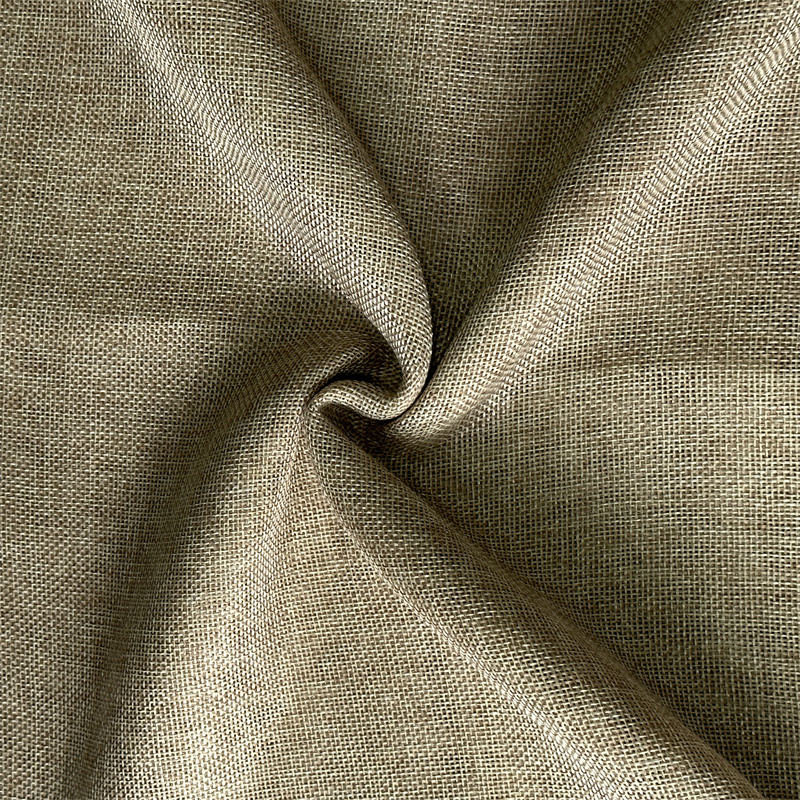
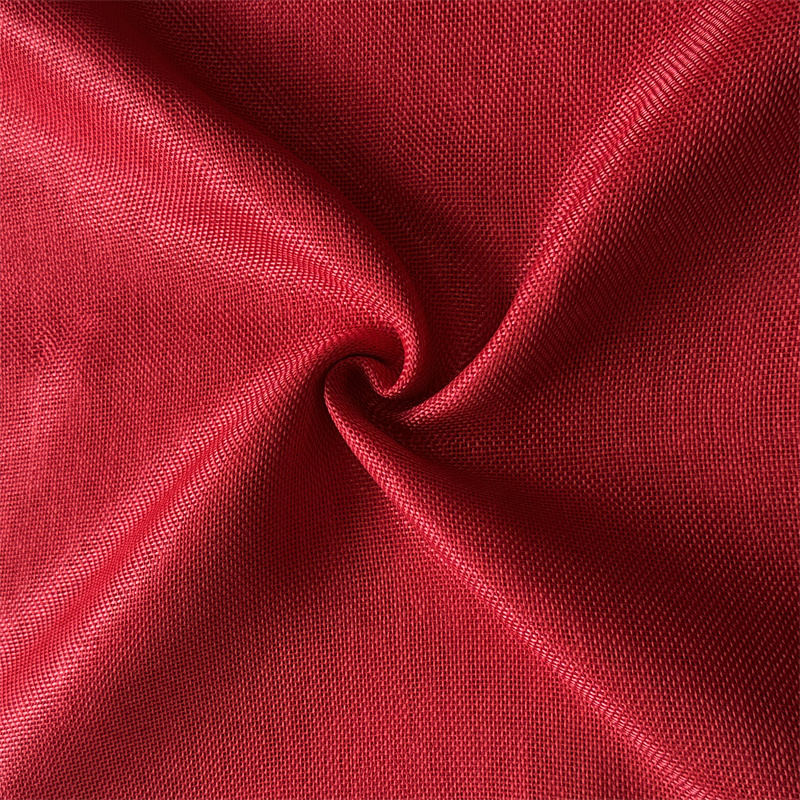
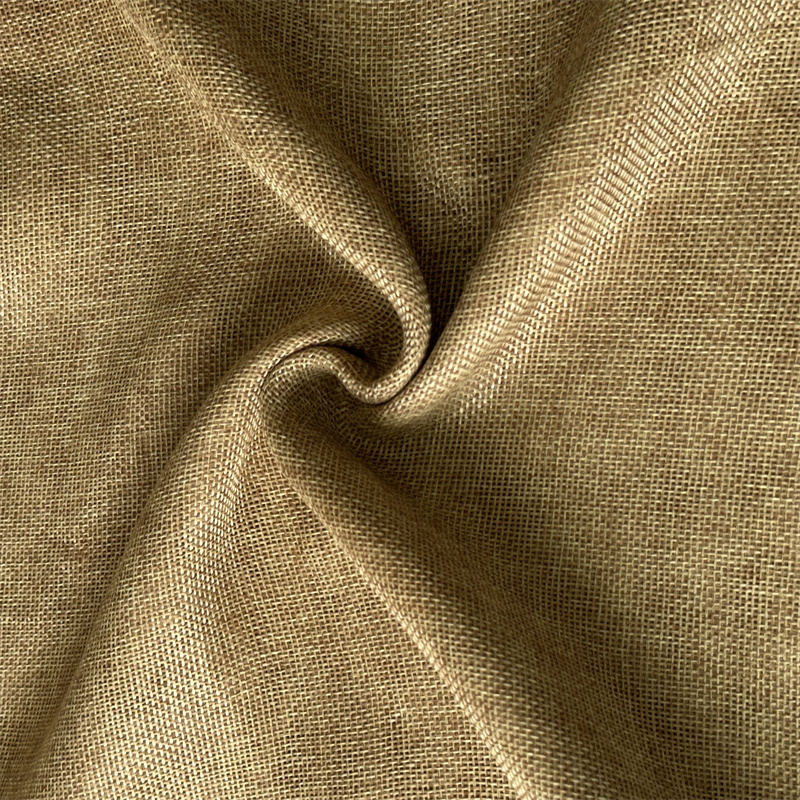
The same principle applies to faux linen. A 100% polyester faux linen can mimic linen’s slubby texture while offering easier care; a blend with natural linen can bring more crispness and moisture uptake. Neither is inherently better. The choice depends on whether the customer prioritizes drape, durability, price, or a natural-fiber story. For a closer look at how the two directions differ, see our note on plaid polyester linen versus natural linen.
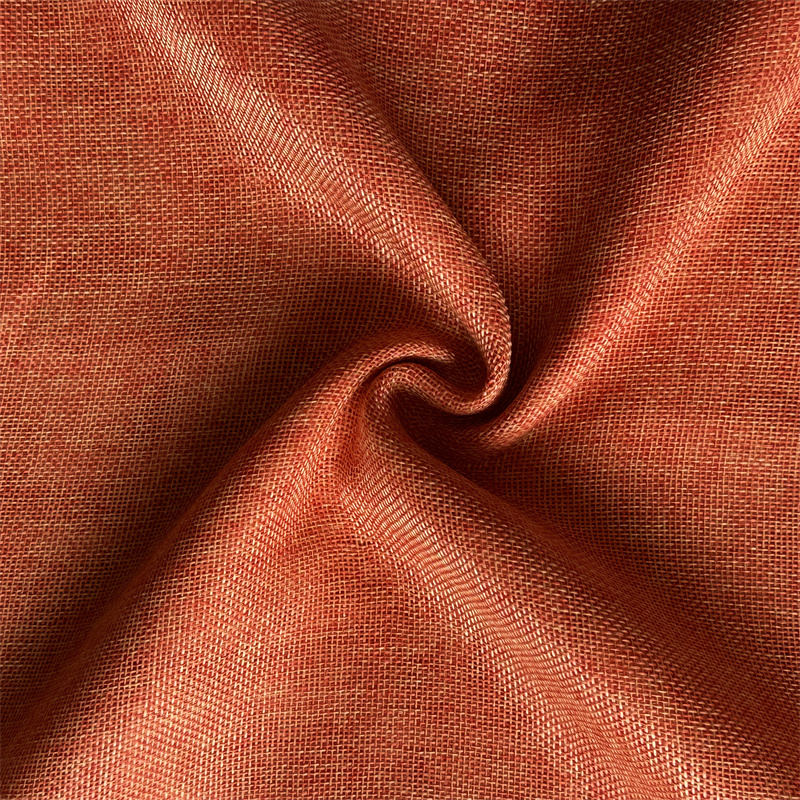 Polyester Linen Fabric Range for Faux-Linen ProjectsView the polyester faux-linen range, including solid, plaid, and houndstooth options, to compare weights and constructions against drape, durability, care, and cost needs.View Product →
When we develop a composition for a customer, we start with the end use, then test the mix. A fabric that looks right on a swatch card can still fail in cutting, sewing, or washing. Composition is part of that risk assessment, not a standalone selling point.
A Practical Comparison of Common Fabric Compositions
The table below is a quick reference, not a rulebook. Real performance depends on yarn size, weave, density, dyeing, finishing, and the quality of the fiber itself.
| Fiber | Typical contribution | Watch-outs | Often seen in |
|---|---|---|---|
| Cotton | Soft, absorbent, breathable | Shrinks, wrinkles, dries slowly | Shirts, denim, home textiles |
| Linen (flax) | Crisp, strong when wet, airy | Wrinkles, can feel rough, costly | Summer apparel, table linen |
| Polyester | Strong, wrinkle-resistant, quick-drying | Can trap odor, less breathable if dense | Faux linen, outerwear, blends |
| Viscose / rayon | Drape, softness, sheen | Weaker when wet, can shrink | Dresses, linings, blends |
| Silk | Fine hand, lustre, insulation | Delicate, sensitive to sunlight and perspiration | Scarves, eveningwear, linings |
| Elastane | Stretch and recovery | Heat-sensitive, usually used in small percentages | Stretch wovens, denim, activewear |
| Wool | Warmth, elasticity, moisture management | Can felt, can itch, needs careful washing | Suiting, knits, outerwear |
Use the table to ask better questions, not to predict performance from a single word. A 100% polyester satin and a 100% polyester faux linen share a fiber name but not a hand feel, drape, or care profile. That is why we keep composition records tied to each fabric quality, not just to a generic fiber category.
Patterned fabrics show the same point. A jacquard’s composition may be simple, but the weave creates the design and affects weight and stability. Buyers should ask for both the fiber content and the construction details.
 Custom Jacquard Fabrics for Apparel and Interior UseReview jacquard options with patterned weaves and listed 330gsm, 148cm specifications to assess construction, weight, stability, and suitable decorative or apparel uses.View Product →
Composition, Cost, Care, and Compliance
Composition drives cost in ways that are not always obvious. Fine natural fibers, specialty yarns, and complex blends can raise the price per meter; commodity synthetic fibers can lower it. But a cheaper fiber does not automatically make a cheaper fabric if the weave is dense, the finishing is complex, or quality control is tight.
Care claims also depend on composition. “Machine washable” on a polyester-rich fabric may be reasonable; the same claim on a delicate silk or viscose blend may need caution. Labeling regulations in many markets require fiber content by percentage, and some require country-of-origin or care information. Getting the composition right is therefore a compliance issue as well as a product-development issue.
Verification matters. Suppliers should be able to support composition claims with fiber identification tests, supplier declarations, or batch records. For recycled or specialty claims, ask for traceability documents rather than relying on a word in a product name. This is especially important when the same fabric name is used across several qualities.
How We Think About Composition in Practice
In our own mill, composition starts on the sample table. We ask what the fabric needs to do: hold a shape, drape softly, resist creasing, feel cool, or hit a target price. Then we match fiber content to construction and finishing. A satin and a jacquard may both be 100% polyester, but they are specified differently because the end use is different.
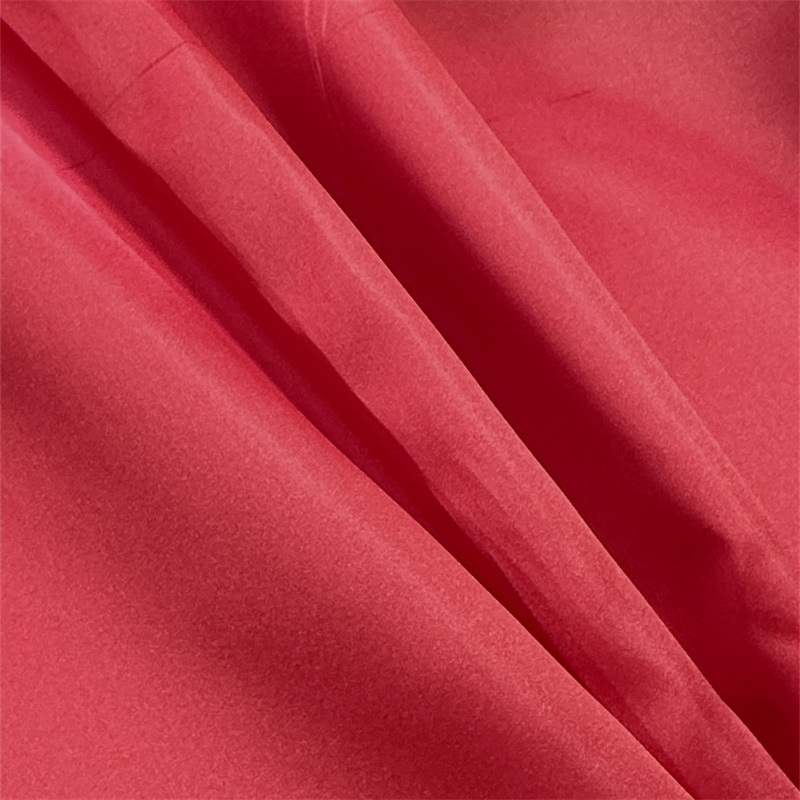 Custom Satin Fabric for Fashion and Home DécorReview satin options in silk, polyester, or nylon and compare gloss, drape, durability, and end use for garments, home textiles, and decorative applications.View Product →
We also try to be clear about language. “Faux linen” is a description of appearance and hand, not a claim that the fabric contains flax. “100% polyester” is a fiber statement, not a promise of performance. When a customer asks us to define fabric composition for a specific quality, we give the fiber list, the percentages, the tolerance, and the relevant test or batch reference where available. That is a more useful answer than a single word on a label.
If you are comparing fabrics, start with the composition, then ask about weave, weight, finish, and test results. The combination tells you far more than the fiber name alone. A good supplier will welcome those questions, because they lead to fewer surprises in cutting, sewing, and the final product.
Fabric composition is ultimately a map of what a textile is made of. It helps you predict performance, price, care, and compliance, but it is not the whole story. Use it as the first filter, then look at construction and finishing. That habit will make your fabric conversations clearer, whether you are reading a care label or specifying a new quality.