

 中文简体
中文简体 Español
Content
- 1 Understanding What Satin Fabric Really Is
- 2 Key Characteristics That Define Satin Fabric
- 3 How Satin Fabric Is Made: The Satin Weave Explained
- 4 Common Fiber Types Used in Satin Fabric
- 5 Practical Applications of Satin Fabric
- 6 Advantages and Limitations of Satin Fabric
- 7 How Understanding Satin Fabric Helps You Make Better Choices
Understanding What Satin Fabric Really Is
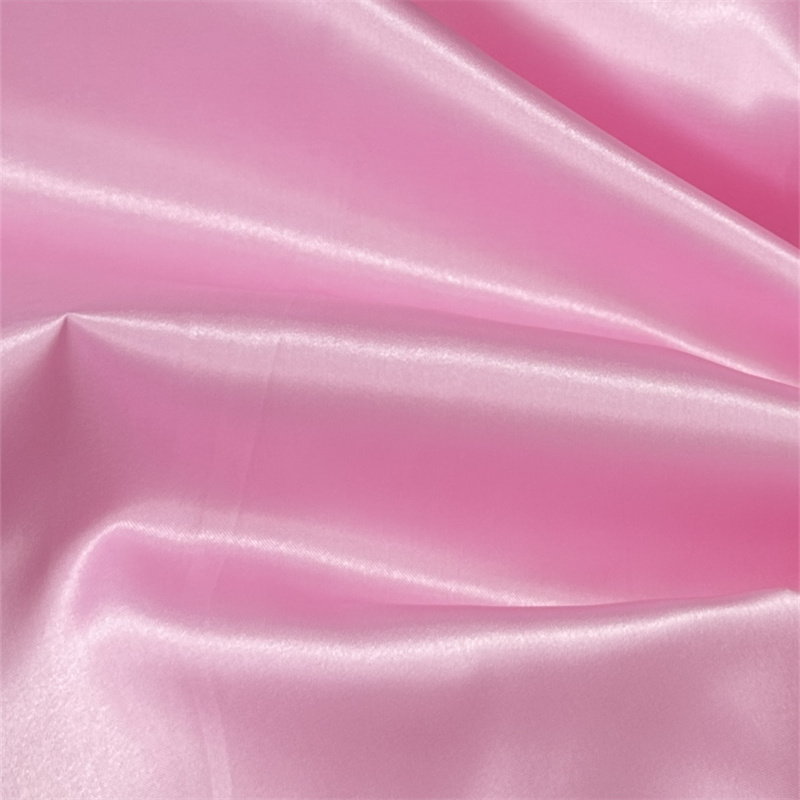
Satin fabric is not defined by the fiber it uses but by its distinctive weaving technique. Many people mistakenly assume satin is a type of material like cotton or silk, but in reality, it refers to a specific weave structure that creates a smooth, glossy surface on one side and a duller finish on the other. This construction gives satin its signature luxurious appearance, fluid drape, and soft hand feel, making it a staple in both fashion and interior textiles.
The satin weave allows warp yarns to float over multiple weft yarns, minimizing intersections on the surface. This reduced friction is what produces the fabric’s reflective sheen. Understanding this foundational concept is essential for choosing, using, and caring for satin fabric correctly.
Key Characteristics That Define Satin Fabric
Satin fabric is valued for a combination of visual appeal and tactile comfort. These characteristics vary slightly depending on the fiber content, but the weave structure ensures several consistent traits.
Smooth and Lustrous Surface
The most recognizable characteristic of satin fabric is its glossy, smooth face. The long floating yarns reflect light evenly, creating a soft shine that enhances colors and patterns. This property makes satin especially popular for evening wear, lingerie, and decorative home textiles.
Excellent Drapability
Satin fabric naturally falls and flows, making it ideal for garments that require movement and elegance. Dresses, skirts, blouses, and curtains benefit from satin’s ability to drape without stiffness, enhancing silhouette and comfort.
Soft Hand Feel
Due to fewer yarn interlacings, satin feels smooth and gentle against the skin. This makes it suitable for pillowcases, bedding, and sleepwear, where comfort and reduced friction are important.
Prone to Snagging and Creasing
The same floating yarns that create satin’s beauty also make it more delicate. Satin fabric can snag easily and may show creases or pressure marks if not handled carefully. This characteristic influences both garment construction and end-use selection.
How Satin Fabric Is Made: The Satin Weave Explained
Satin fabric is produced using a satin weave, one of the three fundamental textile weaves alongside plain and twill weaves. The satin weave is engineered to maximize surface smoothness and luster.
Warp-Faced vs Weft-Faced Satin
Most satin fabrics are warp-faced, meaning the warp yarns dominate the surface. In contrast, sateen is typically weft-faced and often made from cotton. The distinction affects texture, sheen, and typical applications.
- Warp-faced satin emphasizes shine and smoothness
- Weft-faced sateen offers a softer, more matte look
Step-by-Step Weaving Process
The production of satin fabric involves carefully controlled loom settings to ensure consistent float length and yarn tension. Longer floats increase shine but also increase fragility, so manufacturers balance aesthetics with durability.
Common Fiber Types Used in Satin Fabric
Satin can be made from a wide range of fibers, each contributing different performance characteristics. The fiber choice affects cost, durability, breathability, and care requirements.
| Fiber Type | Key Features | Typical Uses |
| Silk | Natural shine, breathable, luxurious | Eveningwear, scarves, lingerie |
| Polyester | Durable, affordable, wrinkle-resistant | Fashion apparel, décor fabrics |
| Nylon | Strong, lightweight, high abrasion resistance | Lingerie, linings |
| Acetate | Silk-like appearance, lower cost | Formalwear, decorative items |
Practical Applications of Satin Fabric
Thanks to its aesthetic and tactile qualities, satin fabric is widely used across industries. Designers select satin when visual impact and comfort are priorities.
Fashion and Apparel
Satin is commonly used for dresses, blouses, skirts, suits, and linings. Its reflective surface enhances color depth, while its drape allows for elegant garment construction.
Home Textiles
In home décor, satin fabric appears in curtains, cushion covers, bedspreads, and pillowcases. Satin pillowcases, in particular, are popular for reducing hair friction and maintaining skin comfort.
Industrial and Decorative Uses
Beyond fashion and home use, satin fabric is applied in ribbons, upholstery accents, and ceremonial products where visual elegance is essential.
Advantages and Limitations of Satin Fabric
While satin fabric offers undeniable aesthetic benefits, it also has limitations that buyers and designers must consider before selection.
- Luxurious appearance enhances perceived value
- Comfortable and smooth against skin
- Can be delicate and require careful handling
- Some fiber types may have limited breathability
How Understanding Satin Fabric Helps You Make Better Choices
Knowing how satin fabric is made and what characteristics define it allows buyers to choose the right type for specific applications. Whether selecting silk satin for luxury garments or polyester satin for durable décor, understanding weave structure and fiber content ensures better performance and longevity.
By focusing on practical factors such as drape, durability, and care requirements, satin fabric can be used effectively across fashion, home textiles, and decorative industries without compromising quality or usability.