

 中文简体
中文简体 Español
Content
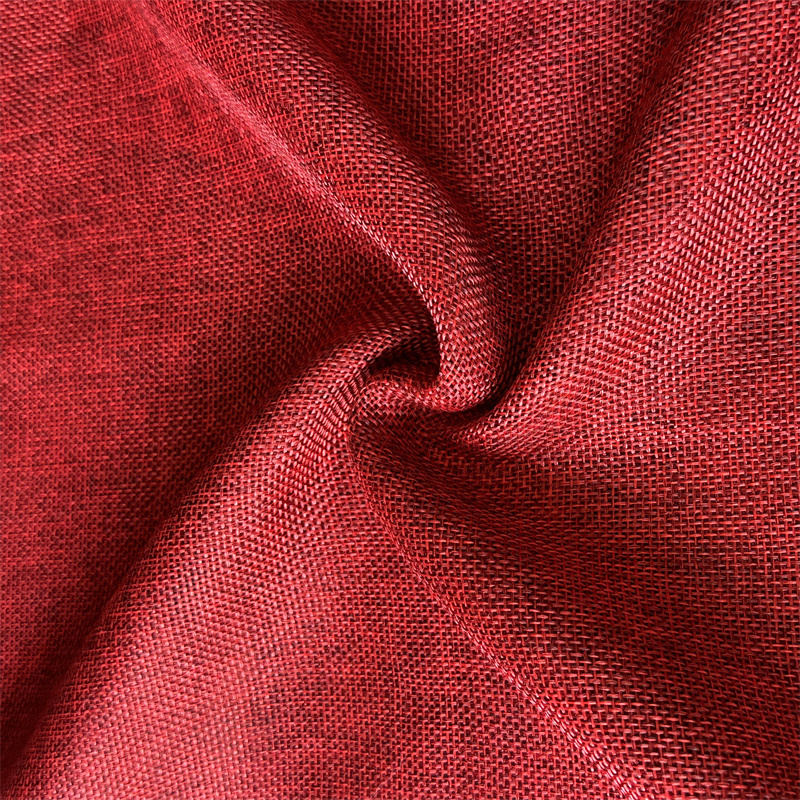
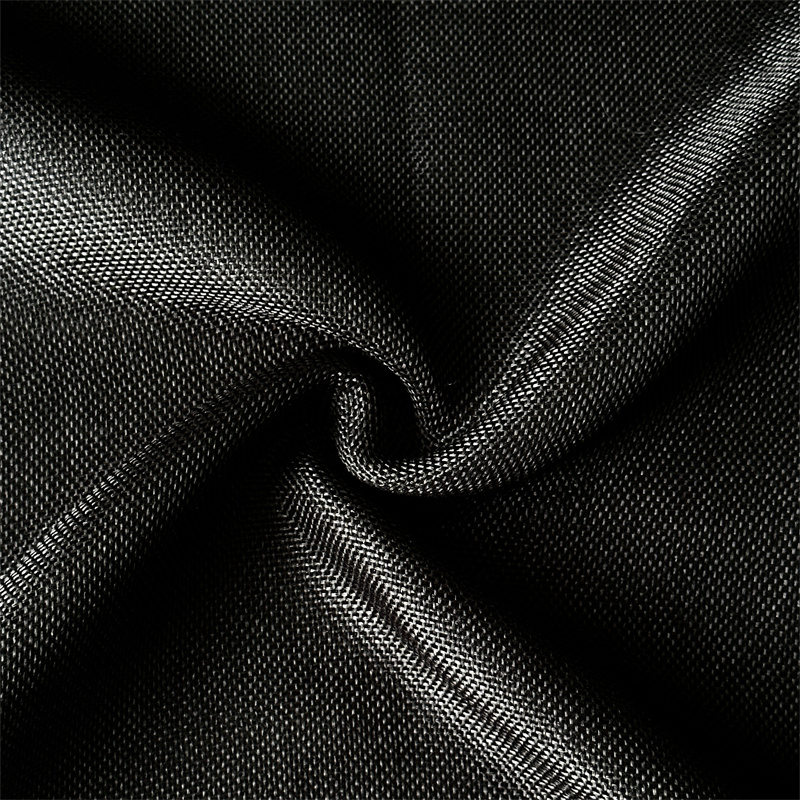
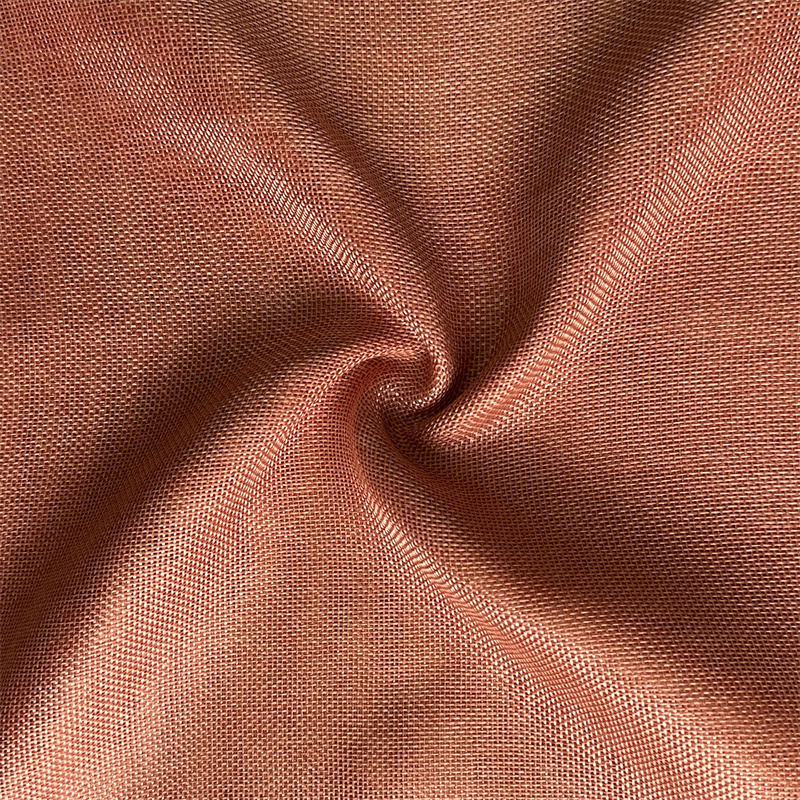
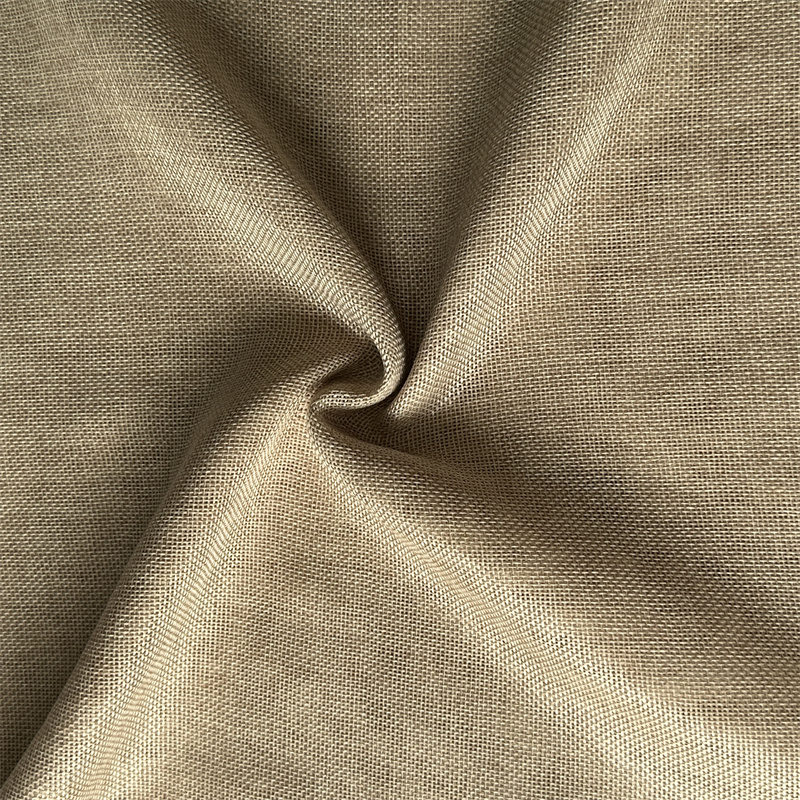
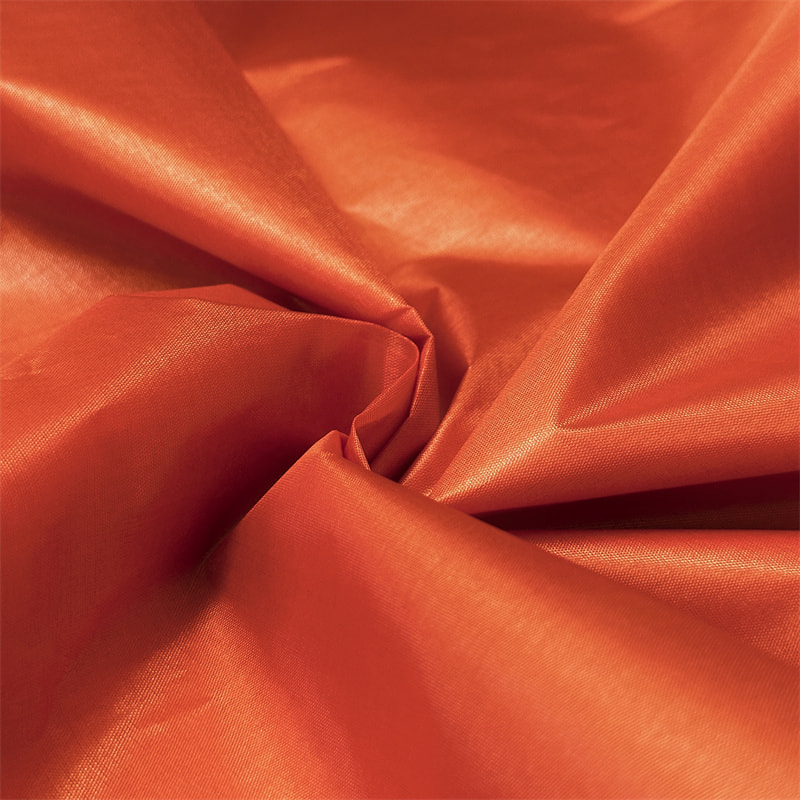
Imitation silk fabric, also known as faux silk, offers the luxurious look and smooth texture of natural silk at a more affordable price. Made from synthetic fibers such as polyester or rayon, it mimics the sheen, drape, and softness of real silk while being more durable and easier to care for. This fabric has become a popular choice for both fashion and home decor due to its versatility, cost-effectiveness, and range of colors and patterns.
Understanding the best uses of imitation silk fabric can help designers, decorators, and consumers make informed choices when creating elegant clothing or stylish interiors without compromising on aesthetics or functionality.
Imitation Silk Fabric in Clothing
Imitation silk fabric is widely used in fashion for garments that require a luxurious look without the high maintenance of natural silk. Its versatility makes it suitable for various types of clothing, from formal wear to casual attire.
Dresses and Gowns
- Faux silk is ideal for evening gowns, cocktail dresses, and prom dresses due to its smooth drape and elegant shine.
- The fabric's durability allows for multiple uses and easy care, unlike natural silk which can stain or wrinkle easily.
Blouses and Shirts
- Imitation silk provides a professional and polished look for office wear.
- It can be dyed in vibrant colors or patterns, offering more design options than natural silk.
Scarves and Accessories
- The lightweight and soft texture of imitation silk makes it perfect for scarves, neckties, and pocket squares.
- It retains vibrant colors and patterns, providing long-lasting aesthetic appeal.
Imitation Silk Fabric in Home Decor
Imitation silk is not only for clothing but also widely used in home interiors. Its luxurious sheen, versatility, and cost-effectiveness make it a preferred fabric for various decorative applications.
Curtains and Draperies
- Faux silk curtains provide an elegant look that mimics the richness of silk while being more affordable and easier to maintain.
- The fabric’s light-reflecting properties create a soft, warm ambiance in living spaces.
Upholstery and Cushions
- Imitation silk can be used for accent cushions, throw pillows, and upholstered furniture to add a touch of sophistication.
- Its resistance to fading and stains makes it practical for both decorative and functional purposes.
Table Linens and Bedding
- Faux silk tablecloths and runners enhance the elegance of dining setups, especially for formal occasions.
- Bedding items such as pillowcases and duvet covers made from imitation silk provide a luxurious feel without the delicate care required by natural silk.
Advantages of Using Imitation Silk Fabric
- Cost-Effective: Offers the appearance and feel of real silk at a fraction of the price.
- Durable: Resistant to wrinkles, stains, and fading, making it ideal for everyday use.
- Easy Care: Can often be machine washed or dry cleaned, unlike delicate natural silk.
- Versatile: Suitable for fashion, accessories, and a wide range of home decor applications.
- Wide Range of Designs: Can be produced in various colors, patterns, and textures.
Tips for Working with Imitation Silk Fabric
- Use sharp scissors or rotary cutters to prevent fraying edges.
- Choose fine needles and adjust sewing machine tension for smooth stitching.
- Prewash or steam the fabric to avoid shrinkage and remove manufacturing finishes.
- Store folded or rolled to prevent creases and maintain the fabric’s sheen.
Conclusion
Imitation silk fabric offers a versatile, cost-effective, and visually appealing alternative to natural silk, suitable for both clothing and home decor. From elegant dresses and blouses to luxurious curtains, cushions, and bedding, its durability, ease of care, and aesthetic versatility make it a popular choice for designers and consumers alike. Understanding its best applications ensures that you can maximize the fabric's potential while enjoying its luxurious feel and sophisticated appearance without the high costs or delicate care associated with natural silk.