

 中文简体
 Español
Content
- 1 What Is Egyptian Cotton Fabric?
- 2 Why Fibre Length Changes How Fabric Feels
- 3 From Field to Finished Fabric
- 4 Egyptian Cotton Compared with Common Alternatives
- 5 Where Egyptian Cotton Fabric Works Best
- 6 How to Judge Genuine Quality
- 7 Caring for Egyptian Cotton Fabric
- 8 Cost, Supply and Practical Alternatives
- 9 Two Ways to Match the Look
- 10 Choosing Well Comes Down to Fit
- 11 Frequently Asked Questions
Egyptian cotton fabric has a reputation that arrives before the cloth itself. Hotels put it on their pillow slips, shirtmakers charge a premium for it, and buyers everywhere ask why it feels different from ordinary cotton. After years of weaving and sourcing fabric, we still find it worth slowing down to explain, because much of what makes it special is also what makes it easy to misrepresent.
Below is a practical guide to what Egyptian cotton actually is, how the fibre becomes fabric, where it works best, and how sourcing teams can separate genuine quality from clever labelling. We will also share what we do when a customer loves the look of cotton but needs a different performance or price profile.
What Is Egyptian Cotton Fabric?
Egyptian cotton is cotton from Gossypium barbadense, a species grown in the Nile Delta and a handful of other warm, irrigated regions. It is classified as an extra-long staple (ELS) fibre, with fibres commonly reaching 32 to 44 millimetres, compared with roughly 22 to 28 millimetres for ordinary upland cotton.
The country of origin is only part of the story. Egypt cultivates several registered varieties, including Giza 86, Giza 92, Giza 95 and Giza 90, each with its own fibre profile. Not every bale grown in Egypt is extra-long staple, and not every fabric labelled “Egyptian cotton” contains a high proportion of it. That gap between the label and the bale is where most buyer confusion begins.
Why Fibre Length Changes How Fabric Feels
Long fibres need fewer twists to hold a yarn together. That single fact explains most of the qualities people associate with Egyptian cotton. A yarn made from long fibres has fewer protruding ends, so the surface feels smoother and generates less lint. It can be spun finer without breaking, which allows lighter, more breathable fabrics at a given strength level.
Longer fibres also shed less during washing, so the fabric pills more slowly and keeps its hand for longer. Because less twist is required for strength, the yarn stays soft rather than wiry. The trade-off is that very low-twist cotton can abrade faster in heavy-use applications, which is why Egyptian cotton shines in bedding, towels and fine apparel rather than in rugged upholstery.
From Field to Finished Fabric
The journey starts with selective picking, which keeps the fibre cleaner and reduces breakage. After ginning, the cotton is combed to remove short fibres and impurities; combing is one of the clearest quality signals in the spinning process. The resulting sliver is spun into yarn, usually on ring or compact spinning frames, then woven into percale, sateen or dobby structures.
Finishing does a great deal of the visible work. Mercerisation, an alkaline treatment under tension, improves lustre, dye uptake and dimensional stability. Calendering can add a temporary sheen, but it does not change the fibre underneath. When evaluating a sample, look past the finish and ask about the raw material and the yarn construction.
Egyptian Cotton Compared with Common Alternatives
Buyers often ask how Egyptian cotton differs from standard cotton and from polyester-based fabrics designed to imitate natural textures. The table below summarises the practical differences that matter at the sampling stage.
| Property | Egyptian Cotton (ELS) | Upland Cotton | Polyester Faux Linen |
|---|---|---|---|
| Typical fibre length | 32–44 mm | 22–28 mm | Engineered staple or filament |
| Hand feel | Soft, smooth, dense | Dry, slightly rougher | Dry, linen-like slub |
| Moisture behaviour | Absorbs well, dries slowly | Absorbs well, dries slowly | Wicks, dries quickly |
| Wrinkle resistance | Low to moderate | Low | Moderate to high |
| Typical use | Bedding, towels, shirting | Everyday apparel, home textiles | Apparel, home décor, contract textiles |
Where Egyptian Cotton Fabric Works Best
Bedding is the natural home for Egyptian cotton. Percale weaves give a crisp, cool handle, while sateen weaves produce a smoother drape. Both benefit from the fibre's fineness and strength, and both reward buyers who specify single-ply yarns rather than plied yarns used to inflate a thread count.
Towels made from long-staple cotton absorb well and stay soft through repeated laundering. In apparel, Egyptian cotton appears in fine shirting, dresses, robes and babywear, where a smooth surface against the skin is the priority. Hospitality and healthcare buyers value it for the same reasons, though they usually balance it against laundry durability and replacement cost.
How to Judge Genuine Quality
There is no single test that proves a fabric is what the label claims. A combination of checks gives a more reliable picture:
- Ask for the fibre composition and the cotton variety, not just the country of origin.
- Request certification documents where they exist, and verify the issuing body rather than relying on a hangtag alone.
- Check whether the yarn is single-ply; multi-ply yarns can push thread count figures up without improving quality.
- Feel the fabric after washing, not only in the sample room, because finishes can mask the underlying hand.
- Compare price against the stated specification; unusually cheap ELS cotton usually means a blend or a short-staple substitute.
Caring for Egyptian Cotton Fabric
Long-staple cotton is durable, but it still benefits from sensible laundry habits. We usually recommend the following routine for bedding and apparel:
- Machine wash warm at around 40°C with a mild, non-biological detergent.
- Avoid chlorine bleach; use oxygen-based stain removers when necessary.
- Tumble dry on low and remove the item while slightly damp.
- Iron while damp on a medium setting, or steam lightly to relax the weave.
- Store folded in a dry place, away from direct sunlight, to protect colour and fibre strength.
Cost, Supply and Practical Alternatives
Egyptian cotton is a premium agricultural product, and its price moves with harvest yields, currency and export policy. Lead times can stretch when a specific Giza variety is scarce. For many product teams, the honest question is not whether Egyptian cotton is good, but whether it is the right fibre for a given price point and care profile.
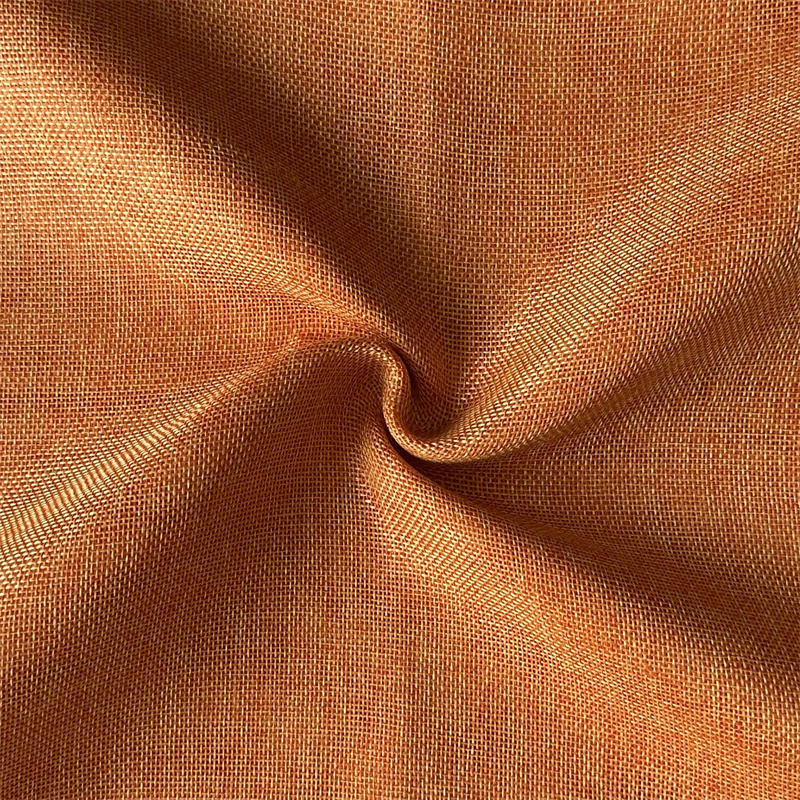
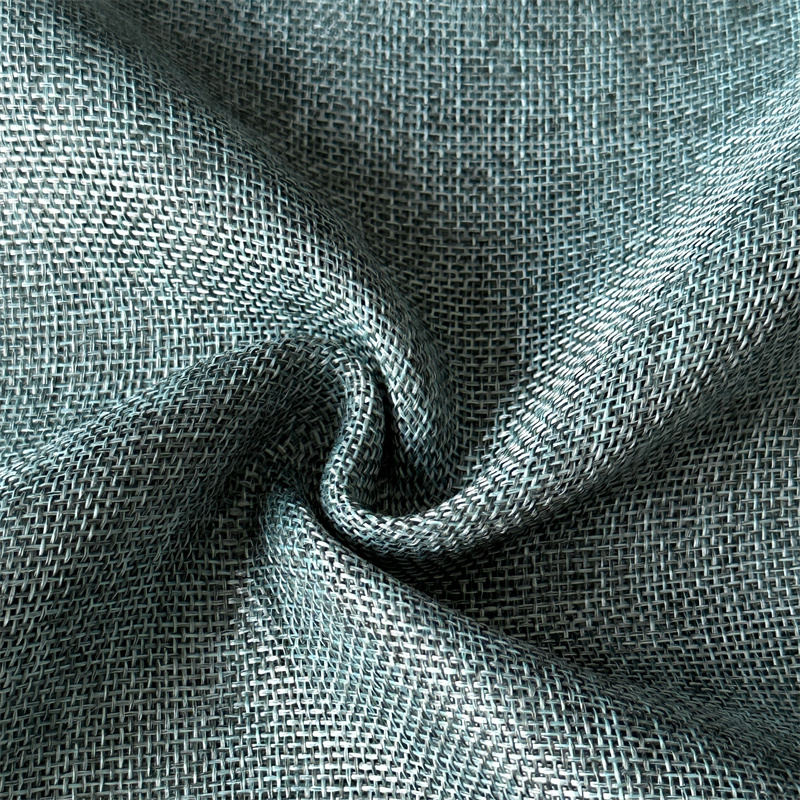
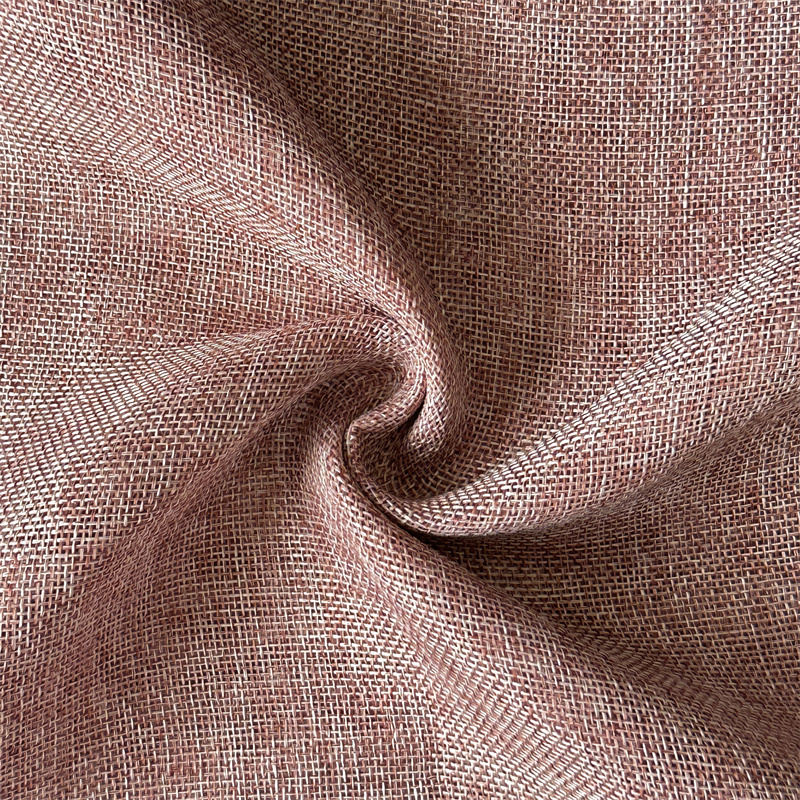
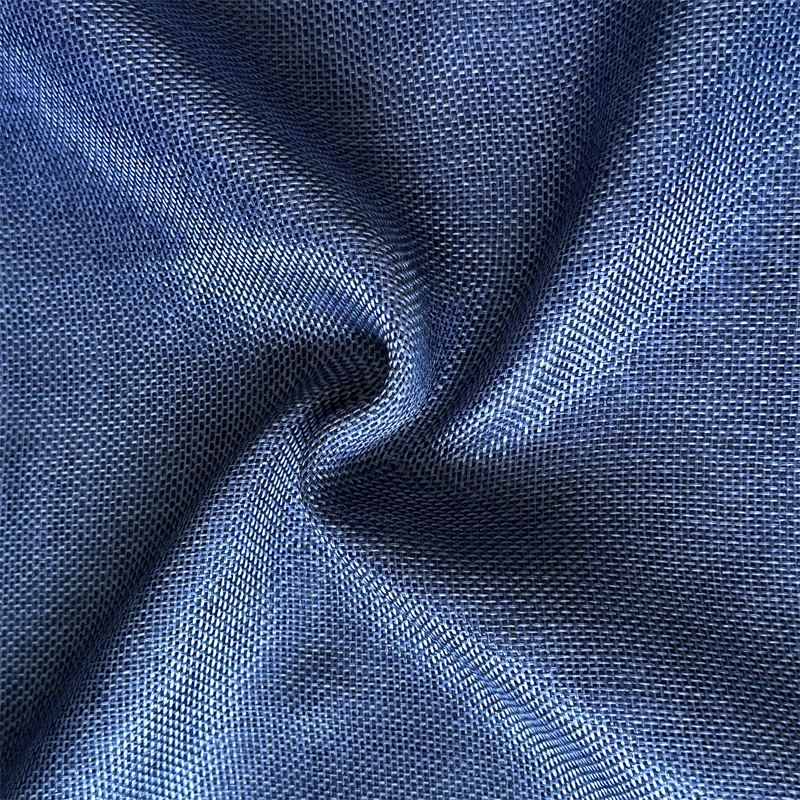
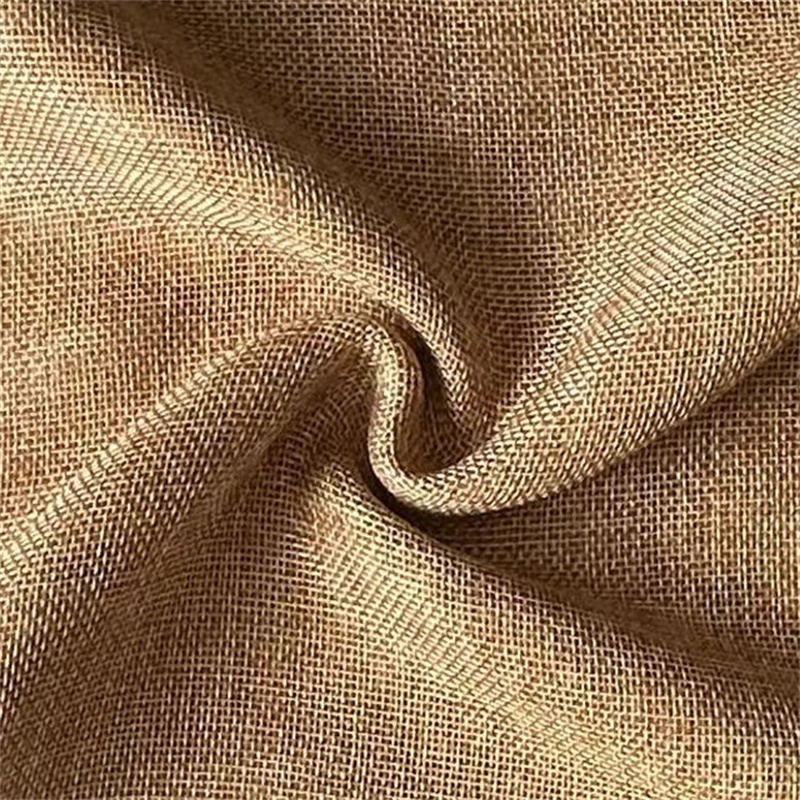
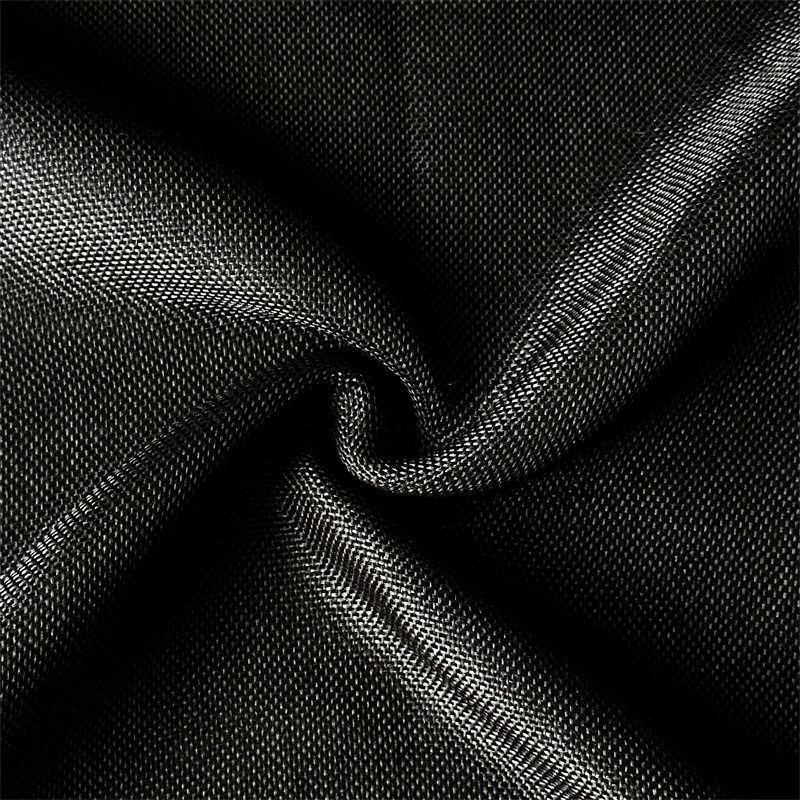
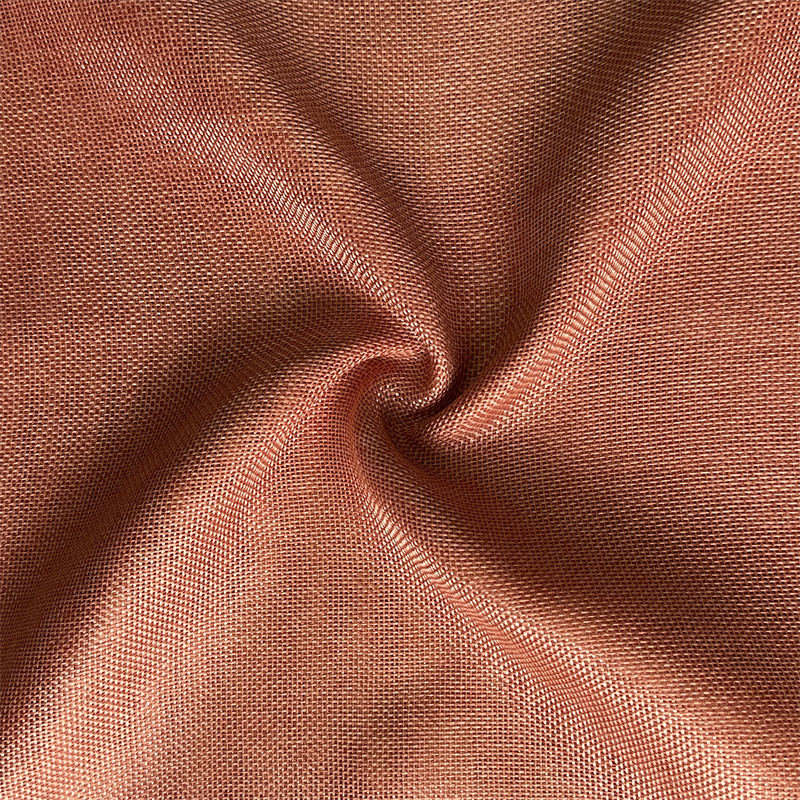
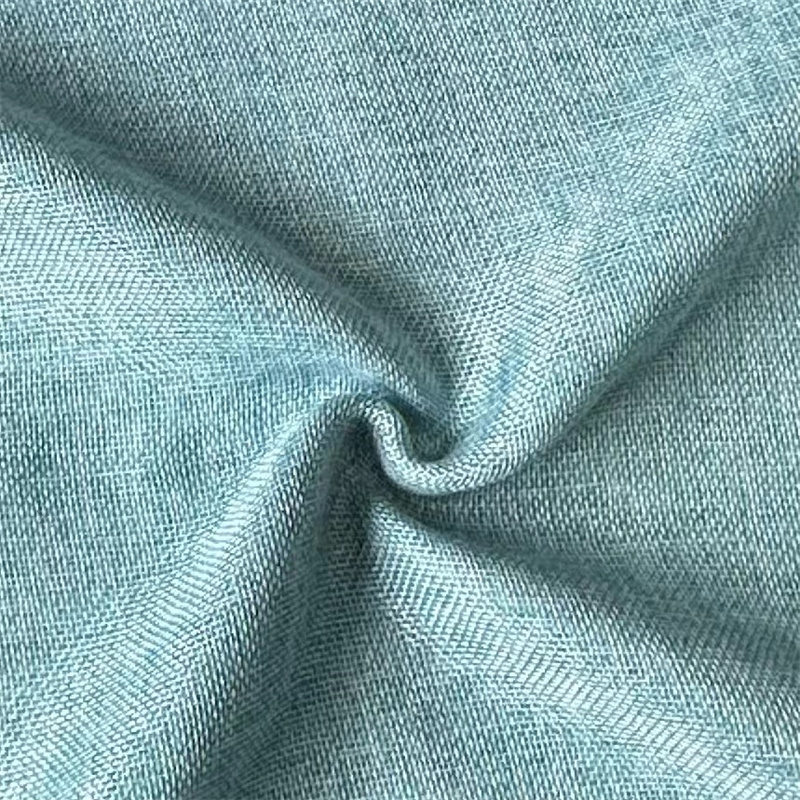
This is where our own experience is useful. We weave polyester-based fabrics in Tongxiang, Zhejiang, and we do not grow or sell Egyptian cotton. When a customer wants the dry, textured look of linen or the smooth drape of cotton at a different cost and with easier care, we point them to our faux linen range instead of pretending we can match ELS cotton fibre for fibre.
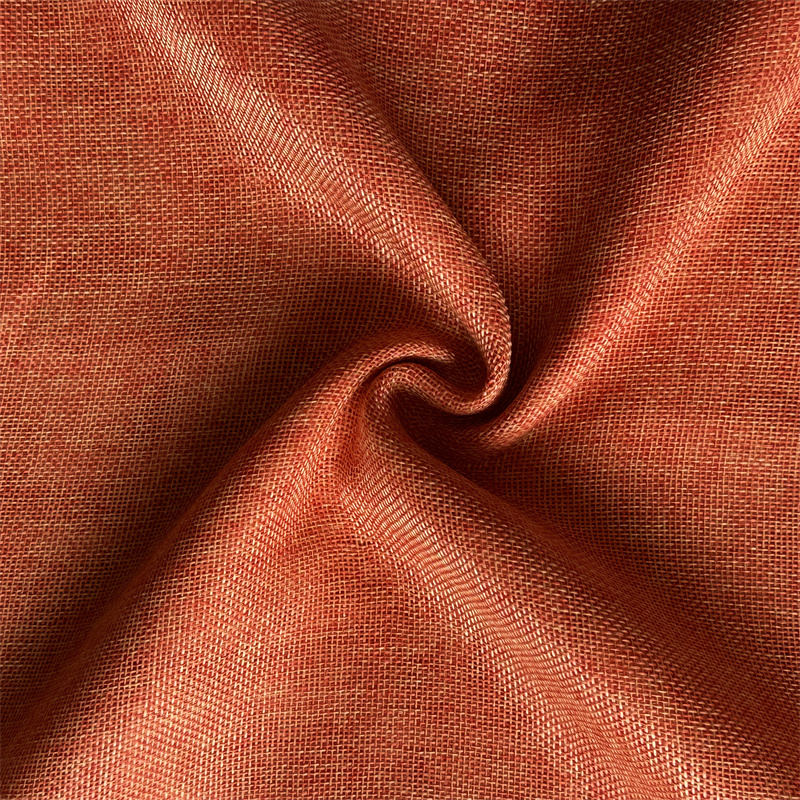 Polyester Linen Fabric Faux-Linen RangeExplore faux-linen polyester fabrics in the 1200C series, positioned for buyers comparing linen look and easier care with natural linen.View Product →
For buyers weighing natural linen against a synthetic alternative, this comparison of plaid polyester linen and natural linen covers the practical differences in shrinkage, creasing and colour retention.
Two Ways to Match the Look
Plain, solid-colour constructions are the most versatile starting point. A 125 gsm faux linen in a solid shade works well for shirtings, dresses and lightweight home textiles where a clean surface and a dry touch are wanted.
1200C 125gsm Polyester Faux Linen FabricLightweight 125gsm faux linen in solid shades for shirtings, dresses and light home textiles, offering a linen-like look with polyester care.View Product →
When a design calls for pattern, a houndstooth plaid adds visual structure without changing the base cloth's performance. It suits jackets, skirts, cushions and other pieces where a graphic, woven look is part of the concept.
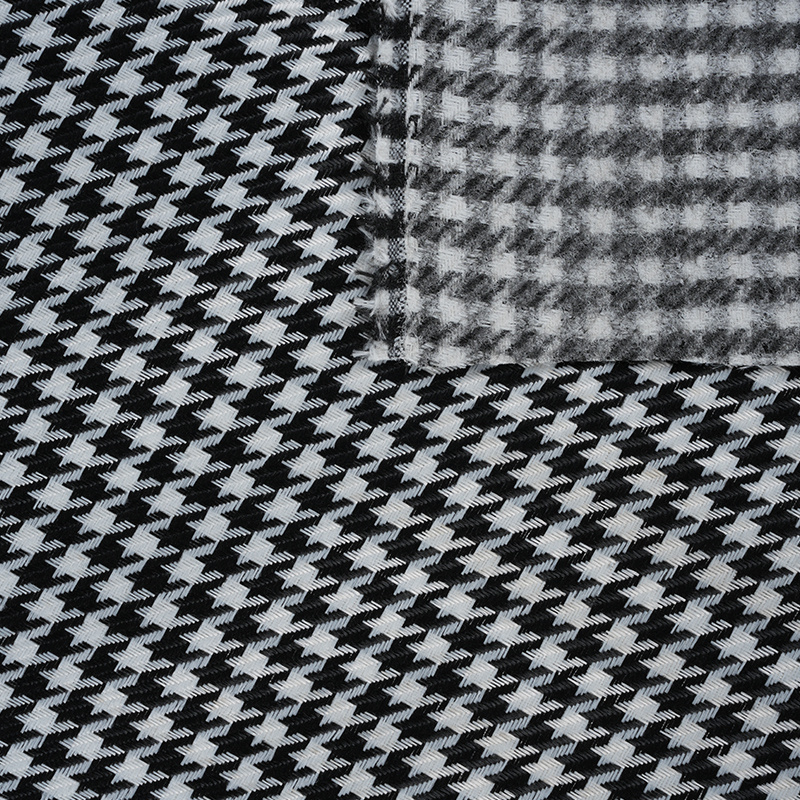 Houndstooth Plaid Polyester Linen FabricWoven houndstooth plaid combining polyester durability with linen texture for jackets, skirts, cushions and other graphic patterned pieces.View Product →
Choosing Well Comes Down to Fit
Egyptian cotton earns its premium when softness, breathability and long-term hand feel are the deciding factors. It is less compelling when the brief demands easy-care performance, quick drying or a tight budget. A good sourcing decision starts with the end use, then works backwards through fibre, yarn, weave and finish.
If you are comparing options for an upcoming collection, send us the target weight, handle and care requirements. We will tell you honestly whether a cotton construction or one of our polyester-based fabrics is the better fit, and we will sample accordingly.
Frequently Asked Questions
Is a higher thread count always better?
No. Thread count only means something when the yarn count and ply are stated. A 300 to 400 thread count single-ply Egyptian cotton fabric often outperforms a much higher figure built from multi-ply yarns.
Does Egyptian cotton shrink?
Woven cotton can shrink by a few percent on the first wash unless it has been pre-shrunk or sanforised. Always confirm the finishing route with the mill before cutting.
Can Egyptian cotton be blended?
Yes. Blends with polyester or other fibres are common and can improve durability or wrinkle resistance, but the Egyptian cotton content should be declared clearly and reflected in the price.